한국어 · English
Learn Korean with short stories
Read Korean books with English alongside, or English books with Korean alongside: the original and the translation side by side, paragraph by paragraph.
Free Korean–English stories and ebooks
Stories to read in Korean, with the English beside each paragraph. They open in the browser, with no account needed, and each one is also a free Korean–English ebook for Kindle, Kobo or any e-reader: downloading needs a free account, no payment (which file to pick).
By level:
- Easy Korean short stories with English translation (A1–A2) · 22 stories
- Intermediate Korean short stories, side by side with English (B1–B2) · 7 stories
고양이 목에 방울 달기
Aesop · Korean · 5 min
- A1
브루노와 목욕
처음 읽는 이야기 · 제2편 · Korean · 5 min
DuoText original - A2
귀를 기울이는 집
일상 이야기 · 제13편 · Korean · 10 min
DuoText original - A2

호수 속의 빛
일상 이야기 · 제15편 · Korean · 10 min
DuoText original - A1
빨간 자전거
처음 읽는 이야기 · 제5편 · Korean · 5 min
DuoText original - A1
새 친구
처음 읽는 이야기 · 제9편 · Korean · 5 min
DuoText original - A2

새로운 동료
일상 이야기 · 제12편 · Korean · 10 min
DuoText original - A1
앞니가 흔들흔들
처음 읽는 이야기 · 제8편 · Korean · 5 min
DuoText original - A2
세 번째 고양이
일상 이야기 · 제16편 · Korean · 10 min
DuoText original - A2

내가 한 번도 하지 않은 질문
일상 이야기 · 제11편 · Korean · 10 min
DuoText original - A1
작은 오리
처음 읽는 이야기 · 제10편 · Korean · 5 min
DuoText original - A1
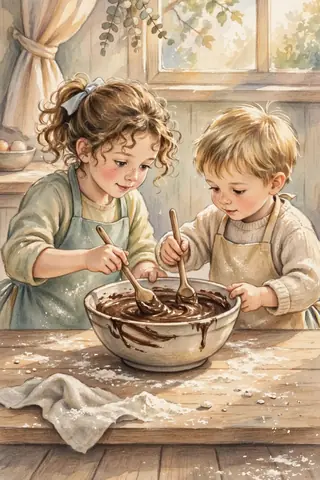
엄마의 생일 케이크
처음 읽는 이야기 · 제4편 · Korean · 5 min
DuoText original - A1
엄마의 생일 케이크
처음 읽는 이야기 · 제4편 · Korean with Spanish · 5 min
DuoText original - A1

할머니의 눈사람
처음 읽는 이야기 · 제6편 · Korean · 5 min
DuoText original - A1
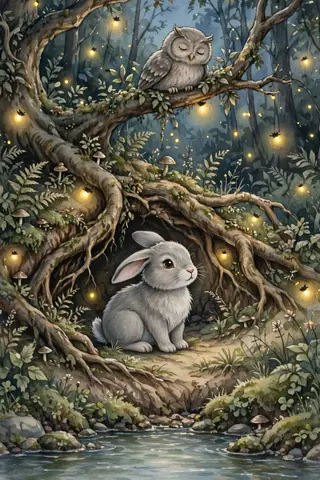
호펠은 잠을 못 자요
처음 읽는 이야기 · 제7편 · Korean · 5 min
DuoText original 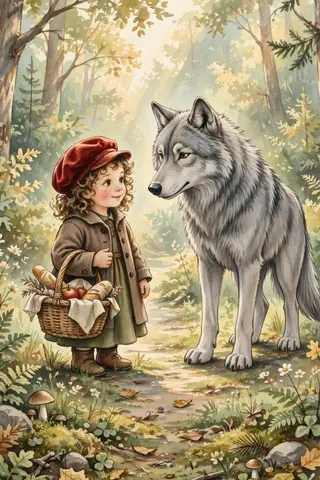
빨간 모자
Brothers Grimm · Korean · 5 min
- B1

요나스를 위한 것이 아니다
일상 이야기 · 제10편 · Korean · 15 min
DuoText original - B1

아직은 아니다
일상 이야기 · 제6편 · Korean · 15 min
DuoText original - A2

계단실의 쪽지
일상 이야기 · 제4편 · Korean · 15 min
DuoText original - A1
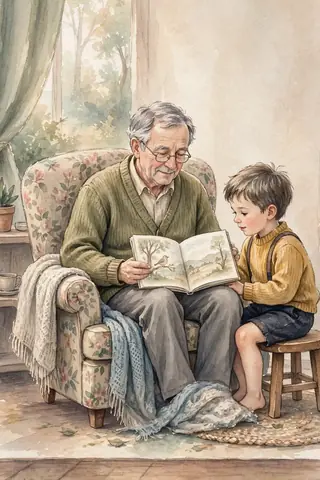
할아버지와 안경
처음 읽는 이야기 · 제3편 · Korean · 5 min
DuoText original - A2

47쪽
일상 이야기 · 제1편 · Korean · 10 min
DuoText original - B1

13호실
일상 이야기 · 제7편 · Korean · 10 min
DuoText original 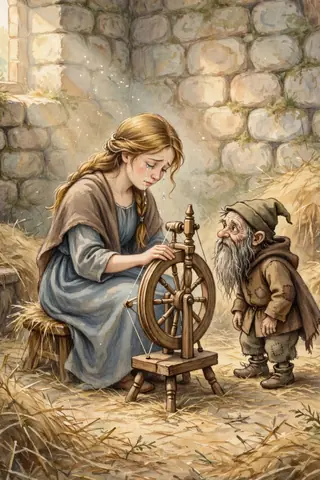
룸펠슈틸츠헨
Brothers Grimm · Korean · 5 min
- A2

8시 15분의 개
일상 이야기 · 제5편 · Korean · 15 min
DuoText original 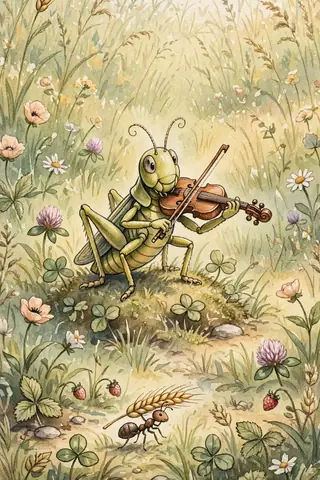
개미와 베짱이
Aesop · Korean · 5 min
KO
양치기 소년
Aesop
양치기 소년
Aesop · Korean · 5 min

까마귀와 물병
Aesop · Korean · 5 min
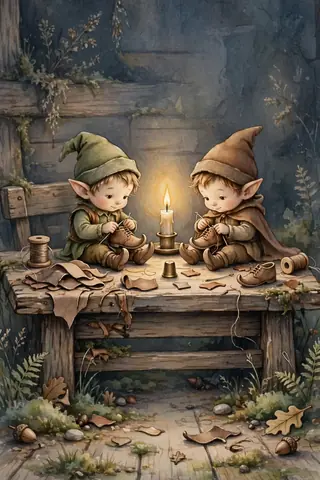
구두장이와 요정들
Brothers Grimm · Korean · 5 min
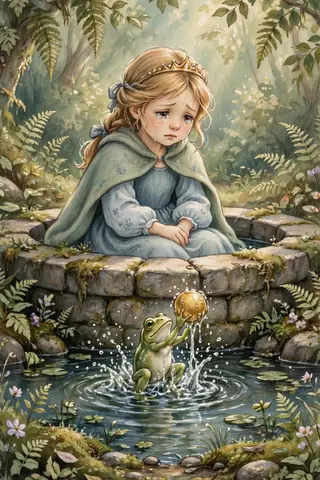
개구리 왕자
Brothers Grimm · Korean · 5 min
- A2

초록색 문
일상 이야기 · 제2편 · Korean · 15 min
DuoText original - A2

회색 가방
일상 이야기 · 제3편 · Korean · 20 min
DuoText original 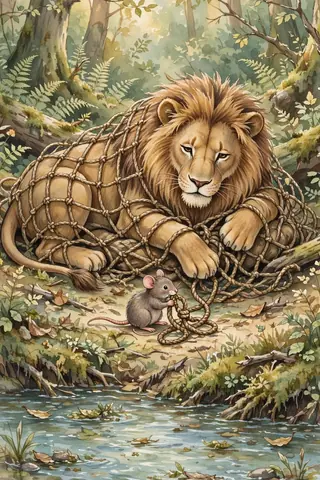
사자와 생쥐
Aesop · Korean · 5 min
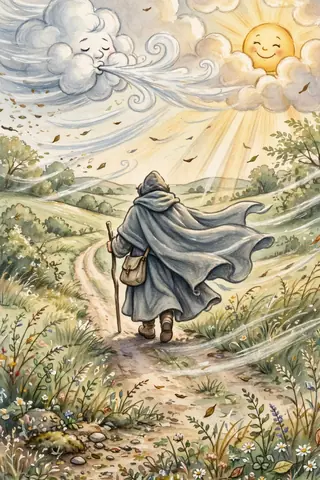
북풍과 태양
Aesop · Korean · 5 min
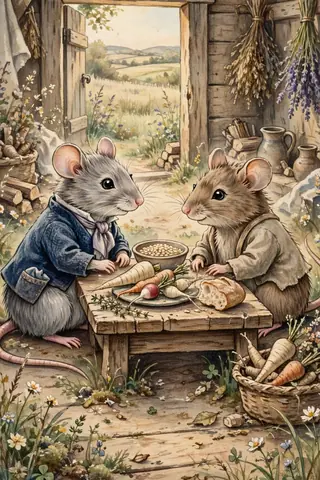
시골 쥐와 서울 쥐
Aesop · Korean · 5 min
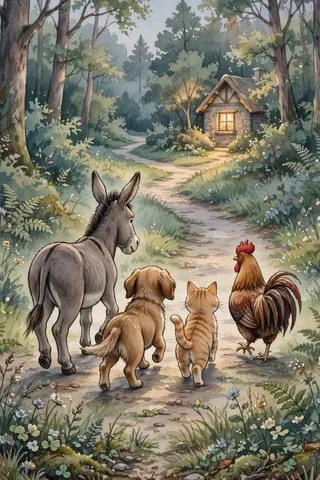
브레멘 음악대
Brothers Grimm · Korean · 5 min
양의 탈을 쓴 늑대
Aesop · Korean · 5 min
- B1

조석의 인내
일상 이야기 · 제8편 · Korean · 15 min
DuoText original - B1

내일의 메시지
일상 이야기 · 제9편 · Korean with German · 15 min
DuoText original - B1
내일의 메시지
일상 이야기 · 제9편 · Korean · 15 min
DuoText original - B1
내일의 메시지
일상 이야기 · 제9편 · Korean with Spanish · 15 min
DuoText original - A1

미미는 어디 있어요?
처음 읽는 이야기 · 제1편 · Korean · 5 min
DuoText original - A2

2분 전
일상 이야기 · 제14편 · Korean · 10 min
DuoText original
Free graded readers in Korean
Every story here carries its level on the Common European Framework, from A1 for beginners to C1 and beyond, so the library works as a set of free Korean graded readers: start at the level where you understand most of a page, and move up when the English beside it is something you check only now and then.
Want a book that isn’t here? Make your own Korean–English parallel text from any EPUB or PDF: free preview, and 50 free pages when you sign up.
Reading Korean with English alongside
Korean is more approachable on the page than many people expect. Hangul was designed to be learned quickly, each syllable block spells out its sounds, and once the alphabet is familiar you can sound out every word you meet, even before you know what it means.
What slows readers down is everything the alphabet cannot tell you: verbs that come at the end, particles that mark who does what, and endings that change with politeness and mood. With the English beside each paragraph, you can follow the story while those patterns become familiar.
Reading English books with Korean alongside
For Korean speakers, a parallel text is a way into English books without stopping at every idiom or phrasal verb. Read the English and look across to the Korean when a sentence doesn't land.
It suits bilingual families too: one book, two languages on the same page, so parents and children can each follow the side they read most comfortably.
Where a parallel text helps most in Korean
The verb at the end
Korean puts the verb last, often after a long run of descriptive clauses, so the meaning of a sentence arrives only at its final word. The paired translation shows where the sentence is heading from the start.
Particles and endings
Small particles like 은/는 and 이/가 mark the topic and the subject, and verb endings carry tense, politeness and tone. Seeing them next to their English helps you notice what each one adds.
Words left unsaid
Korean often drops the subject and object when context makes them clear. The translation beside each paragraph fills in who is speaking and who is meant, so you never lose the thread.
Korean classics to read in parallel
Long out of copyright and easy to find as EPUBs. Any of them makes a good first Korean–English parallel text:
- 운수 좋은 날, Hyun Jin-geon
- 메밀꽃 필 무렵, Lee Hyo-seok
- 동백꽃, Kim Yu-jeong
- 감자, Kim Dong-in
Or use a book you already own: the method works best with something you actually want to read. See how to read a parallel text to get the most from it.