日本語 · English
Learn Japanese with short stories
Read Japanese books with English alongside, or English books with Japanese alongside: the original and the translation side by side, paragraph by paragraph.
Free Japanese–English stories and ebooks
Stories to read in Japanese, with the English beside each paragraph. They open in the browser, with no account needed, and each one is also a free Japanese–English ebook for Kindle, Kobo or any e-reader: downloading needs a free account, no payment (which file to pick).
By level:
- Easy Japanese short stories with English translation (A1–A2) · 21 stories
- Intermediate Japanese short stories, side by side with English (B1–B2) · 5 stories
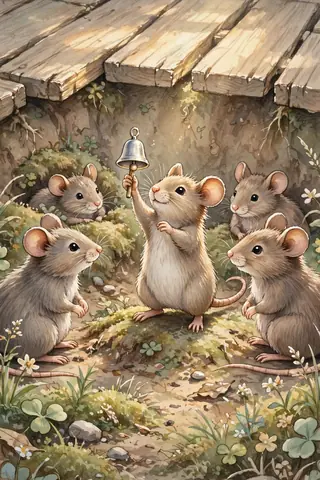
猫の首に鈴を
Aesop · Japanese · 5 min
- A1
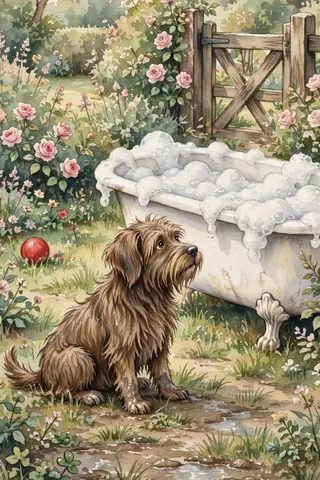
ブルーノとおふろ
はじめてのおはなし · 第2話 · Japanese · 5 min
DuoText original - A2
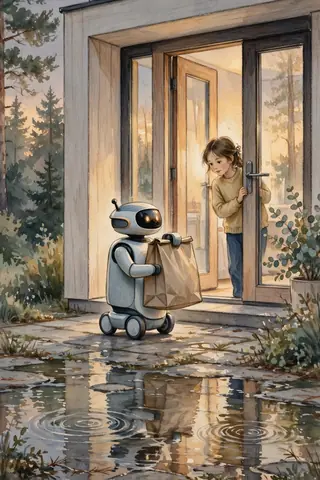
耳をすます家
日々の物語 · 第13話 · Japanese · 5 min
DuoText original - A2

湖の光
日々の物語 · 第15話 · Japanese · 5 min
DuoText original - A1

あかいじてんしゃ
はじめてのおはなし · 第5話 · Japanese · 5 min
DuoText original - A1
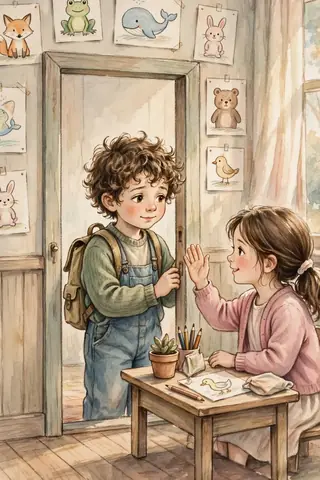
新しい男の子
はじめてのおはなし · 第9話 · Japanese · 5 min
DuoText original - A2

新しい同僚
日々の物語 · 第12話 · Japanese · 5 min
DuoText original - A1
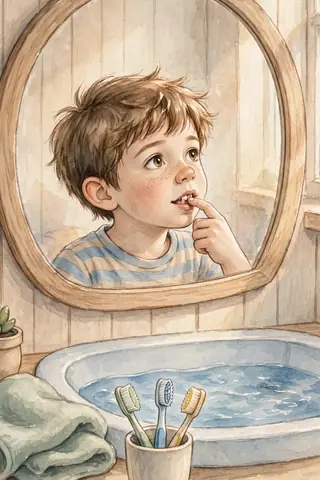
ぐらぐらのまえば
はじめてのおはなし · 第8話 · Japanese · 5 min
DuoText original - A2
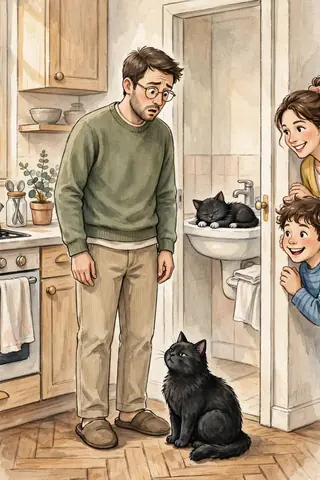
3匹目の猫
日々の物語 · 第16話 · Japanese · 5 min
DuoText original - A2

私が一度も聞かなかった質問
日々の物語 · 第11話 · Japanese · 5 min
DuoText original - A1

小さいあひる
はじめてのおはなし · 第10話 · Japanese · 5 min
DuoText original - A1

ママのケーキ
はじめてのおはなし · 第4話 · Japanese · 5 min
DuoText original - A1

おばあちゃんのゆきだるま
はじめてのおはなし · 第6話 · Japanese · 5 min
DuoText original - A1

ホッペルはまだねません
はじめてのおはなし · 第7話 · Japanese · 5 min
DuoText original 
赤ずきん
Brothers Grimm · Japanese · 5 min
- B1

ヨナスにはまだ
日々の物語 · 第10話 · Japanese · 5 min
DuoText original - B1

まだ
日々の物語 · 第6話 · Japanese · 5 min
DuoText original - A2

階段のメモ
日々の物語 · 第4話 · Japanese · 5 min
DuoText original - A1
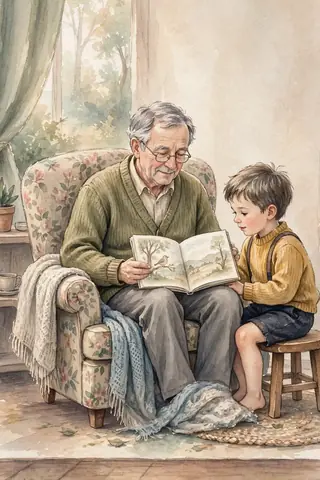
おじいちゃんとめがね
はじめてのおはなし · 第3話 · Japanese · 5 min
DuoText original - A2

47ページ
日々の物語 · 第1話 · Japanese · 5 min
DuoText original - B1

13号室
日々の物語 · 第7話 · Japanese · 5 min
DuoText original 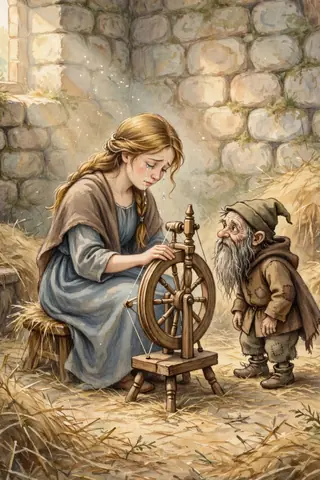
ルンペルシュティルツヒェン
Brothers Grimm · Japanese · 5 min
- A2

8時15分の犬
日々の物語 · 第5話 · Japanese · 5 min
DuoText original 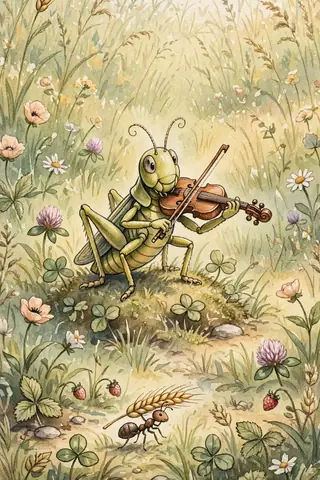
アリとキリギリス
Aesop · Japanese · 5 min
JA
嘘つきの少年と狼
Aesop
嘘つきの少年と狼
Aesop · Japanese · 5 min
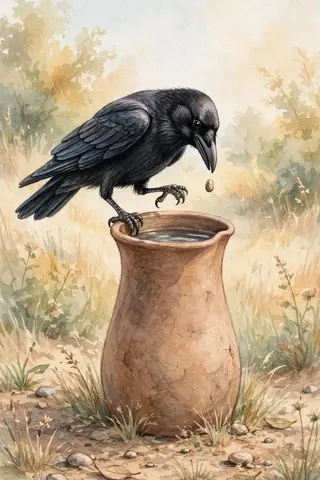
カラスと水差し
Aesop · Japanese · 5 min
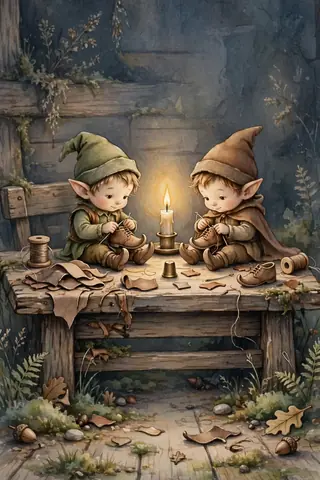
小人の靴屋
Brothers Grimm · Japanese · 5 min

カエルの王子様
Brothers Grimm · Japanese · 5 min
- A2

緑の扉
日々の物語 · 第2話 · Japanese · 5 min
DuoText original - A2

グレーのスーツケース
日々の物語 · 第3話 · Japanese · 5 min
DuoText original 
ライオンとネズミ
Aesop · Japanese · 5 min

北風と太陽
Aesop · Japanese · 5 min
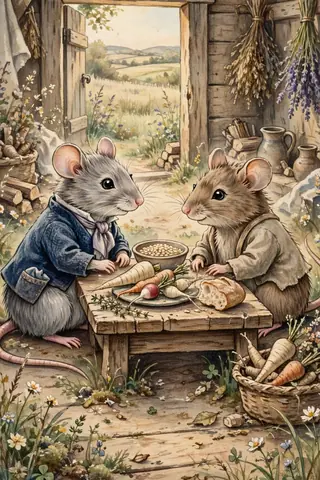
都会のネズミと田舎のネズミ
Aesop · Japanese · 5 min
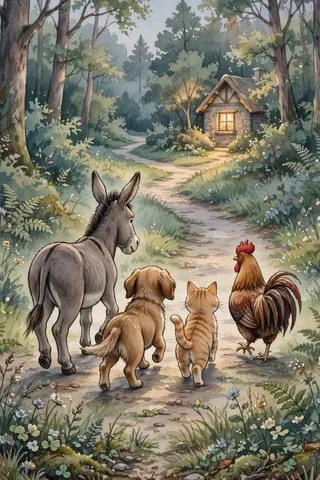
ブレーメンの音楽隊
Brothers Grimm · Japanese · 5 min

羊の皮をかぶった狼
Aesop · Japanese · 5 min
- B1

潮の忍耐
日々の物語 · 第8話 · Japanese · 5 min
DuoText original - B1

明日のメッセージ
日々の物語 · 第9話 · Japanese · 5 min
DuoText original - A1

ミミはどこですか
はじめてのおはなし · 第1話 · Japanese · 5 min
DuoText original - A2

二分前
日々の物語 · 第14話 · Japanese · 5 min
DuoText original
Free graded readers in Japanese
Every story here carries its level on the Common European Framework, from A1 for beginners to C1 and beyond, so the library works as a set of free Japanese graded readers: start at the level where you understand most of a page, and move up when the English beside it is something you check only now and then.
Want a book that isn’t here? Make your own Japanese–English parallel text from any EPUB or PDF: free preview, and 50 free pages when you sign up.
Reading Japanese with English alongside
Japanese asks more of a reader than most languages. Three scripts share the page, hiragana, katakana and kanji, and words run on without spaces, so even a simple sentence can take a while to take apart.
Once the scripts are familiar, the grammar is the next hurdle: the verb comes at the end of the sentence, small particles mark the roles that word order carries in English, and subjects are often left out entirely. With the English next to each paragraph, you can check who did what without stopping to parse every line twice.
Reading English books with Japanese alongside
For Japanese speakers, a parallel text is a way into books in English without reaching for a dictionary every few lines. Read the English and look across to the Japanese when an idiom, a phrasal verb or a long sentence doesn’t land.
It works for bilingual families too: one book, two languages on the same page, so a parent and a child can each follow in the language they read best.
Where a parallel text helps most in Japanese
Three scripts at once
A single sentence can mix kanji, hiragana and katakana, and the same kanji can be read in more than one way. With the English beside the paragraph, you know what a sentence says before you have worked out every character.
Verbs at the end
Japanese keeps the verb, and with it any negation, for the end of the sentence, so the meaning can turn at the very last word. Pairing by paragraph keeps the whole thought on screen while you read to the end.
Missing subjects
Japanese leaves out whoever is obvious from context, and politeness levels hint at who is speaking to whom. The translation beside each paragraph names the people the original leaves unsaid.
Japanese classics to read in parallel
Long out of copyright and easy to find as EPUBs. Any of them makes a good first Japanese–English parallel text:
- 坊っちゃん, Natsume Sōseki
- 羅生門, Akutagawa Ryūnosuke
- 銀河鉄道の夜, Miyazawa Kenji
- 舞姫, Mori Ōgai
Or use a book you already own: the method works best with something you actually want to read. See how to read a parallel text to get the most from it.