português · English
Learn Portuguese with short stories
Read Portuguese books with English alongside, or English books with Portuguese alongside: the original and the translation side by side, paragraph by paragraph.
Free Portuguese–English stories and ebooks
Stories to read in Portuguese, with the English beside each paragraph. They open in the browser, with no account needed, and each one is also a free Portuguese–English ebook for Kindle, Kobo or any e-reader: downloading needs a free account, no payment (which file to pick).
By level:
- Easy Portuguese short stories with English translation (A1–A2) · 21 stories
- Intermediate Portuguese short stories, side by side with English (B1–B2) · 7 stories
Colocando o Sino no Gato
Aesop · Portuguese · 5 min
- A1
Bruno e o banho
Primeiras histórias · História 2 · Portuguese · 5 min
DuoText original - A2
A casa que escuta
Histórias do dia a dia · História 13 · Portuguese · 10 min
DuoText original - A2

A Luz no Lago
Histórias do dia a dia · História 15 · Portuguese · 10 min
DuoText original - A1

A bicicleta vermelha
Primeiras histórias · História 5 · Portuguese · 5 min
DuoText original - A1
O menino novo
Primeiras histórias · História 9 · Portuguese · 5 min
DuoText original - A2

O novo colega
Histórias do dia a dia · História 12 · Portuguese · 10 min
DuoText original - A1
O dente mole
Primeiras histórias · História 8 · Portuguese · 5 min
DuoText original - A2
O terceiro gato
Histórias do dia a dia · História 16 · Portuguese · 15 min
DuoText original - A2

A pergunta que nunca fiz
Histórias do dia a dia · História 11 · Portuguese · 10 min
DuoText original - A1

O patinho
Primeiras histórias · História 10 · Portuguese · 5 min
DuoText original - A1

Um bolo para a mamãe
Primeiras histórias · História 4 · Portuguese · 5 min
DuoText original - A1

Um boneco de neve para a vovó
Primeiras histórias · História 6 · Portuguese · 10 min
DuoText original - A1

Hoppel não consegue dormir
Primeiras histórias · História 7 · Portuguese · 5 min
DuoText original 
Chapeuzinho Vermelho
Brothers Grimm · Portuguese · 5 min
- B1

Não para o Jonas
Histórias do dia a dia · História 10 · Portuguese · 20 min
DuoText original - B1

Ainda não
Histórias do dia a dia · História 6 · Portuguese · 20 min
DuoText original - A2

Bilhetes na escada
Histórias do dia a dia · História 4 · Portuguese · 20 min
DuoText original - A1
O vovô e os óculos
Primeiras histórias · História 3 · Portuguese · 5 min
DuoText original - A2

Página 47
Histórias do dia a dia · História 1 · Portuguese · 15 min
DuoText original - B1

Quarto 13
Histórias do dia a dia · História 7 · Portuguese · 15 min
DuoText original 
Rumpelstiltskin
Brothers Grimm · Portuguese · 5 min
- A2

O cachorro das 8h15
Histórias do dia a dia · História 5 · Portuguese · 25 min
DuoText original 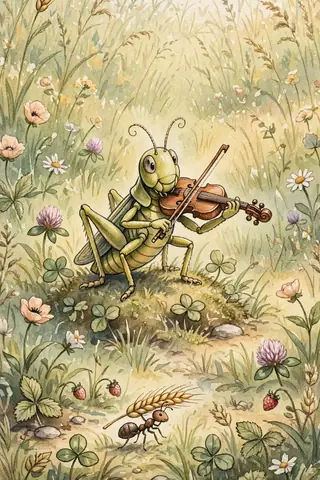
A Formiga e a Cigarra
Aesop · Portuguese · 5 min
PT
O Menino que Gritava Lobo
Aesop
O Menino que Gritava Lobo
Aesop · Portuguese · 5 min
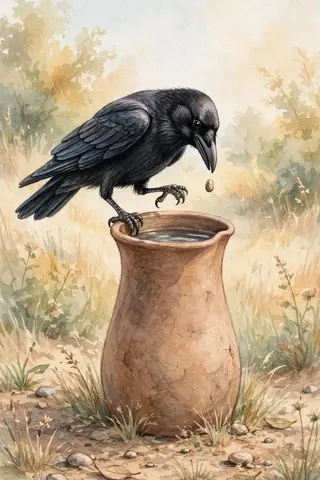
O Corvo e o Jarro
Aesop · Portuguese · 5 min
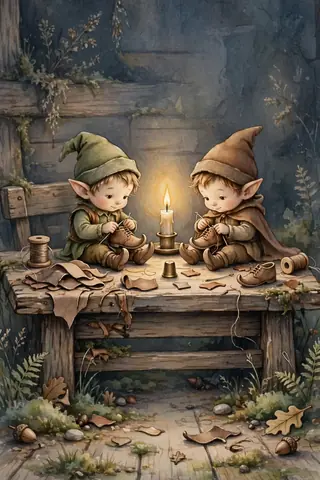
Os Elfos e o Sapateiro
Brothers Grimm · Portuguese · 5 min

O Príncipe Sapo
Brothers Grimm · Portuguese · 5 min
- A2

A porta verde
Histórias do dia a dia · História 2 · Portuguese · 20 min
DuoText original - A2

A mala cinza
Histórias do dia a dia · História 3 · Portuguese · 25 min
DuoText original 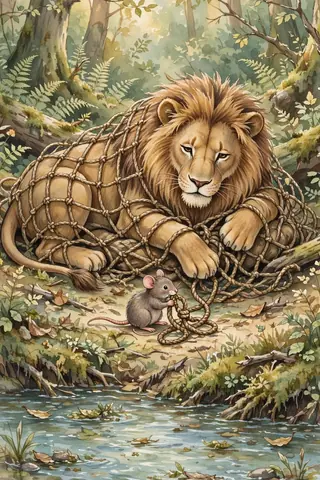
O Leão e o Rato
Aesop · Portuguese · 5 min

O Vento Norte e o Sol
Aesop · Portuguese · 5 min
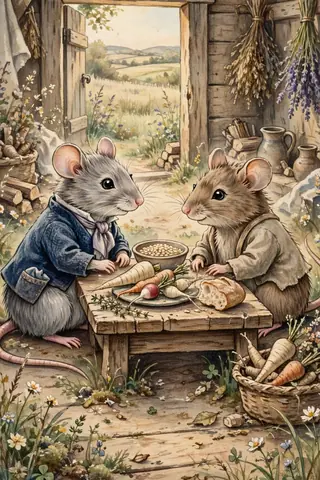
O Rato do Campo e o Rato da Cidade
Aesop · Portuguese · 5 min
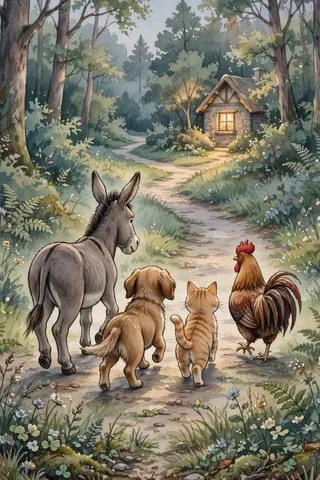
Os Músicos de Bremen
Brothers Grimm · Portuguese · 5 min
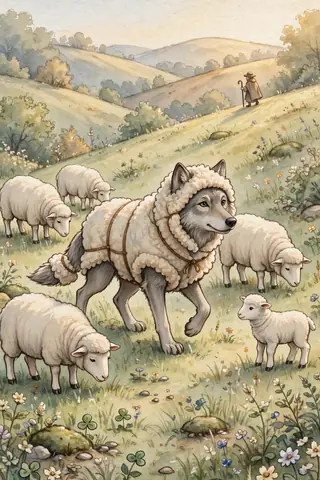
O Lobo em Pele de Cordeiro
Aesop · Portuguese · 5 min
- B1

Paciência de Maré
Histórias do dia a dia · História 8 · Portuguese · 20 min
DuoText original - B1

A mensagem de amanhã
Histórias do dia a dia · História 9 · Portuguese with German · 15 min
DuoText original - B1
A mensagem de amanhã
Histórias do dia a dia · História 9 · Portuguese · 15 min
DuoText original - B1
A mensagem de amanhã
Histórias do dia a dia · História 9 · Portuguese with Japanese · 15 min
DuoText original - A1

Onde está a Mimi?
Primeiras histórias · História 1 · Portuguese · 5 min
DuoText original - A2

Dois minutos atrás
Histórias do dia a dia · História 14 · Portuguese · 10 min
DuoText original
Free graded readers in Portuguese
Every story here carries its level on the Common European Framework, from A1 for beginners to C1 and beyond, so the library works as a set of free Portuguese graded readers: start at the level where you understand most of a page, and move up when the English beside it is something you check only now and then.
Want a book that isn’t here? Make your own Portuguese–English parallel text from any EPUB or PDF: free preview, and 50 free pages when you sign up.
Reading Portuguese with English alongside
Portuguese looks friendlier on the page than it sounds. Its nasal vowels and swallowed endings can make speech hard to follow at first, but in writing much of its vocabulary shares Latin roots with English, so many words are recognisable long before you would catch them in conversation.
What slows readers down is the grammar: a subjunctive with a future tense of its own, an infinitive that takes personal endings, and small words that merge into one another.
Reading English books with Portuguese alongside
For Portuguese speakers, a parallel text is a way into books in English without reaching for a dictionary every few lines. Read the English and look across to the Portuguese when a phrasal verb or an idiom doesn’t land.
It works for bilingual families too, whether in Brazil, Portugal or elsewhere: one book, two languages on the same page, so a parent and a child can each follow in the language they read best.
Where a parallel text helps most in Portuguese
Words that merge
Prepositions fuse with articles and pronouns: de and o become do, em and a become na, and de and ele become dele. Seeing the English beside each sentence shows what the short forms are made of.
The future subjunctive
Portuguese uses a future subjunctive in everyday sentences (quando eu tiver tempo, se você quiser), a form English has no match for. Read beside the translation, it soon stops looking strange.
False friends
Puxar means to pull, not to push; pretender means to intend, and livraria is a bookshop. The translation next to the sentence catches them before they mislead you.
Portuguese classics to read in parallel
Long out of copyright and easy to find as EPUBs. Any of them makes a good first Portuguese–English parallel text:
- Dom Casmurro, Machado de Assis
- Os Maias, Eça de Queirós
- Iracema, José de Alencar
- Os Lusíadas, Luís de Camões
Or use a book you already own: the method works best with something you actually want to read. See how to read a parallel text to get the most from it.