العربية · English
Learn Arabic with short stories
Read Arabic books with English alongside, or English books with Arabic alongside: the original and the translation side by side, paragraph by paragraph.
Free Arabic–English stories and ebooks
Stories to read in Arabic, with the English beside each paragraph. They open in the browser, with no account needed, and each free one is also a free Arabic–English ebook for Kindle, Kobo or any e-reader: downloading needs a free account, no payment (which file to pick).
Open the Arabic–English library, where you can search the stories and filter them by level.
By level:
- Beginner (A1–A2): Easy Arabic short stories for beginners, with English translation · 155 stories
- Advanced (C1–C2): Advanced Arabic stories, with the English alongside · 1 stories
 A1
غرفة لليلتين
 A2
فضيحة في بوهيميا
 3A2
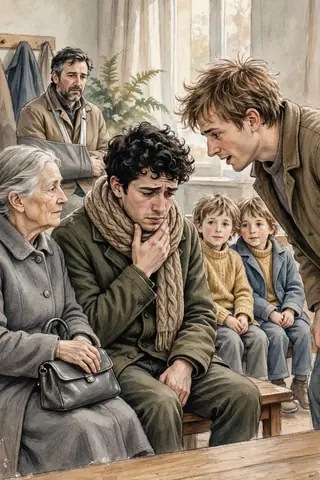
عند الطبيب
 A1
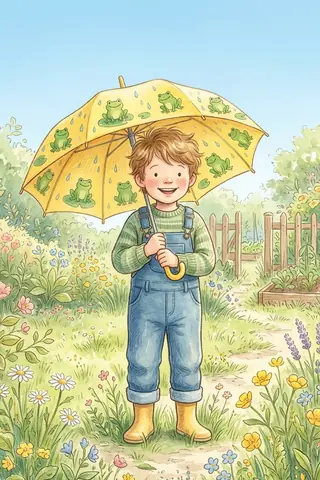
بن والمظلة الصفراء
 A1
برم يركب القطار
 A1
برونو والحمام
 A1
برونو والنقانق
 A2
البيت الذي يستمع
 A2
الضوء في البحيرة
 A2
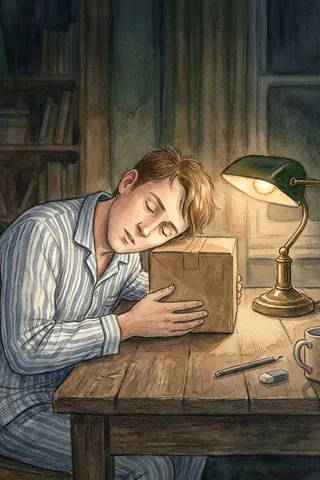
الطرد للسيدة فاغنر
 A1
الدراجة الحمراء
 A1
القرعة كبيرة جدا
 A1
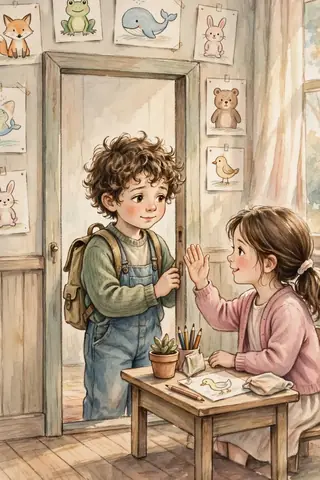
الولد الجديد
 A2
الزميل الجديد
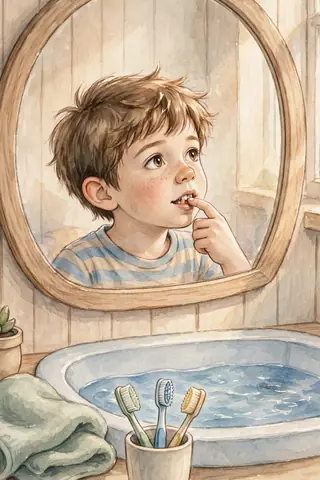 A1
السن المتحرك
 C1
النبيذ حامض
 A2
العلبة بلا علامة
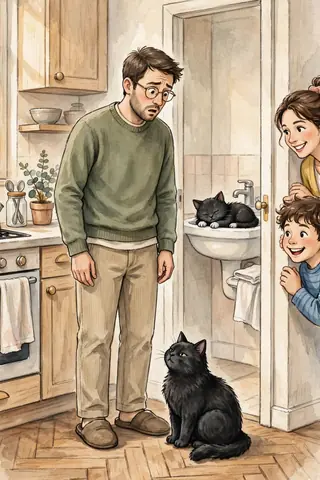 A2
القطة الثالثة
 A2
السؤال الذي لم أطرحه
 A2
المرأة في القطار
 A1
البطة الصغيرة
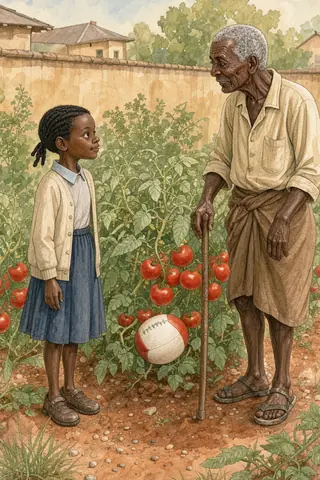 A1
ثلاث حبات طماطم
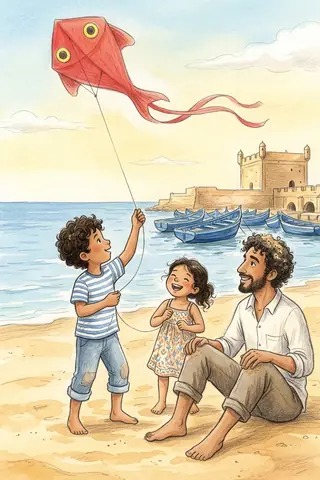 A1
سمكة في السماء
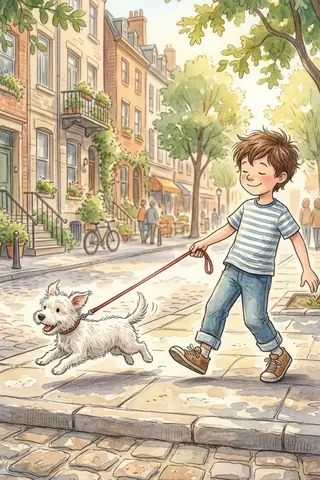 A1
كلب لمدة أسبوع
 A1
كعكة لماما
 A1
رجل ثلج لجدتي
 A2
ليلة في الخيمة
 A2
خمسون على القمة
 A2
ثمانية وأربعون
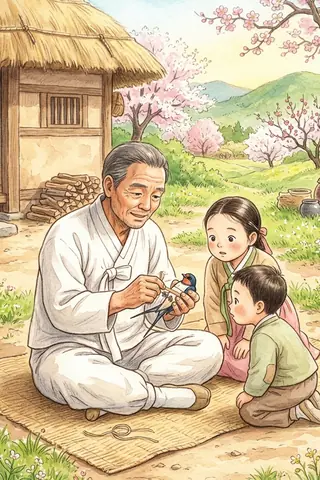 A2
هونغبو ونولبو
 A1
هوبل لا يستطيع النوم
 A1
هوبل وأول ثلج
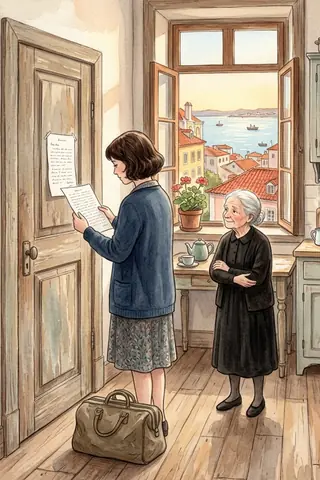 A2
قواعد البيت
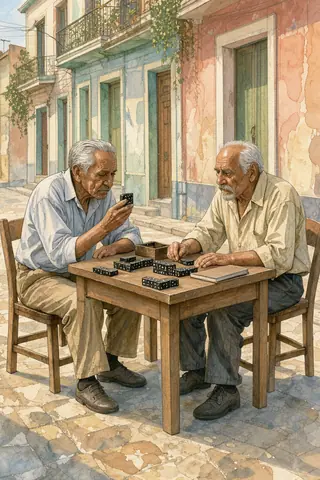 A2
168 نقطة
 1A2
المفتاح
 2A2
فطور لثلاثة
 3A2
ماركو
 4A2
العاصفة
 5A2
جدار الكنيسة
 6A2
سر صوفي
 7A2
حفل البحيرة
 8A2
حقيبة إيلينا
 9A2
الفستان
 10A2
الرسالة العاشرة
 1A1
الرحلة 9:15
 2A1
الأدوات
 3A1
صوت في الظلام
 4A1
وعد حامد
48 of 156 stories shown: the level pages above and the Arabic–English library have the rest.
Free graded readers in Arabic
Every story here carries its level on the Common European Framework, from A1 for beginners to C1 and beyond, so the library works as a set of Arabic graded readers, most of them free: start at the level where you understand most of a page, and move up when the English beside it is something you check only now and then.
Want a book that isn’t here? Make your own Arabic–English parallel text from any EPUB or PDF: free preview, and 50 free pages when you sign up.
Reading Arabic with English alongside
Arabic is written from right to left, in a script whose letters change shape depending on where they fall in a word. It looks unfamiliar at first, but the alphabet is small and regular, and the shapes become familiar after a few stories. Short vowels are normally not written, so a word’s reading comes from context, and from the English beside it.
Modern books and the news are written in Modern Standard Arabic, while everyday speech differs from country to country. The Arabic in the library is Modern Standard Arabic, the language shared by readers across the Arabic-speaking world. With the English beside each paragraph, you can follow the story while the script and the words become familiar.
Reading English books with Arabic alongside
For Arabic speakers, a parallel text is a way into books in English without stopping at every idiom or phrasal verb. Read the English and look across to the Arabic when a sentence doesn’t land.
It works for families abroad too: one book, two languages on the same page, so children growing up with English can keep reading Arabic with their parents and grandparents.
156 English stories in the library have Arabic alongside: تعلّم الإنجليزية من القصص القصيرة.
Where a parallel text helps most in Arabic
Words grow from roots
Most Arabic words are built from a root of three consonants: k-t-b gives kitab (book), katib (writer) and maktaba (library). Once you spot a root, whole families of words fall into place, and the English beside it confirms the meaning.
Short vowels are not written
Arabic text usually shows only the consonants and long vowels, so the same letters can be read in more than one way. Readers rely on context to choose; with the English beside each paragraph, you can check your reading at once.
Right to left, next to left to right
Arabic runs from right to left and English from left to right. Each side keeps its own direction, so both read naturally, and you can move between them without losing your place.
Arabic classics to read in parallel
Long out of copyright and easy to find as EPUBs. Any of them makes a good first Arabic–English parallel text:
- كليلة ودمنة, ابن المقفع
- مقدمة ابن خلدون, ابن خلدون
- ألف ليلة وليلة, تراث شعبي
- حي بن يقظان, ابن طفيل
Or use a book you already own: the method works best with something you actually want to read. See how to read a parallel text to get the most from it.
Questions about Arabic–English stories
Where can I read Arabic stories with English side by side for free?
Right here: 121 free Arabic–English stories open in the browser with no account, the English beside every paragraph, from A1 to C2.
What is a Arabic–English parallel text?
A Arabic text placed beside its English translation, paragraph by paragraph, so you can read in one language and glance across to the other whenever you need to.
Which Arabic story should I start with?
Pick the level where you understand most of a page: the beginner stories use short sentences and common words, and the levels above them add longer sentences and richer vocabulary. Each story shows its level on the Common European Framework.
Can I read Arabic–English stories on a Kindle or Kobo?
Yes. Every free story is also a bilingual ebook; downloading needs a free account, no payment. Subscriber books download with Reader.