Italian · English · B1–B2
Intermediate Italian short stories, side by side with English (B1–B2)
Real literature at a reachable level: O. Henry, Saki, Oscar Wilde, Chekhov and Maupassant in Italian, with the English original beside every paragraph.
191 intermediate stories in Italian, 189 of them free
Each one opens in your browser with no account, the Italian and the English side by side, paragraph by paragraph, shortest first. Every free story is also a free Italian–English ebook for Kindle, Kobo or any e-reader: downloading needs a free account, no payment (which file to pick).
Besides the classics, this level has stories from Storie semplici, original Italian stories written for the library.
Besides the classics, this level has stories from Filosofi dell’antichità, original Italian stories written for the library.
Besides the classics, this level has stories from Lettere a San Nicola, original Italian stories written for the library.
Besides the classics, this level has stories from Il forno di notte, original Italian stories written for the library.
Besides the classics, this level has stories from Il mercatino della piazza, original Italian stories written for the library.
Open the intermediate Italian–English stories in the library, where you can search them and switch to another level or pair.
To listen as you read, see the Italian stories with audio.
 B1
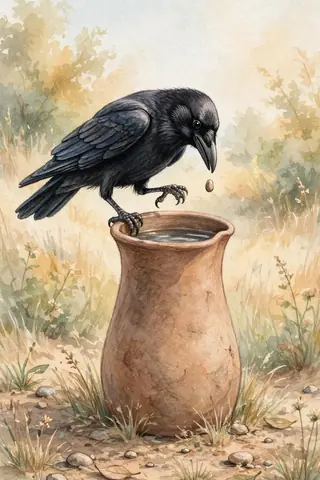
Il corvo e la brocca
 B1
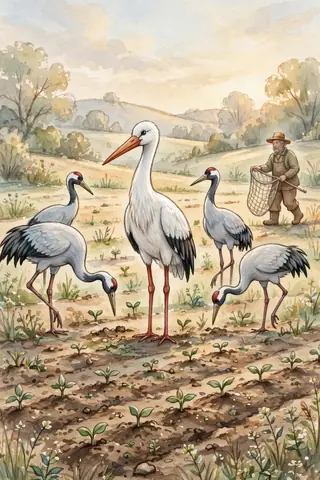
Il contadino e la cicogna
 B1
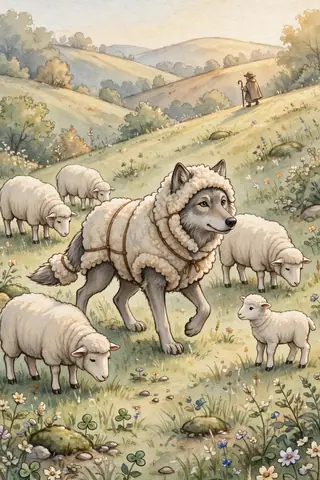
Il lupo vestito da pecora
 B1
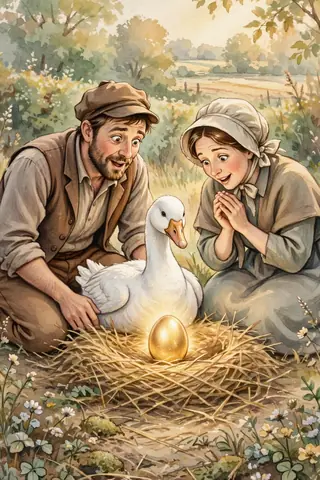
L’oca e l’uovo d’oro
 B1
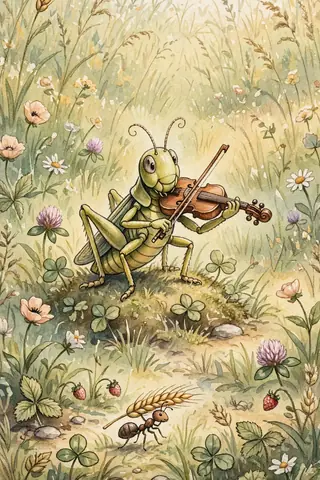
La formica e la cicala
 B1
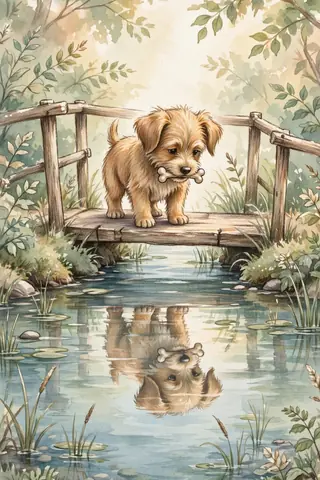
Il cane e il suo riflesso
 B1
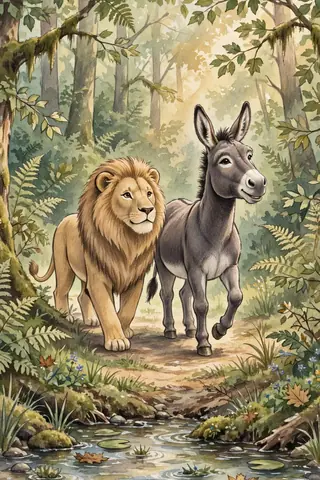
Il leone e l’asino
 B1
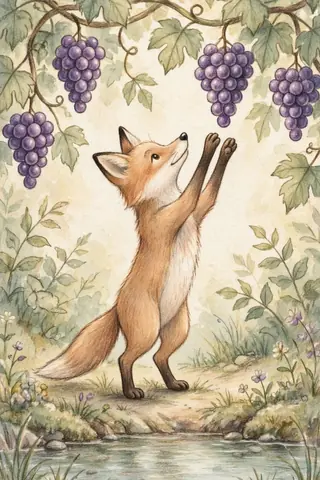
La volpe e l’uva
 B1
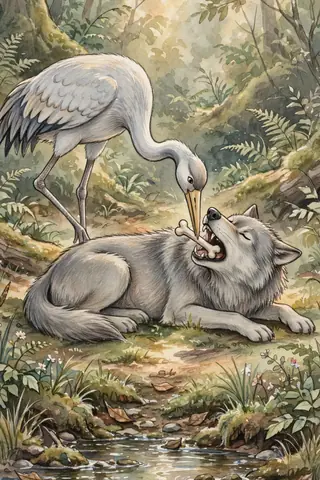
Il lupo e la gru
 B1
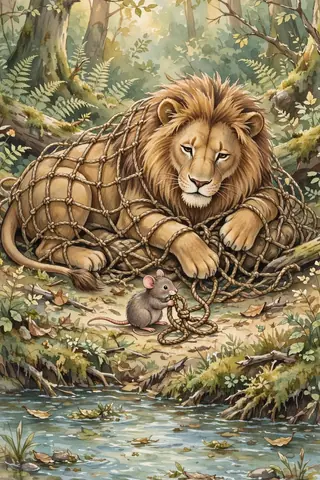
Il leone e il topo
 B1
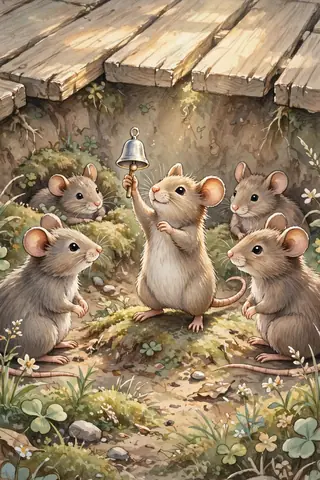
Mettere il campanello al gatto
 B1
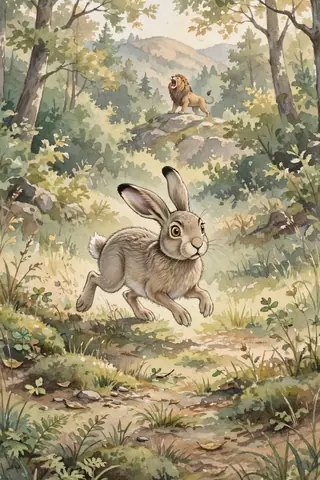
La lepre e le sue orecchie
 B1
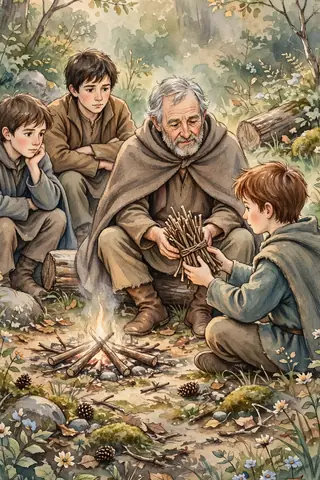
Il fascio di bastoncini
 B1
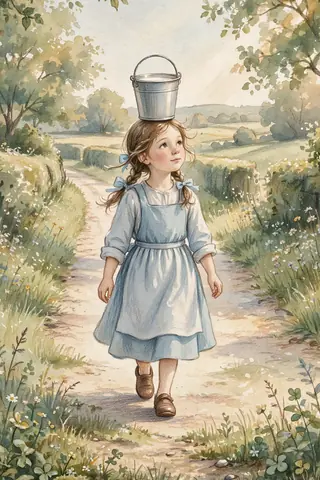
La lattaia e il suo secchio
 B1
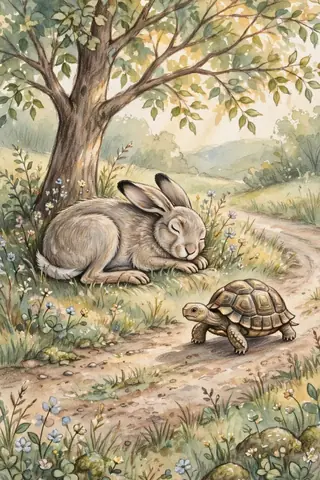
La lepre e la tartaruga
 B1
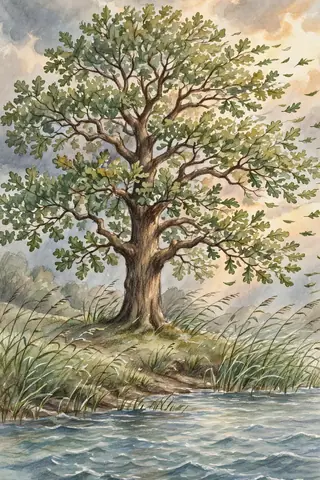
La quercia e le canne
 B1
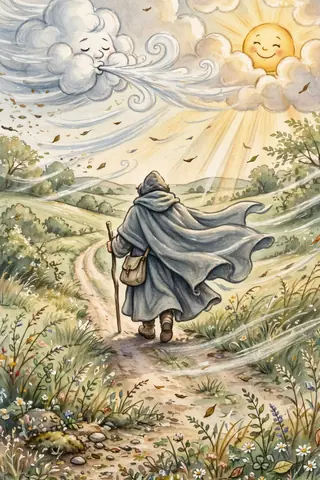
Il Vento del Nord e il Sole
 B1
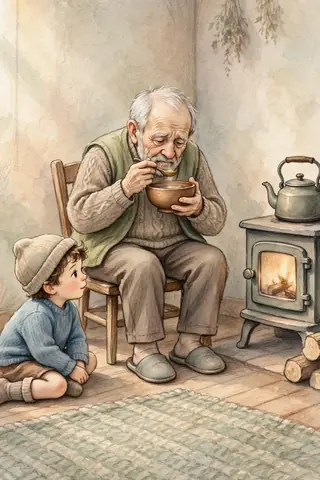
Il vecchio e suo nipote
 B1
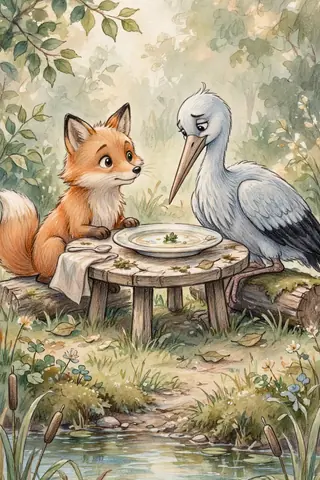
La volpe e la cicogna
 B1
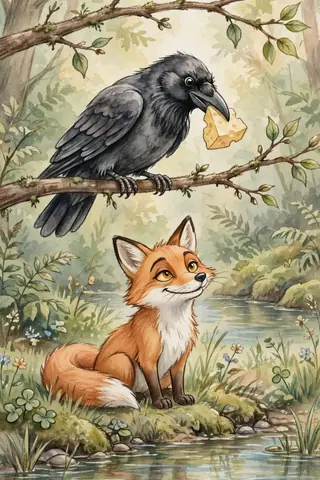
La volpe e la cornacchia
 B1
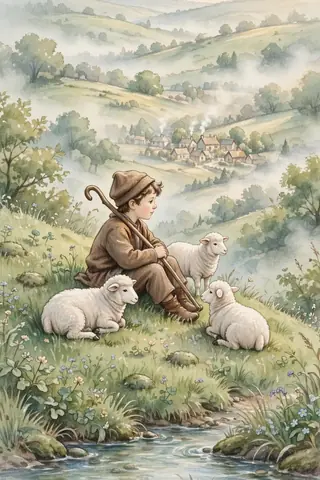
Il ragazzo che gridava al lupo
 B1
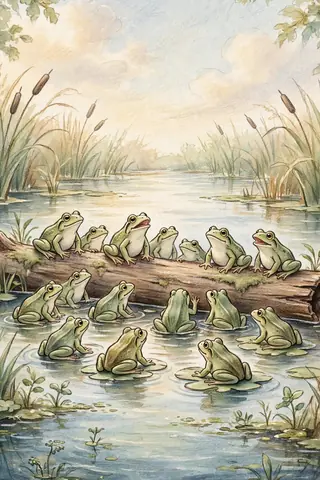
Le rane che volevano un re
 B1
La principessa sul pisello
 B1
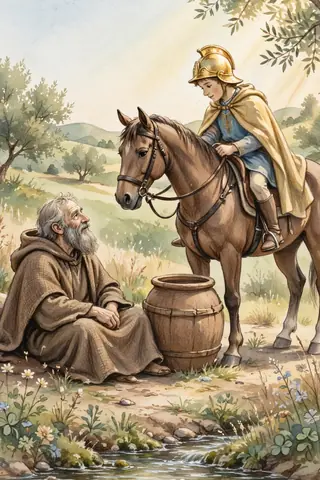
Diogene il saggio
 B1
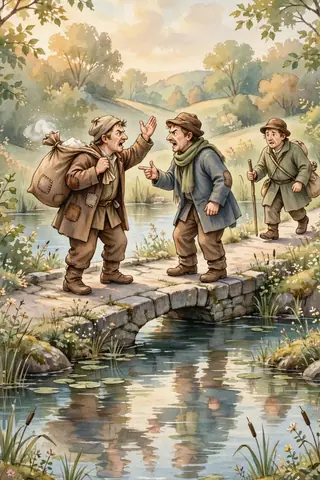
Tre uomini di Gotham
 B1
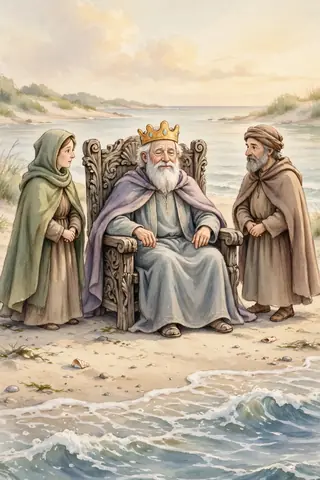
Il re Canuto sulla riva del mare
 B1
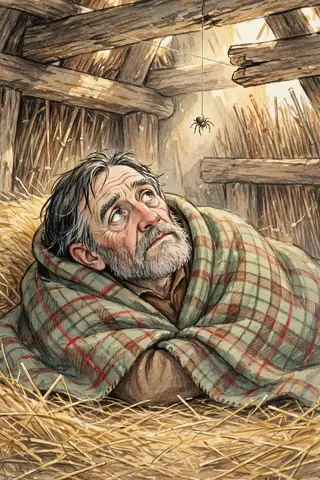
Bruce e il ragno
 B1
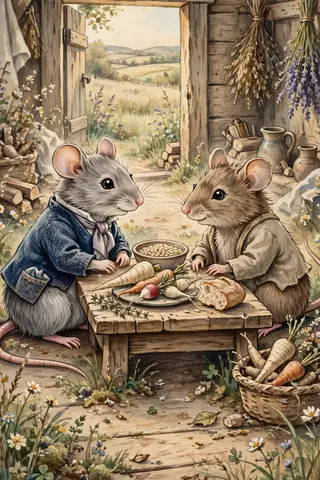
Il topo di città e il topo di campagna
 B1
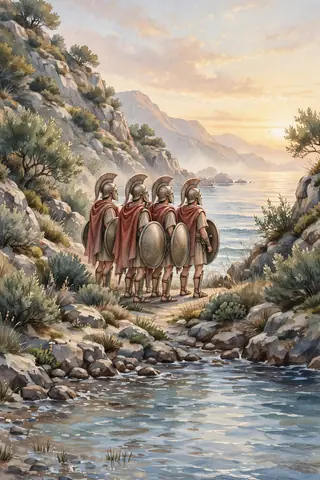
I trecento valorosi
 B1
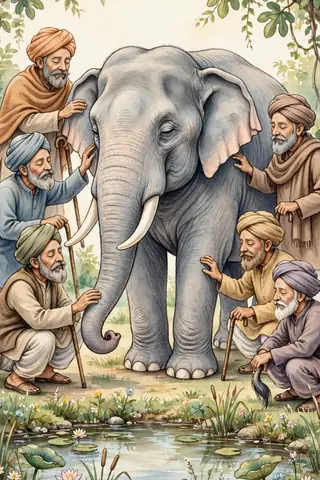
I ciechi e l’elefante
 B1
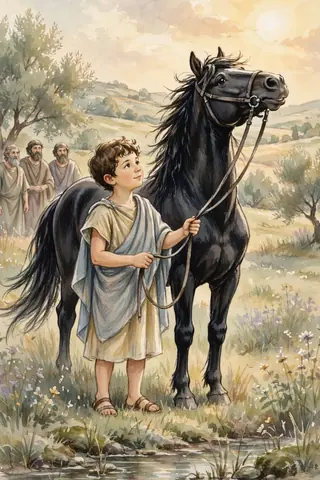
Alessandro e Bucefalo
 B1
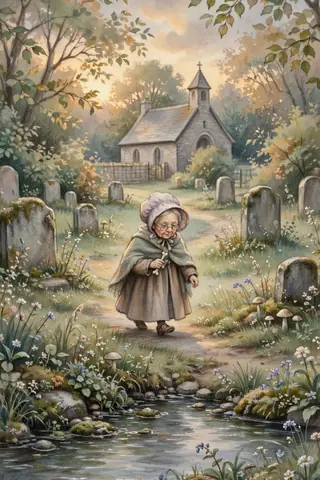
Piccola piccola
 B1
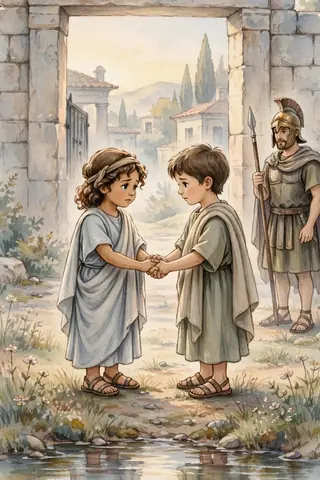
Damon e Pythias
 B1
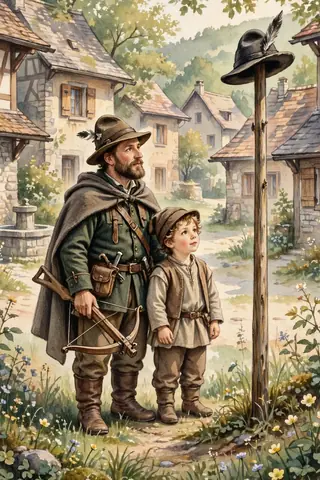
La storia di Guglielmo Tell
 B1
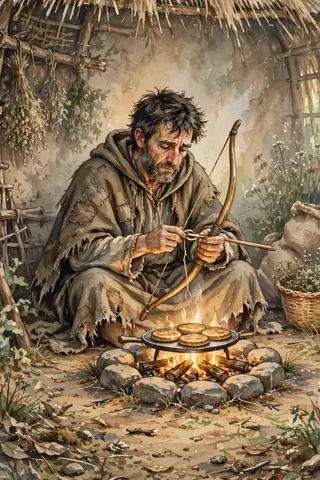
Re Alfred e le focacce
 B1
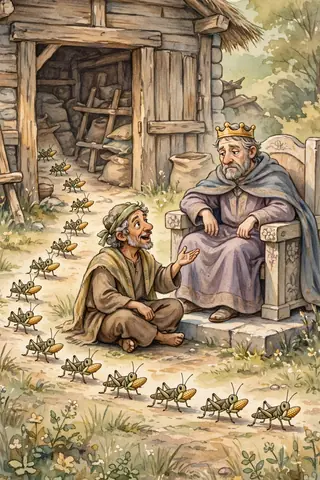
La spada di Damocle
 B1
La storia infinita
 B1
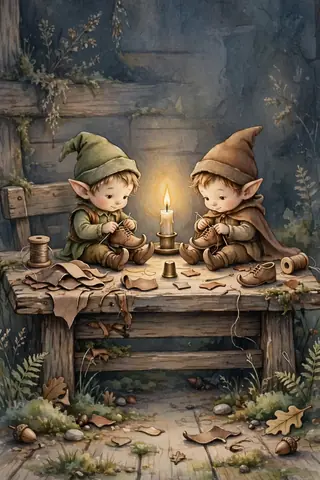
I nani e il calzolaio
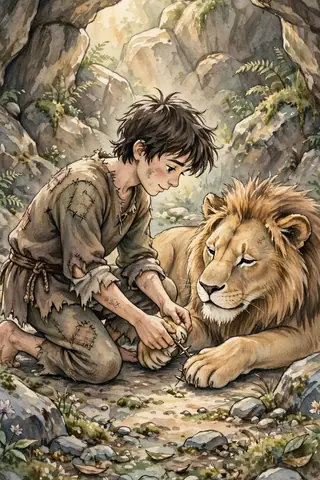 B1
Androclo e il leone
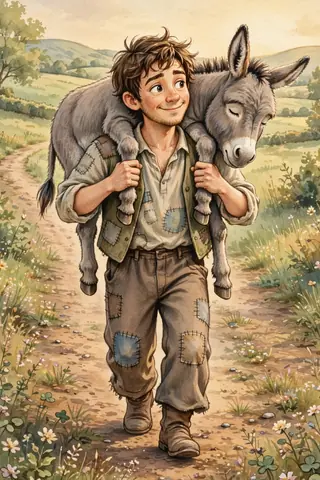 B1
Jack lo scansafatiche
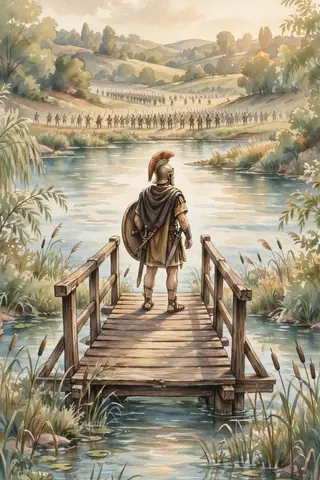 B1
Orazio al ponte
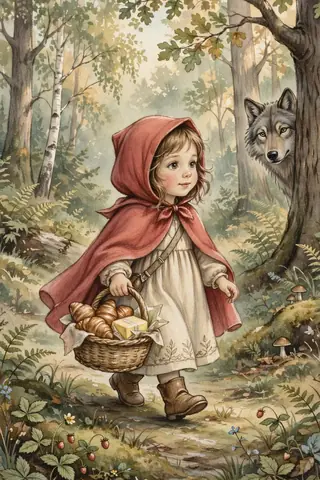 B2
Cappuccetto Rosso
 B1
Henny-Penny
 B1
Johnny-Cake
 B1
Titty Mouse e Tatty Mouse
 B1
La Nave Bianca
 B1
La vecchia e il suo maialino
 B1
Cuori e mani
 B1
La storia dei due topi cattivi
 B1
La storia dei tre porcellini
 B1
La storia di Peter Coniglio
 B2
La storia di un’ora
 B1
La piccola fiammiferaia
 B1
Come la Balena si procurò la gola
 B1
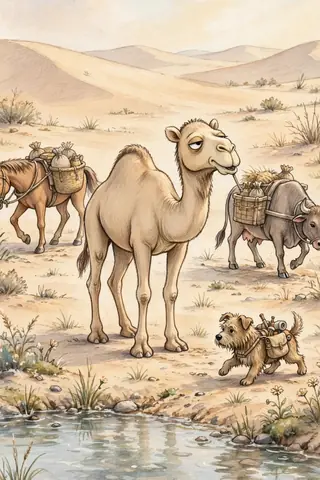
Come il Cammello si fece la gobba
 B1
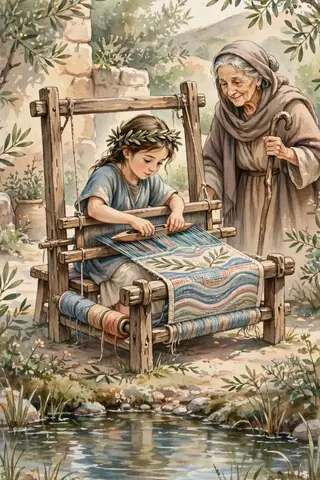
La meravigliosa tessitrice
 B1
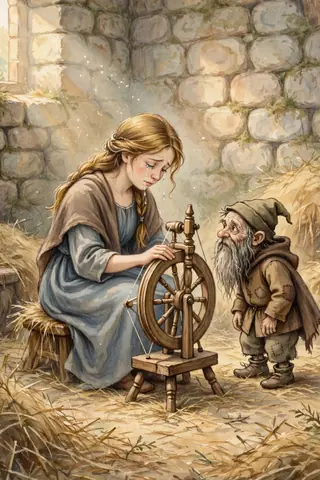
Rumpelstiltskin
 B1
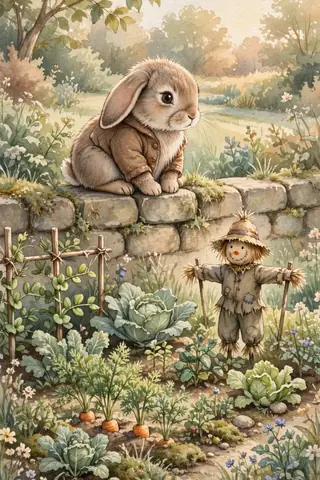
La storia di Benjamin Coniglio
 B1
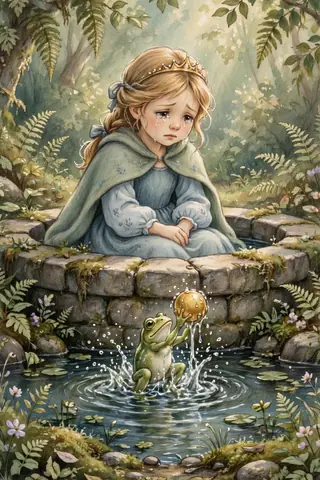
Il principe ranocchio
 B1
Il diluvio
 B1
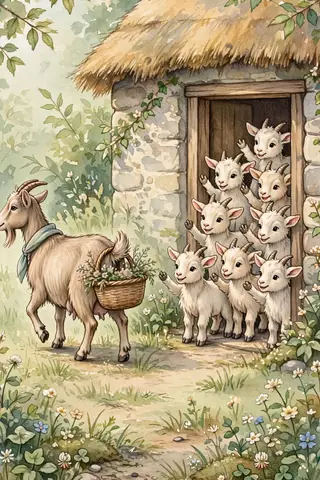
Il lupo e i sette capretti
 B1
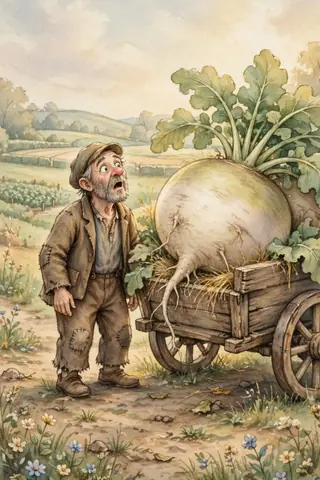
La rapa
 B1
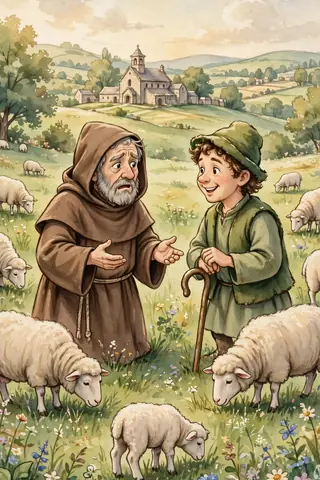
Re Giovanni e l’abate
 B1
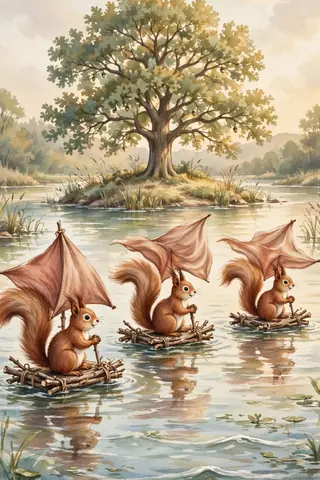
La storia di scoiattolo Nutkin
 B2
La finestra aperta
 B1
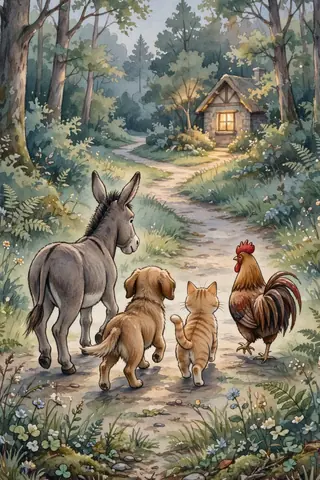
I musicanti viaggiatori
 B1
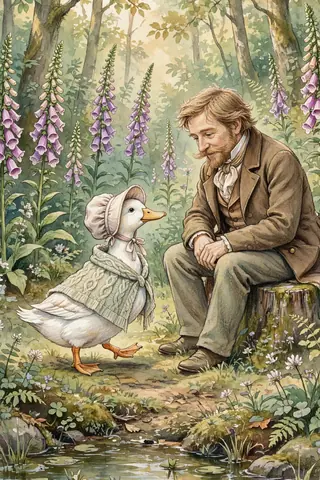
La storia di Jemima Anatra
 B1
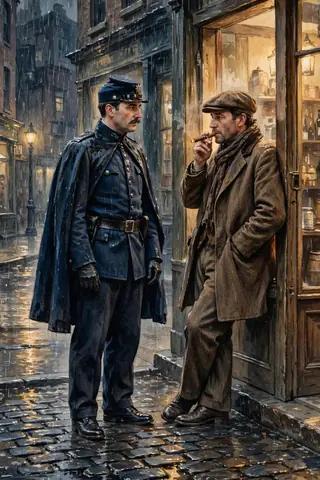
Dopo vent’anni
 B1
Madama Holle
 B1
Cappuccetto Rosso
 B1
La campana di Atri
 B1
I tre sciocchi
 B1
La storia dei tre orsi
 B1
Riccioli d’oro e i tre orsi
 B1
Raperonzolo
 B2
Il romanzo di un agente di cambio indaffarato
 29B1
La finestra
 B1
Rosaspina
 B1
Il gigante egoista
 24B1
Trecento panini
 27B1
Non per me
 B1
Le tre domande
 B1
I vestiti nuovi dell’imperatore
 B1
L’oca d’oro
 B1
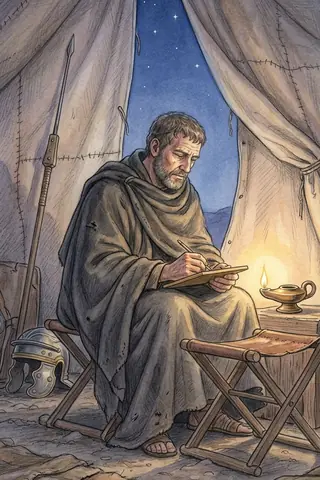
Marco Aurelio
 B1
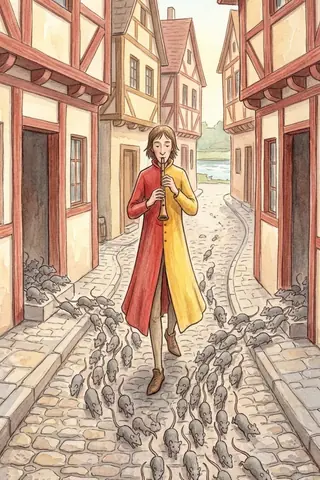
Il pifferaio magico di Hamelin
 B1
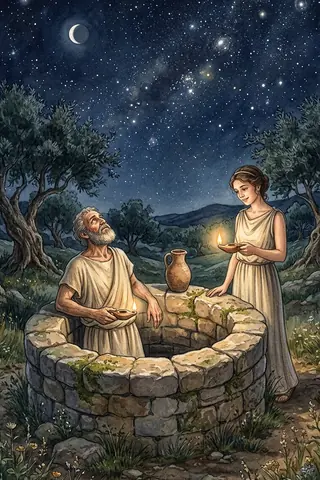
Talete di Mileto
 28B1
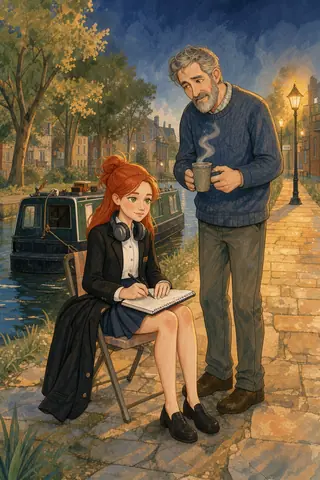
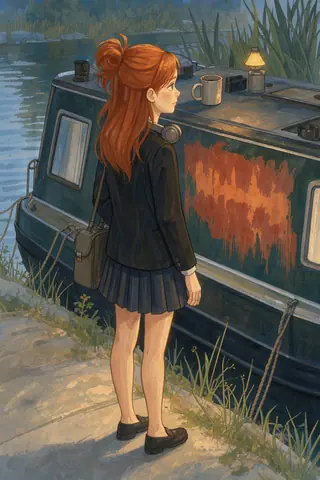
Disegnare barche
 B1
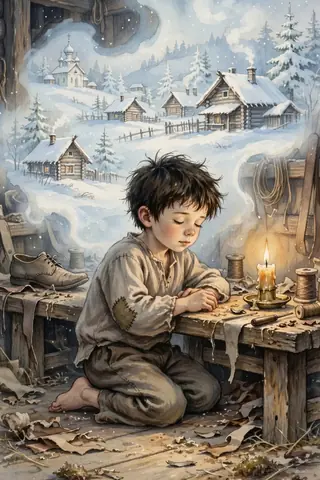
Vanka
 B1
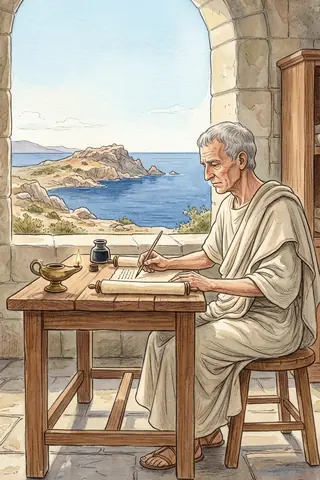
Seneca il romano
 37B2
Duecentodiecimila
 B1
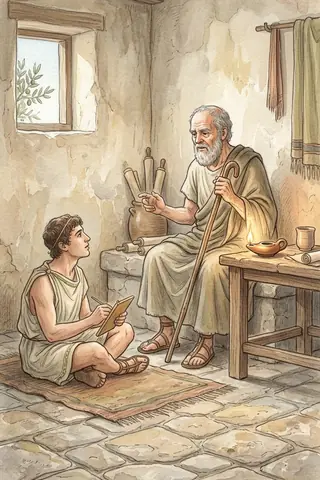
Epitteto il liberto
 B1
Epicuro di Samo
 31B2
Sopra la lavanderia a gettoni
 40B2
Il gradino
 B1
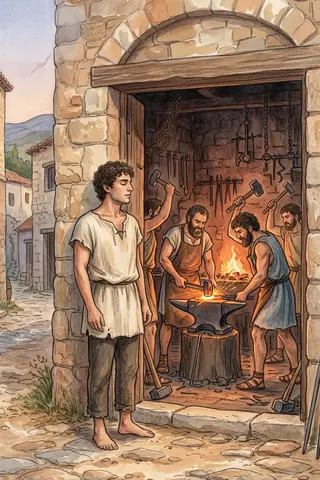
Diogene di Sinope
 B1
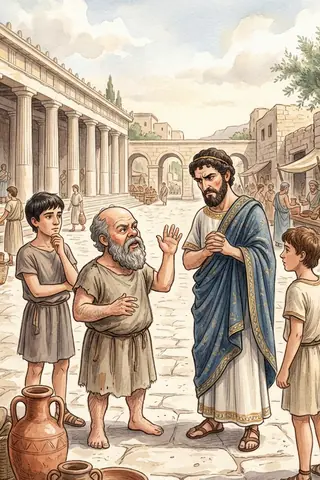
Pitagora di Samo
 B1
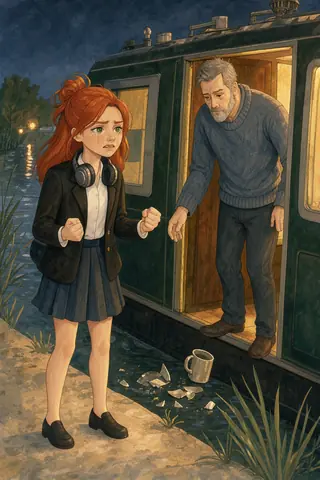
Socrate di Atene
 30B1
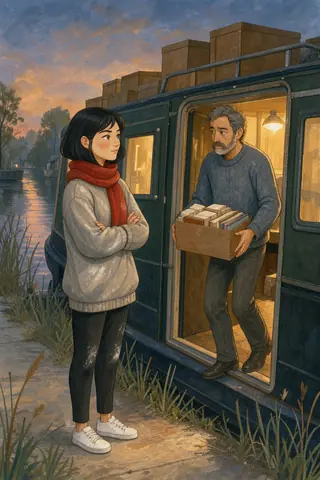
Lei sapeva
 33B2
Fare i bagagli
 B2
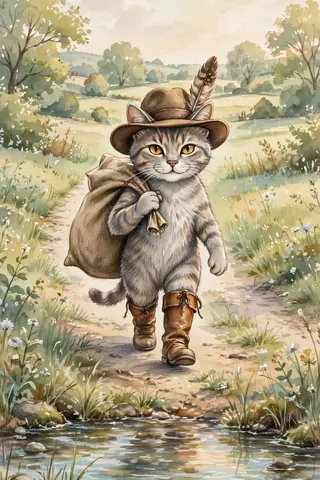
Il gatto con gli stivali
 B1
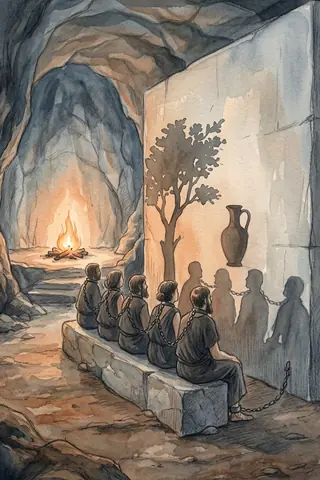
Platone di Atene
 39B2
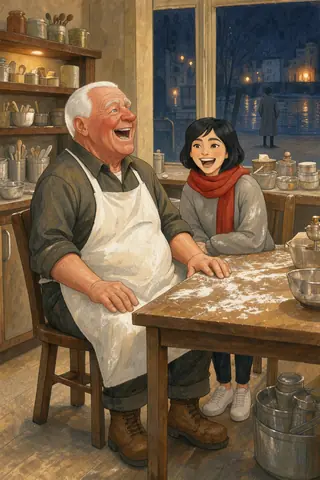
L’ultima notte
 B1
Eraclito di Efeso
 26B1
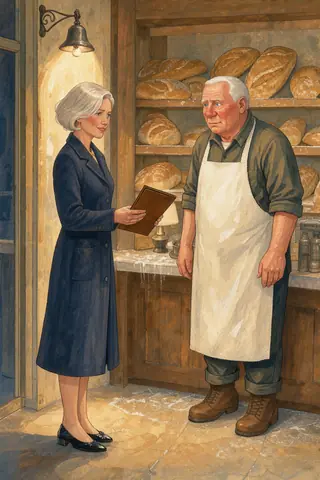
Un’offerta
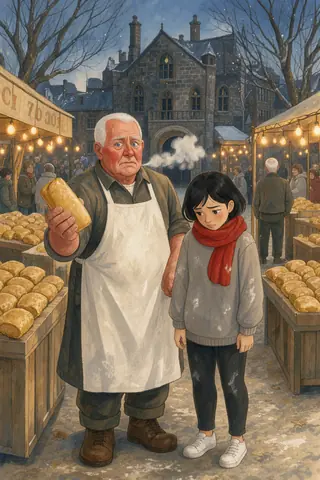 25B1
La fiera d’inverno
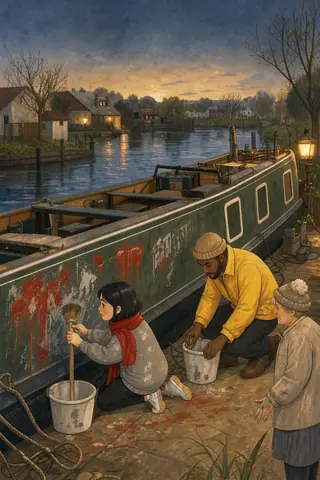 36B2
Vernice rossa
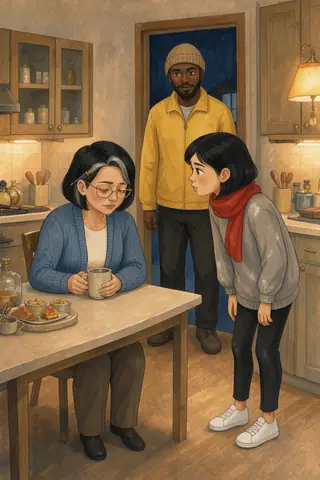 38B2
Il ruolo di Priya
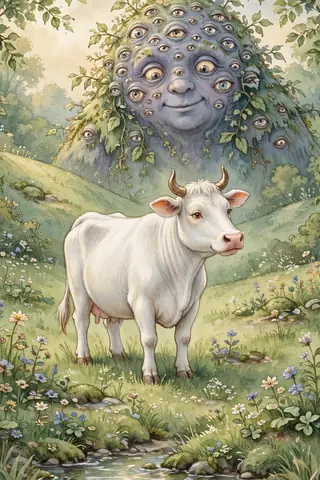 B1
La storia di Io
 22B1
Le chiavi
 35B2
Le tre del mattino
 10B1
Un motivo per restare
 B1
Tom Tit Tot
 23B1
Sul gradino
 B1
La gomma sotto l’albero di tamarindo
 21B1
Un amico di nome Mick
 B1
Il soldatino di piombo
 2B1
La sacrestia
 32B2
Il numero tre
 4B1
Il postino
 6B1
L’appartamento sopra la farmacia
 9B1
Una rubrica senza nomi
 B2
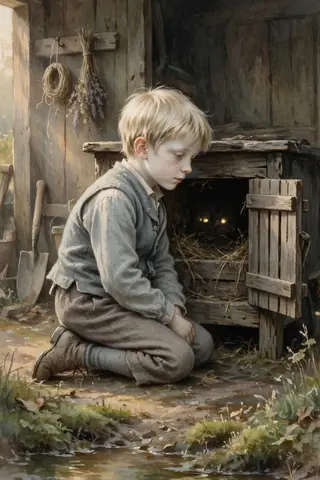
Sredni Vashtar
 8B1
Allora vai
 B2
La storia del bravo ragazzino
 3B1
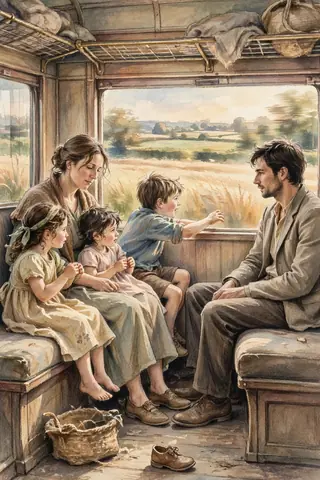
Due mani
 B2
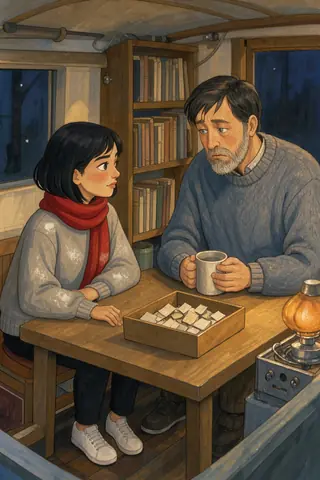
Il narratore
 34B2
Cos’è successo davvero
 5B1
Cinquanta pacchi di carta
 B1
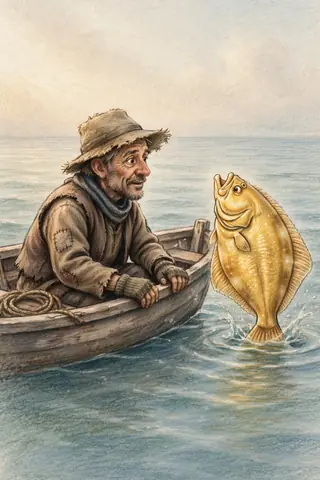
Il pescatore e sua moglie
 B2
Miss Brill
 B1
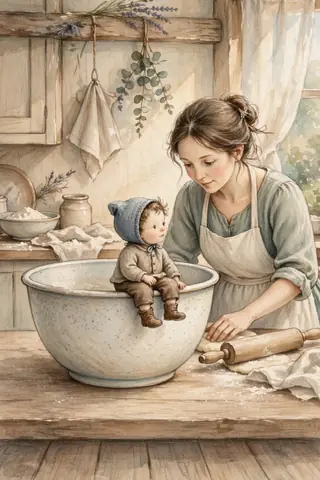
La storia di Tom Thumb
 7B1
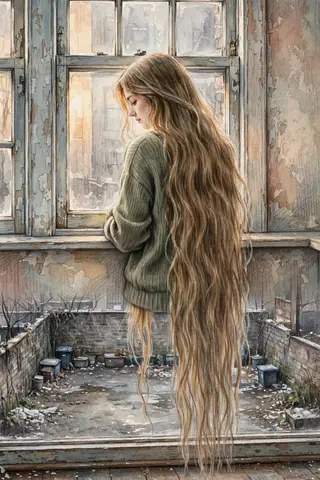
Il tavolo della cucina
 B2
Il dono dei Magi
 B1
Il maestro di posta
 B1
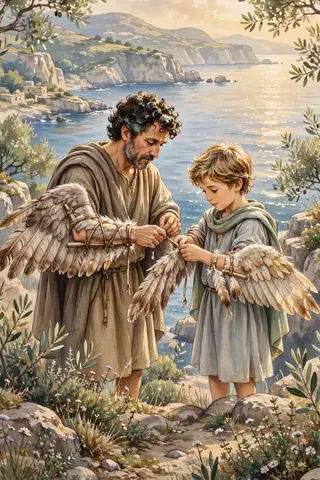
Il meraviglioso artigiano
 1B1
Una valigia
 B2
Il bambino di Désirée
 B2
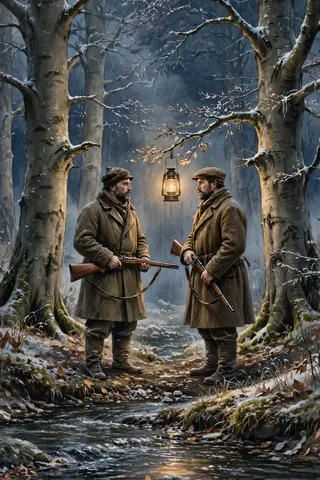
Gli intrusi
 B1
L’usignolo e la rosa
 B1
Stanza 13
 B2
Il ripostiglio
 B2
Cenerentola, o la pantofolina di vetro
 B1
Il messaggio di domani
 2B2
Le regole
 4B2
L’uomo accanto al fuoco
 8B2
La grande nevicata
 B1
Non per Jonas
 B1
Gezeitengeduld
 5B2
Per W.
 B2
Il poliziotto e l’inno
 3B2
Le luci da lavoro
 B1
Hans e la fortuna
 1B2
L’offerta
 10B2
Le chiavi
 B2
L’ultima foglia
 B1
Snowdrop
 7B2
Il lato nord
 6B2
La condizione
 B1
Non ancora
 B1
Jack e la pianta di fagioli
 B1
La storia di Prometeo
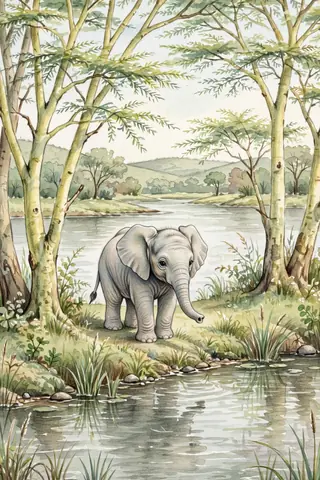 B1
L’elefantino
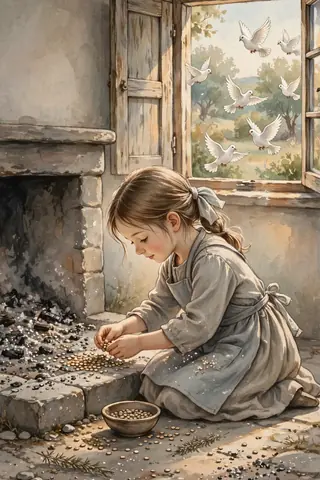 B1
Ashputtel
 B2
Mettere la freccia a destra
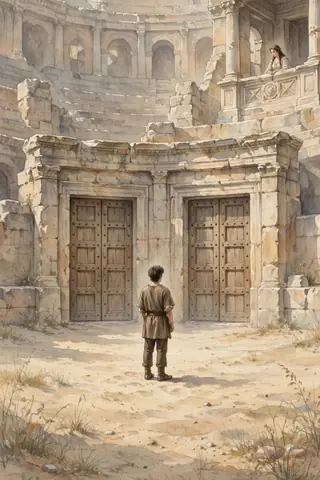 B2
La dama o la tigre?
 9B2
Il secondo passo
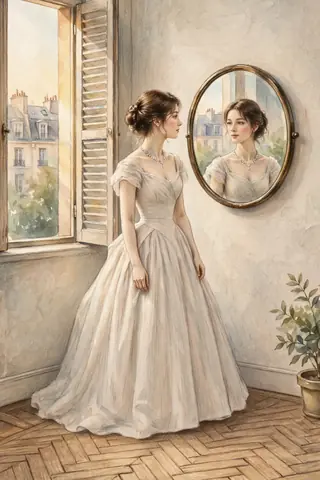 B2
La collana
 B2
La scommessa
 B2
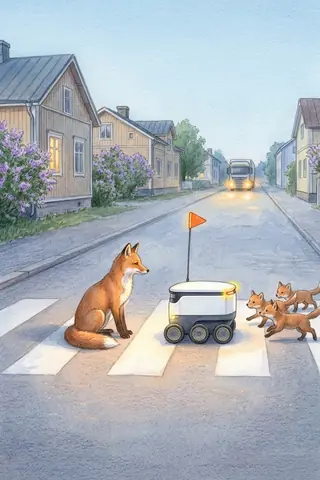
Il martedì alle dieci
 B2
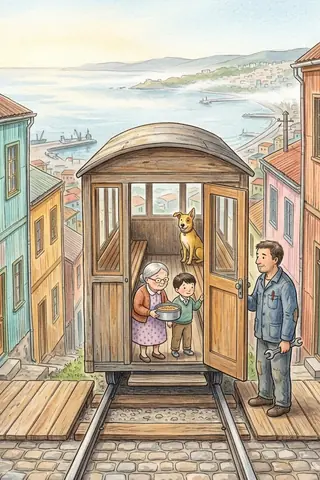
Il semaforo di Kalamaja
 B2
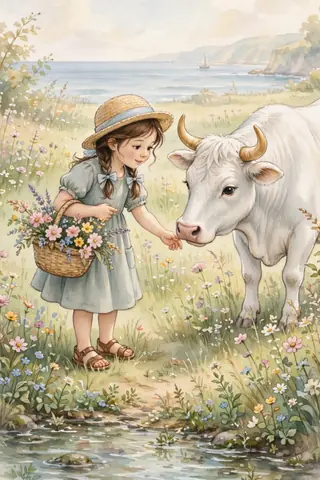
Il freno di San Rafael
 B1
Cadmo ed Europa
 B2
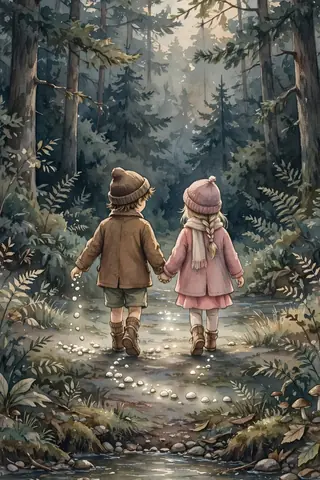
Una riforma recuperata
 B1
Hansel e Gretel
 B1
Il Cabuliwallah
 B1
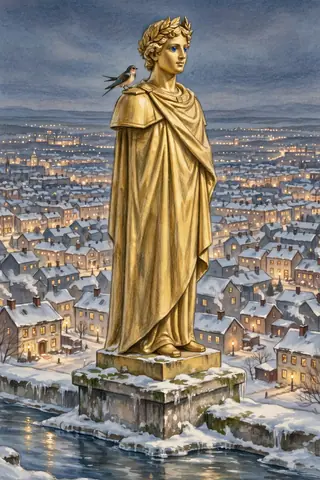
Il principe felice
 B1
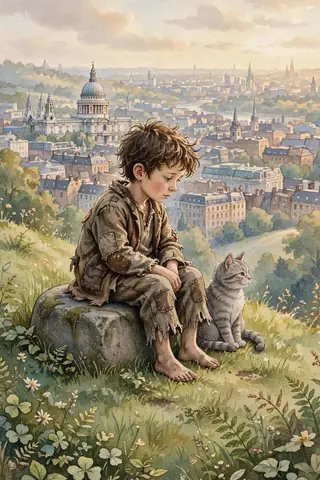
Whittington e la sua gatta
 B2
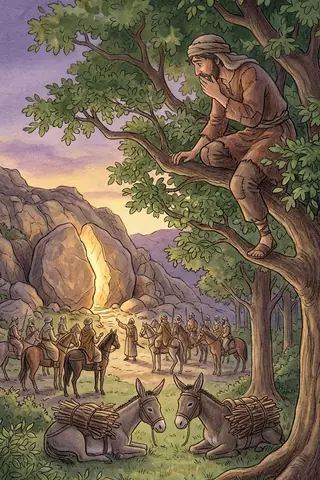
Alì Babà e i quaranta ladroni
 B1
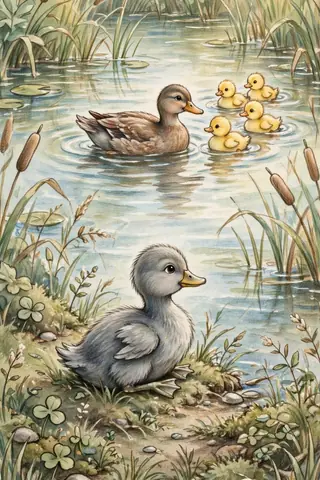
Il brutto anatroccolo
 B1
Il coniglietto di velluto
 B1
Il negozio di magia
 B2
La zampa di scimmia
 B2
La tempesta
 B1
Il gatto che se ne andava sempre solo
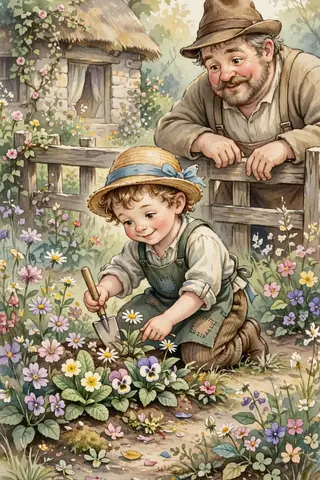 B1
L’amico devoto
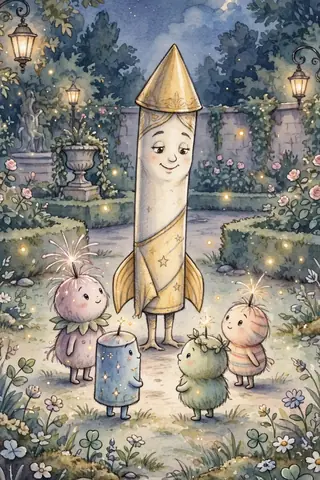 B2
Il Razzo Straordinario
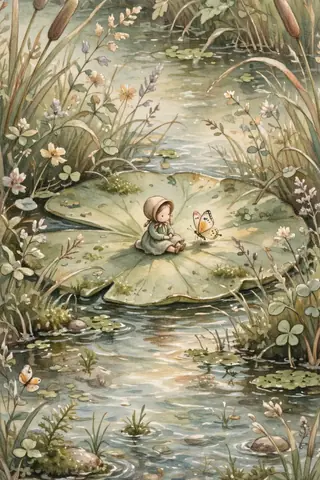 B1
Mignolina
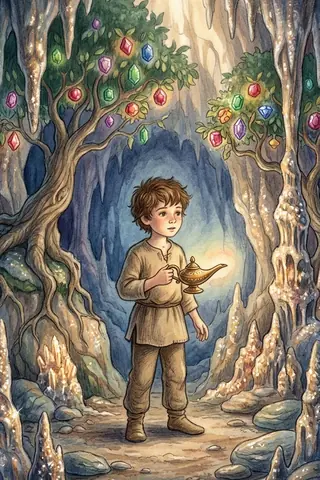 B2
Aladino e la lampada meravigliosa
 B2
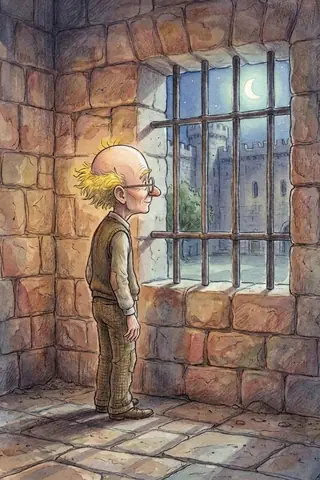
Il problema della cella 13
 B2
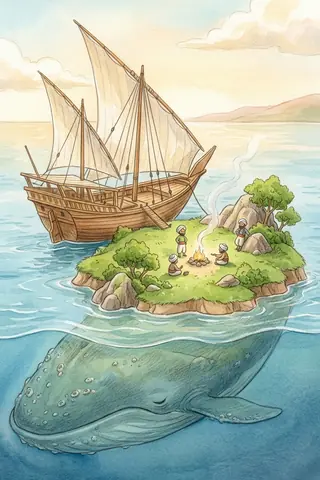
Sindbad il marinaio
What intermediate Italian stories are like
Intermediate stories are where reading gets rewarding. They are written for adults, with twists and irony (The Gift of the Magi, The Necklace, The Open Window), but short enough to finish in twenty minutes to half an hour.
The vocabulary is wider and the sentences longer than in a fable, and dialogue brings in everyday phrases that textbooks leave out. With the English next to each paragraph, none of that has to stop you.
How to read Italian at B1–B2
Read in Italian, check in English
At B1–B2 you can usually follow the Italian on its own. Keep your eyes on it and look across only when a sentence doesn’t land, rather than reading both sides line by line.
Let the plot pull you
These stories were written to be enjoyed. If you want to know how it ends, you will read faster and remember more, so pick the one whose first page grabs you.
Notice the tenses
Stories are told in the past, and the Italian past tenses carry meaning the English sometimes flattens. Comparing the two sides is the quickest way to feel the difference.
More on the method in how to read a parallel text.