Spanish · English · B1–B2
Intermediate Spanish short stories, side by side with English (B1–B2)
Real literature at a reachable level: O. Henry, Saki, Oscar Wilde, Chekhov and Maupassant in Spanish, with the English original beside every paragraph.
191 intermediate stories in Spanish, 189 of them free
Each one opens in your browser with no account, the Spanish and the English side by side, paragraph by paragraph, shortest first. Every free story is also a free Spanish–English ebook for Kindle, Kobo or any e-reader: downloading needs a free account, no payment (which file to pick).
Besides the classics, this level has stories from Historias sencillas, original Spanish stories written for the library.
Besides the classics, this level has stories from Filósofos de la Antigüedad, original Spanish stories written for the library.
Besides the classics, this level has stories from Cartas a San Nicolás, original Spanish stories written for the library.
Besides the classics, this level has stories from La panadería de noche, original Spanish stories written for the library.
Besides the classics, this level has stories from El mercadillo de la plaza, original Spanish stories written for the library.
Open the intermediate Spanish–English stories in the library, where you can search them and switch to another level or pair.
To listen as you read, see the Spanish stories with audio.
 B1
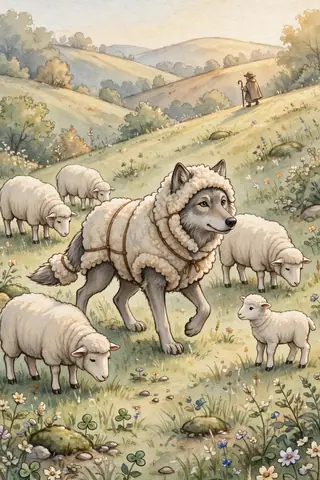
El lobo con piel de cordero
 B1
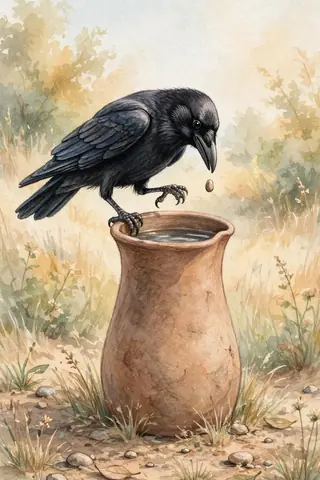
El cuervo y la jarra
 B1
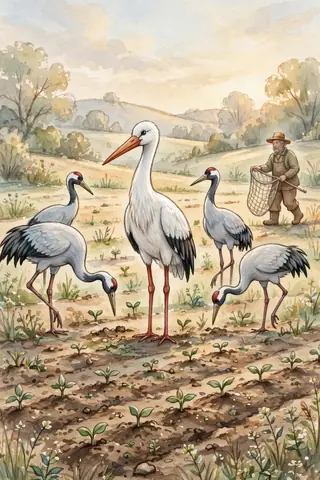
El granjero y la cigüeña
 B1
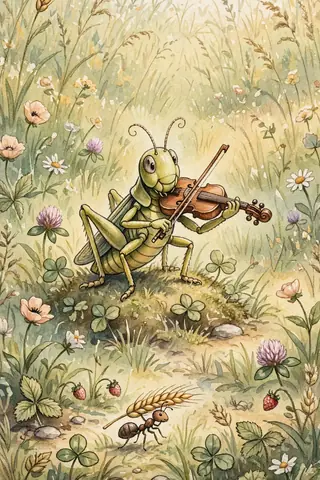
La hormiga y el saltamontes
 B1
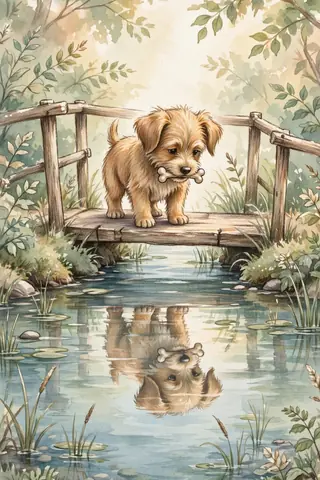
El perro y su reflejo
 B1
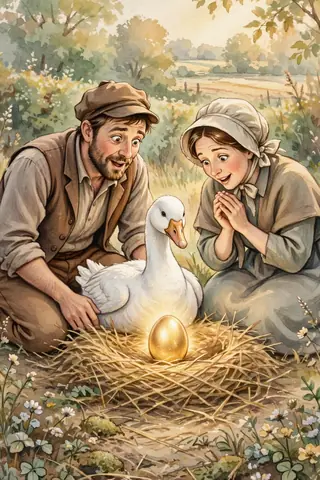
La oca de los huevos de oro
 B1
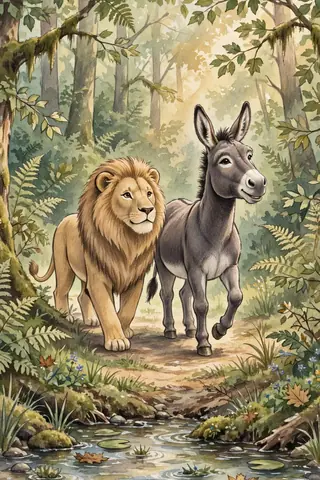
El león y el asno
 B1
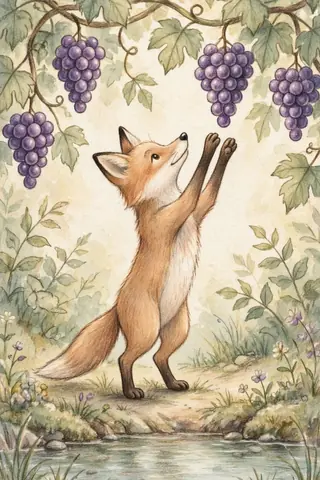
La zorra y las uvas
 B1
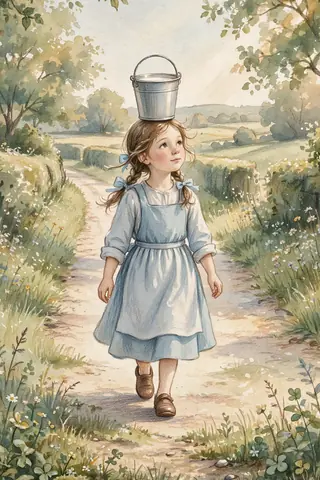
La lechera y su cubo
 B1
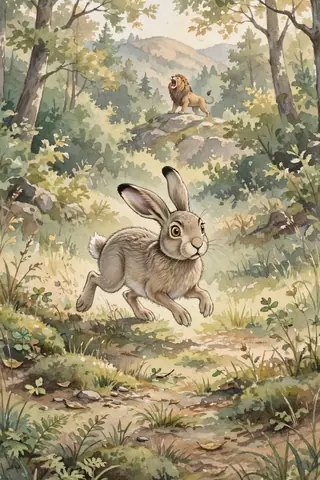
La liebre y sus orejas
 B1
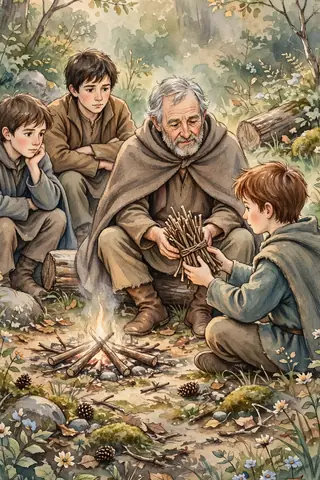
El haz de leña
 B1
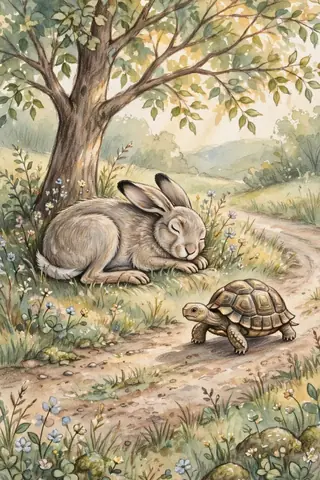
La tortuga y la liebre
 B1
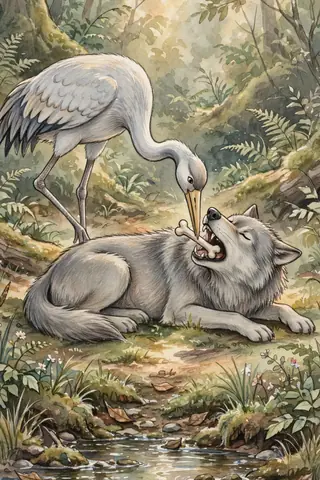
El lobo y la grulla
 B1
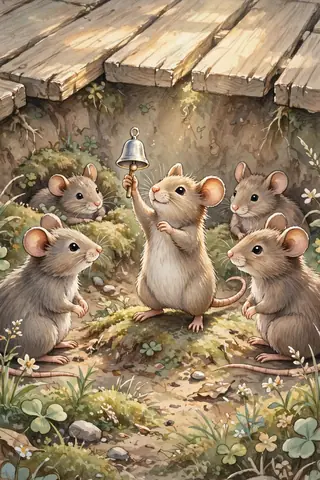
Ponerle el cascabel al gato
 B1
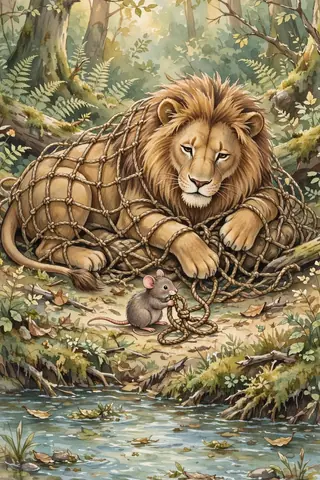
El león y el ratón
 B1
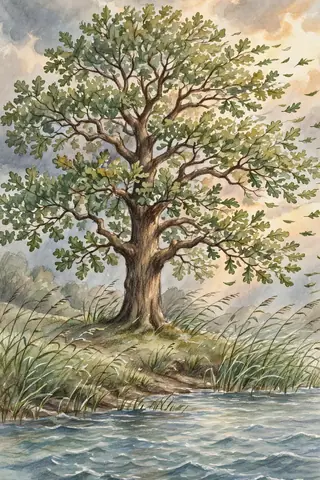
El roble y las cañas
 B1
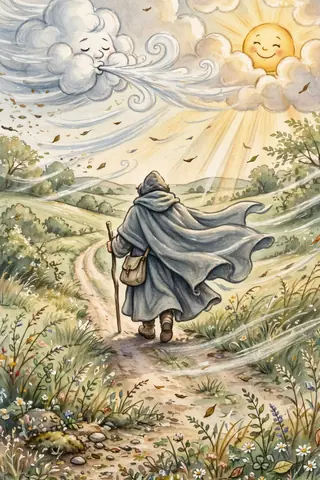
El Viento del Norte y el Sol
 B1
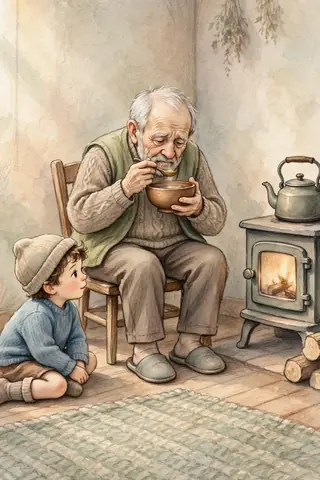
El viejo y su nieto
 B1
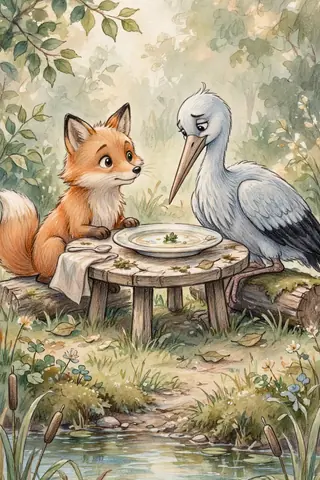
El zorro y la cigüeña
 B1
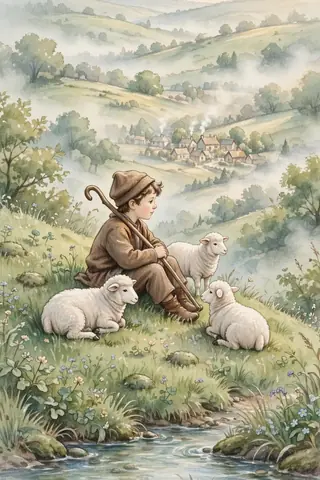
El pastorcillo mentiroso
 B1
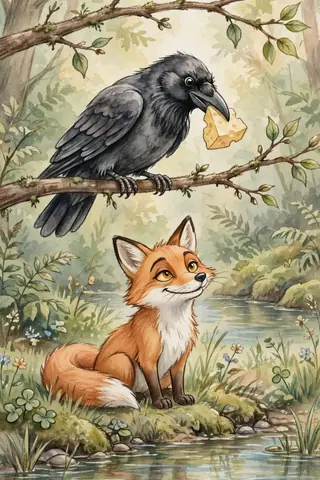
El zorro y el cuervo
 B1
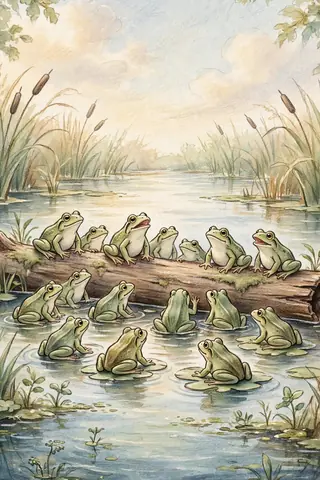
Las ranas que querían un rey
 B1
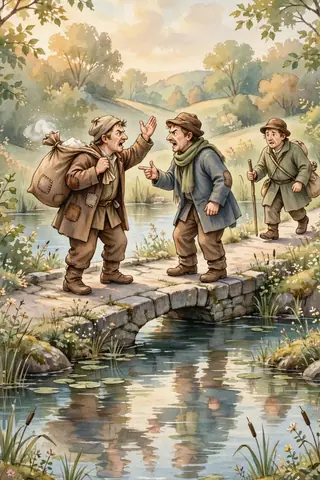
Tres hombres de Gotham
 B1
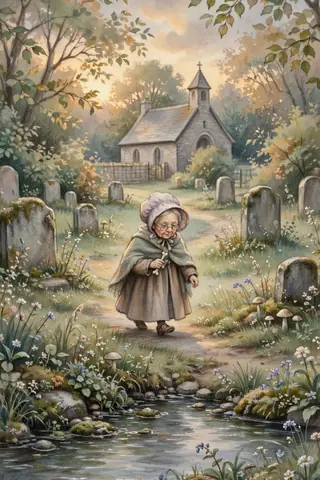
Diminuta
 B1
Diógenes el sabio
 B1
La princesa y el guisante
 B1
Bruce y la araña
 B1
El rey Canuto en la orilla del mar
 B1
Los trescientos valientes
 B1
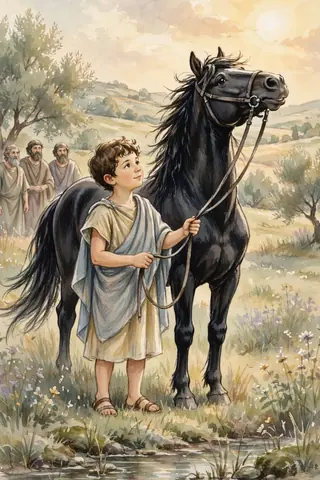
Alejandro y Bucéfalo
 B1
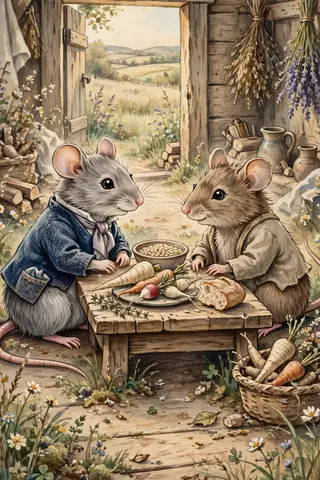
El ratón de campo y el ratón de ciudad
 B1
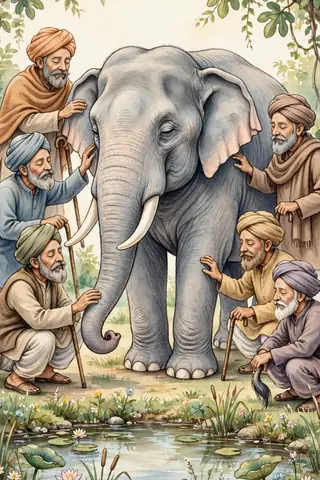
Los ciegos y el elefante
 B1
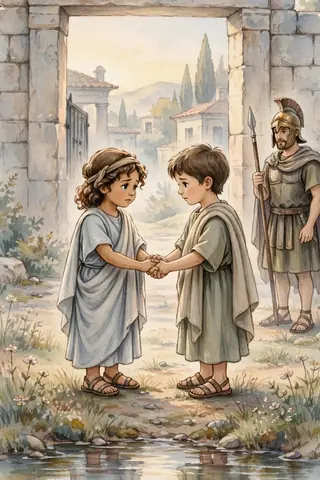
Damon y Pythias
 B1
La historia de Guillermo Tell
 B1
La espada de Damocles
 B1
El rey Alfredo y los pasteles
 B1
El cuento sin fin
 B1
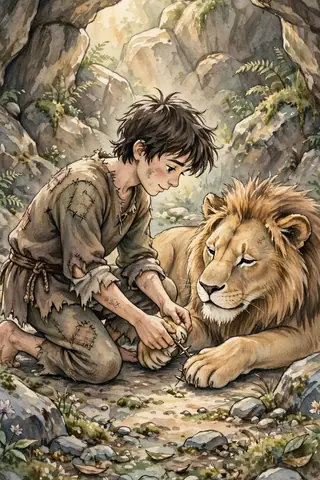
Ándrocles y el león
 B1
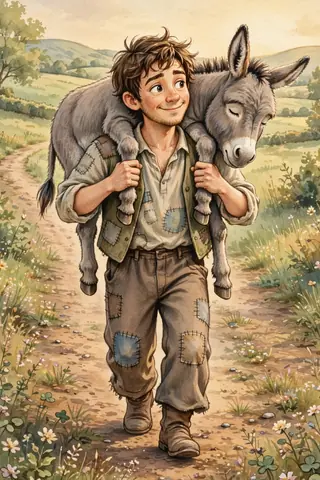
Jack el Perezoso
 B1
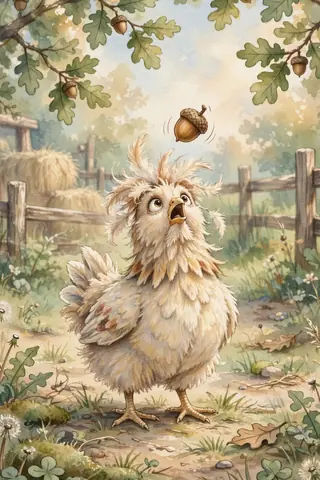
Henny-Penny
 B1
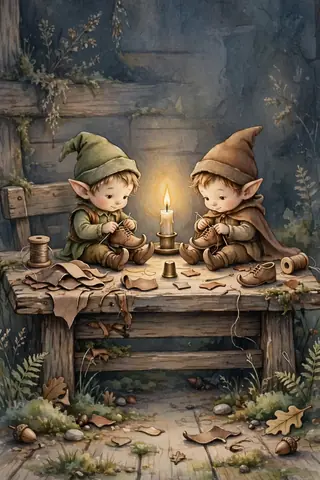
Los duendes y el zapatero
 B1
Horacio en el puente
 B2
Caperucita Roja
 B1
El Barco Blanco
 B1
Johnny-Cake
 B1
Titty Mouse y Tatty Mouse
 B1
La anciana y su cerdo
 B1
La historia de los tres cerditos
 B1
Corazones y manos
 B1
El cuento de los dos ratones malos
 B1
El cuento de Perico, el conejo travieso
 B1
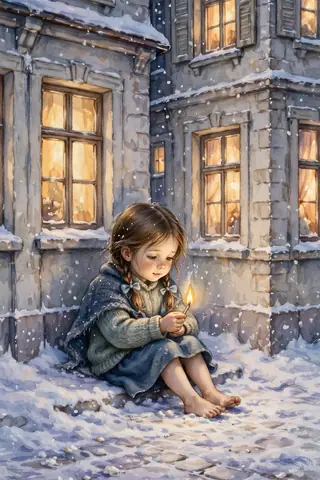
La pequeña cerillera
 B1
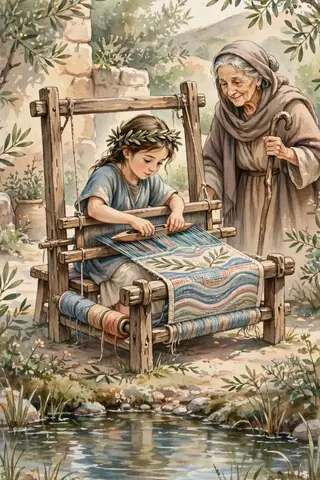
La maravillosa tejedora
 B1
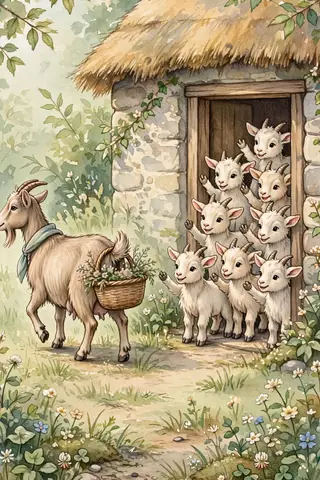
El lobo y los siete cabritos
 B2
La historia de una hora
 B1
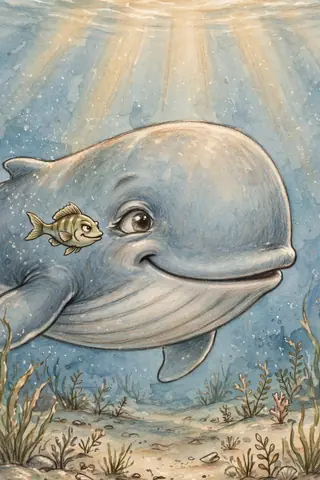
Cómo le salió la garganta a la Ballena
 B1
El diluvio
 B1
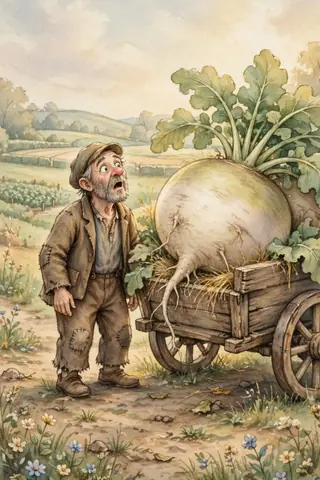
El nabo
 B1
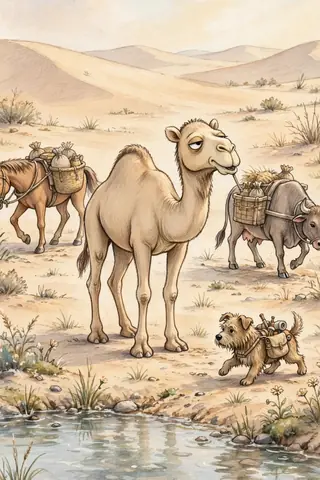
Cómo le salió la joroba al Camello
 B1
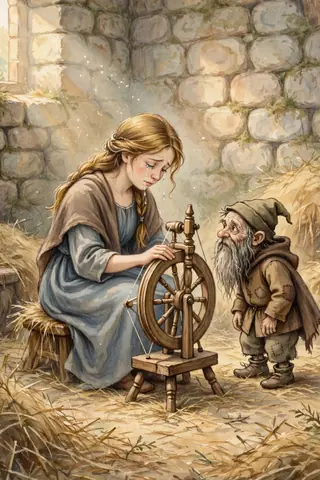
Rumpelstiltskin
 B1
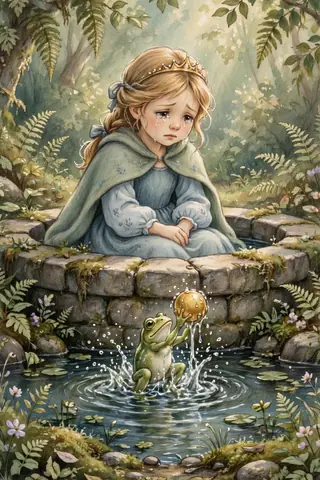
El príncipe rana
 B1
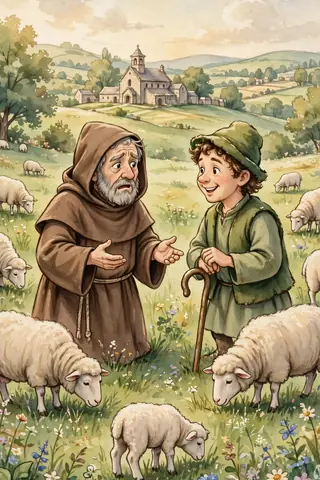
El rey Juan y el abad
 B1
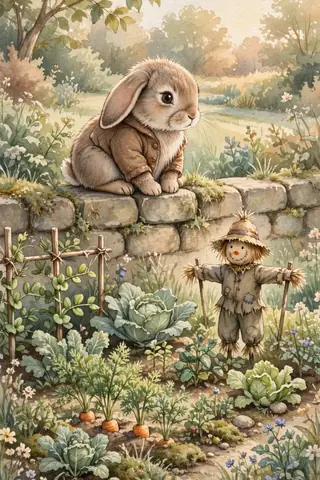
El cuento de Benjamín Conejo
 B1
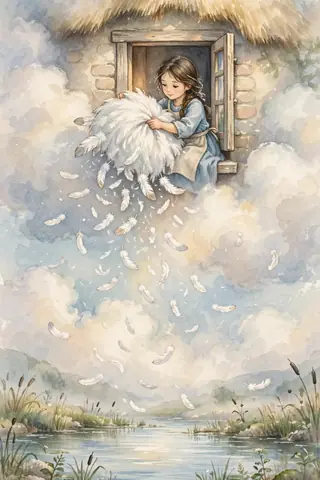
Madre Nieve
 B2
La ventana abierta
 B1
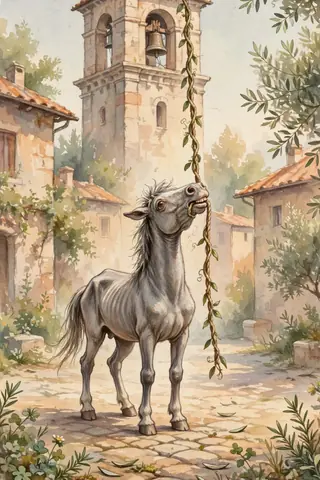
La campana de Atri
 B1
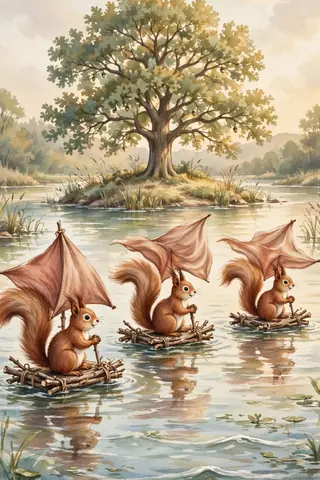
El cuento de la ardilla Nutkin
 B1
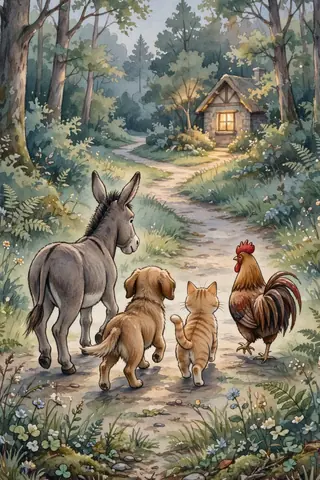
Los músicos de Bremen
 B1
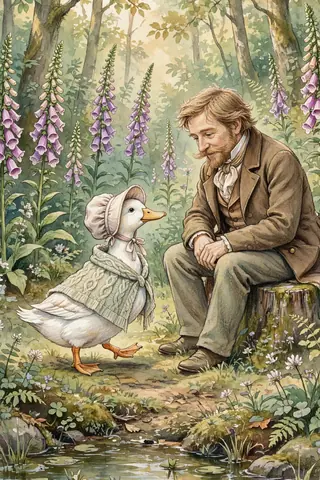
El cuento de Jemima Pato-Charco
 B1
Los tres bobos
 B1
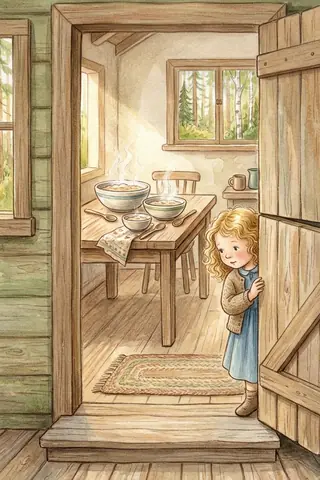
Ricitos de Oro y los tres osos
 B1
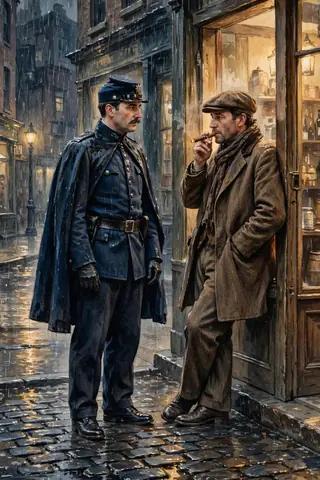
Después de veinte años
 B1
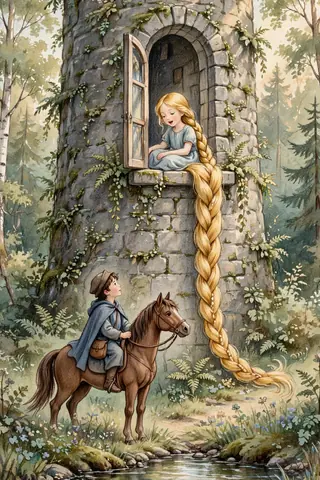
Rapunzel
 B1
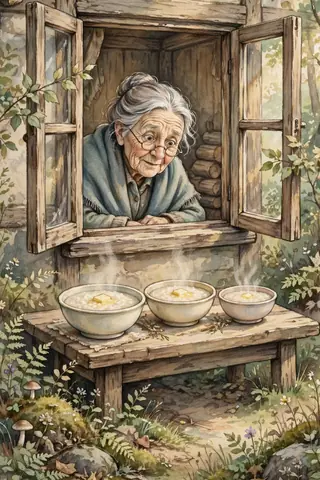
La historia de los tres osos
 B1
Caperucita Roja
 29B1
La ventana
 B1
Briar Rose
 24B1
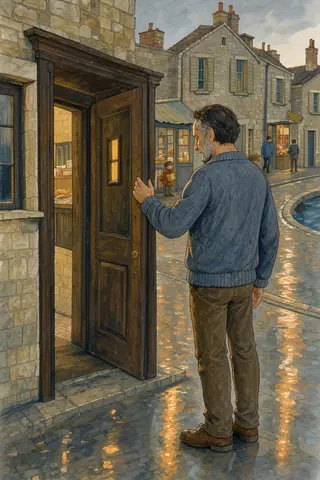
Trescientos panecillos
 27B1
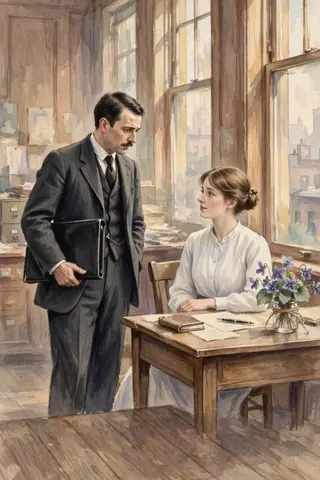
No es para mí
 B2
El romance de un agente de bolsa ocupado
 B1
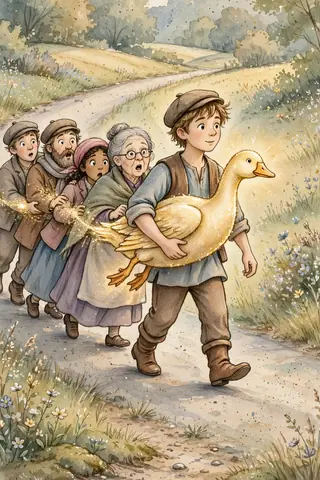
La oca de oro
 B1
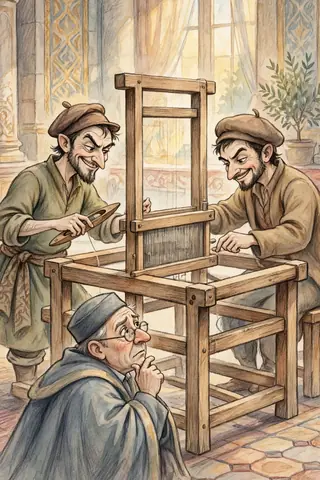
El traje nuevo del emperador
 B1
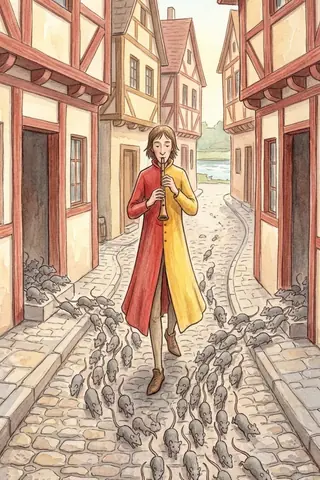
El flautista de Hamelín
 B1
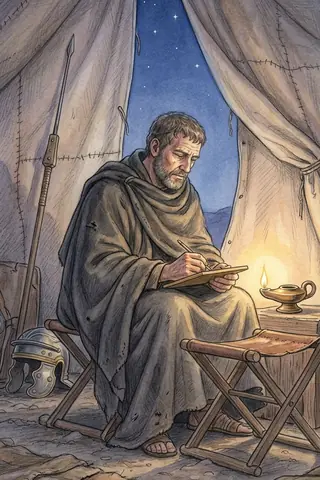
Marco Aurelio
 B1
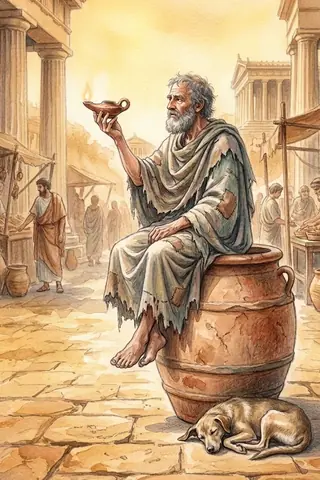
Diógenes de Sínope
 B1
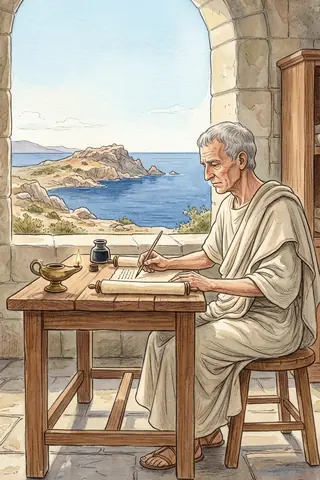
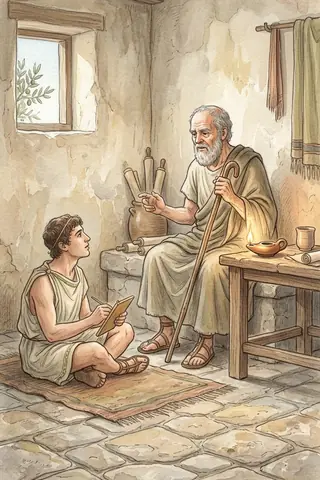
Séneca el romano
 B1
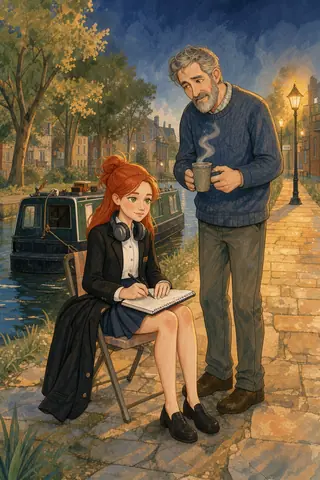
Epicteto el liberto
 28B1
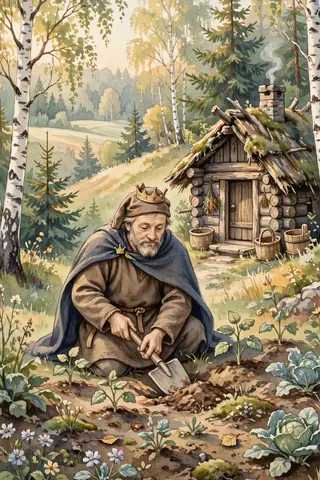
Dibujar barcos
 B1
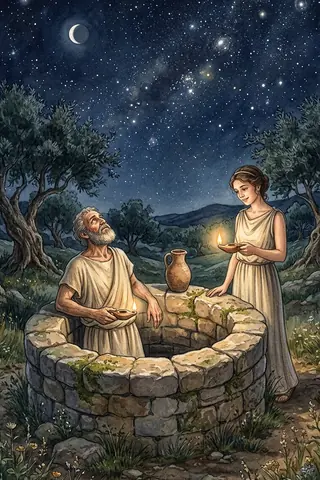
Las tres preguntas
 B1
Tales de Mileto
 B1
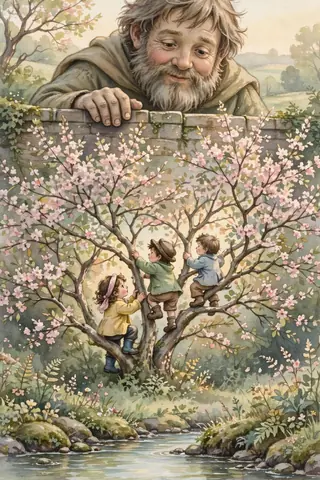
El gigante egoísta
 B1
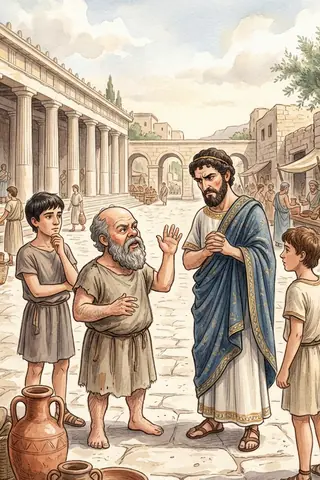
Sócrates de Atenas
 B1
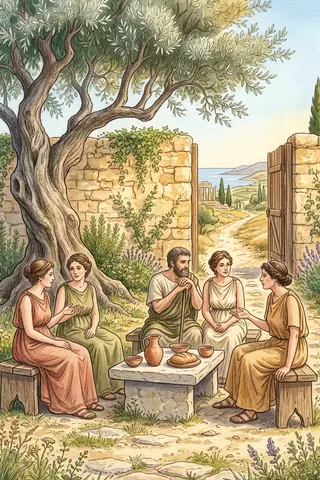
Epicuro de Samos
 B1
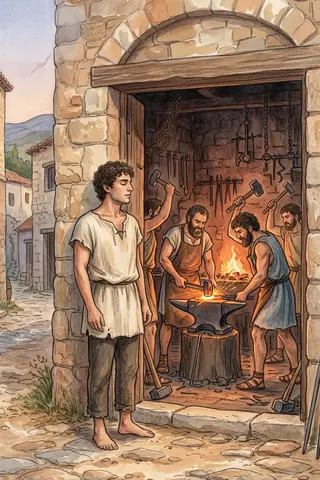
Pitágoras de Samos
 B1
Tom Tit Tot
 B1
Vanka
 30B1
Ella lo sabía
 25B1
La feria de invierno
 B1
La historia de Ío
 26B1
Una oferta
 B1
Heráclito de Éfeso
 22B1
Las llaves
 40B2
El escalón
 B1
La rueda bajo el árbol de tamarindo
 B1
Platón de Atenas
 23B1
En el escalón
 37B2
Doscientos diez mil
 33B2
Hacer las maletas
 10B1
Una razón para quedarse
 B1
El soldadito de plomo
 21B1
Un amigo llamado Mick
 31B2
Encima de la lavandería
 38B2
La parte de Priya
 4B1
El cartero
 8B1
Pues vete
 39B2
La última noche
 35B2
Las tres de la mañana
 2B1
La sacristía
 B2
El gato con botas
 9B1
Una columna sin nombres
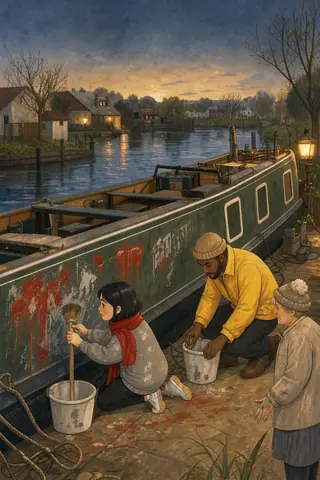 36B2
Pintura roja
 6B1
El piso encima de la farmacia
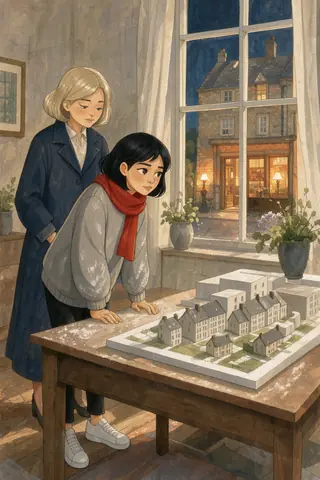 32B2
Número tres
 3B1
Dos manos
 B2
La historia del buen niño
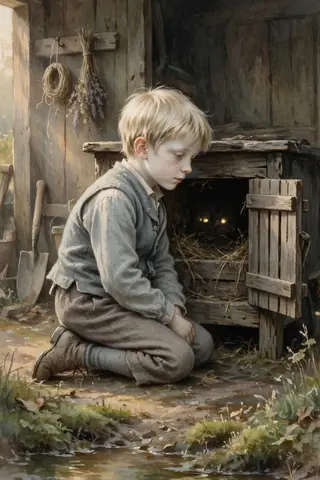 B2
Sredni Vashtar
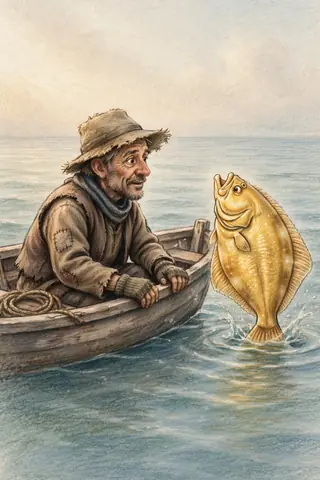 B1
El pescador y su mujer
 B1
La historia de Tom Thumb
 5B1
Cincuenta paquetes de papel
 34B2
Lo que de verdad pasó
 B2
El cuentacuentos
 7B1
La mesa de la cocina
 B2
Miss Brill
 B1
El artesano maravilloso
 B1
El mensaje de mañana
 1B1
Una maleta
 B1
Habitación 13
 B2
El regalo de los Reyes Magos
 B1
El jefe de correos
 4B2
El hombre junto al fuego
 B2
Los intrusos
 2B2
Las normas
 B1
No para Jonas
 B1
Paciencia de marea
 B2
El bebé de Désirée
 B1
Blancanieves
 B1
Aún no
 B2
El cuarto de los trastos
 8B2
La gran nevada
 5B2
Para W.
 B2
La Cenicienta o el zapatito de cristal
 7B2
El lado norte
 B1
Juan con suerte
 B1
El ruiseñor y la rosa
 1B2
La oferta
 10B2
Las llaves
 6B2
La condición
 3B2
Luces de trabajo
 B1
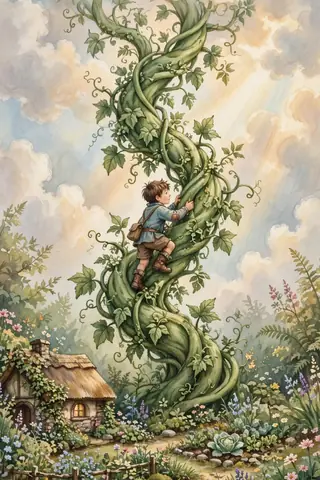
Jack y las habichuelas mágicas
 B2
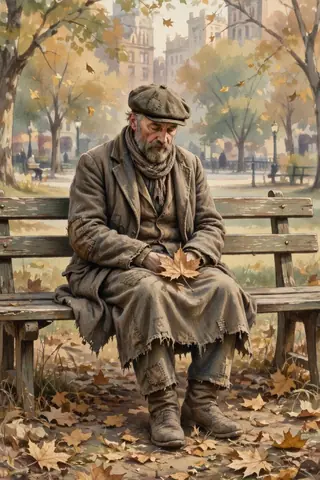
El policía y el himno
 B1
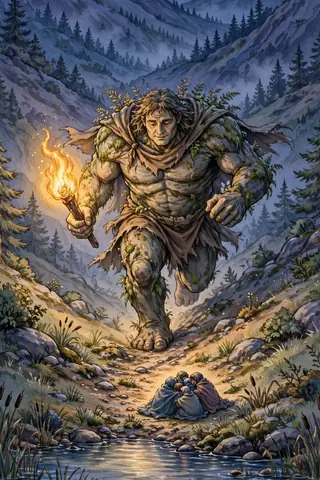
La historia de Prometeo
 B2
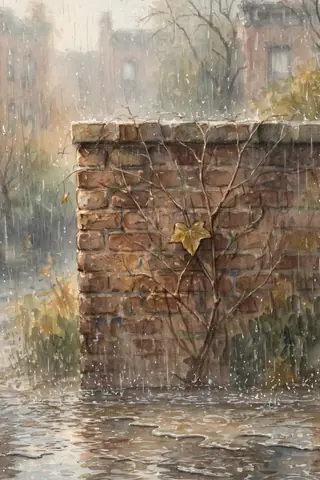
La última hoja
 B1
Ashputtel
 9B2
Segundo paso
 B1
Cadmo y Europa
 B1
El hijo del elefante
 B2
¿La dama o el tigre?
 B1
Hansel y Gretel
 B2
El collar
 B2
Los martes a las diez
 B2
Intermitente a la derecha
 B2
La apuesta
 B2
El semáforo de Kalamaja
 B2
El freno de San Rafael
 B2
Una reforma recuperada
 B1
El Cabuliwallah
 B1
Whittington y su gato
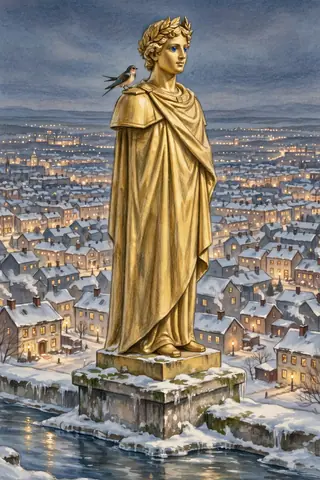 B1
El príncipe feliz
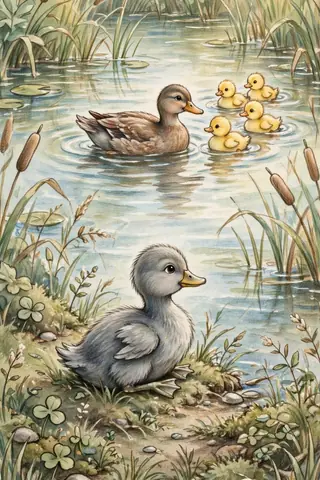 B1
El patito feo
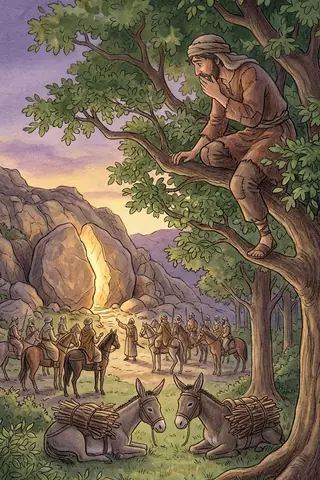 B2
Alí Babá y los cuarenta ladrones
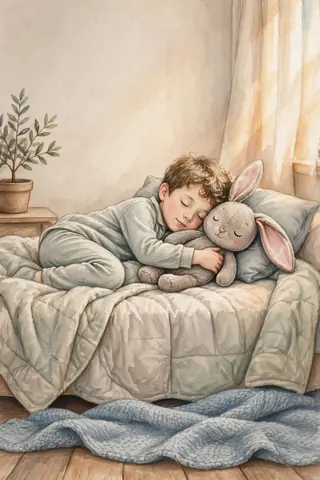 B1
El conejo de terciopelo
 B1
El gato que caminaba solo
 B2
La pata de mono
 B2
La tempestad
 B1
La tienda de magia
 B1
El amigo fiel
 B2
El cohete extraordinario
 B1
Pulgarcita
 B2
Aladino y la lámpara maravillosa
 B2
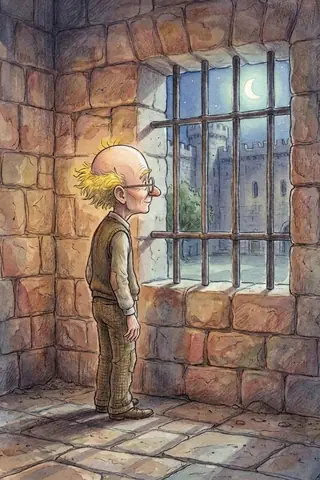
El problema de la celda 13
 B2
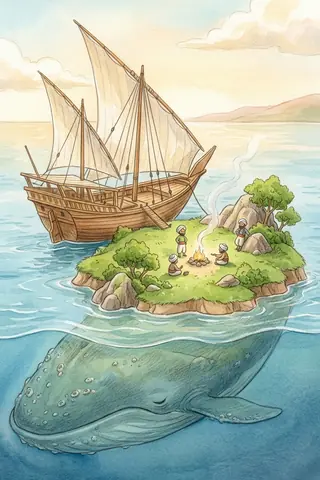
Simbad el marino
What intermediate Spanish stories are like
Intermediate stories are where reading gets rewarding. They are written for adults, with twists and irony (The Gift of the Magi, The Necklace, The Open Window), but short enough to finish in twenty minutes to half an hour.
The vocabulary is wider and the sentences longer than in a fable, and dialogue brings in everyday phrases that textbooks leave out. With the English next to each paragraph, none of that has to stop you.
How to read Spanish at B1–B2
Read in Spanish, check in English
At B1–B2 you can usually follow the Spanish on its own. Keep your eyes on it and look across only when a sentence doesn’t land, rather than reading both sides line by line.
Let the plot pull you
These stories were written to be enjoyed. If you want to know how it ends, you will read faster and remember more, so pick the one whose first page grabs you.
Notice the tenses
Stories are told in the past, and the Spanish past tenses carry meaning the English sometimes flattens. Comparing the two sides is the quickest way to feel the difference.
More on the method in how to read a parallel text.