Japanese · English · B1–B2
Intermediate Japanese short stories, side by side with English (B1–B2)
Real literature at a reachable level: O. Henry, Saki, Oscar Wilde, Chekhov and Maupassant in Japanese, with the English original beside every paragraph.
192 intermediate stories in Japanese, 189 of them free
Each one opens in your browser with no account, the Japanese and the English side by side, paragraph by paragraph, shortest first. Every free story is also a free Japanese–English ebook for Kindle, Kobo or any e-reader: downloading needs a free account, no payment (which file to pick).
Besides the classics, this level has stories from やさしい物語, original Japanese stories written for the library.
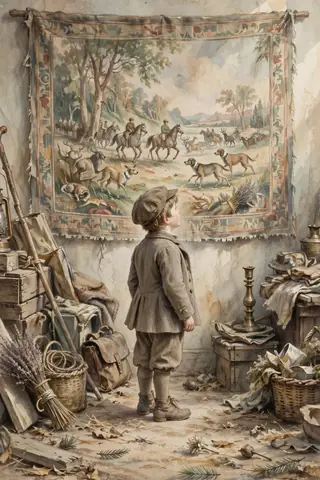
Besides the classics, this level has stories from 古代の哲学者, original Japanese stories written for the library.
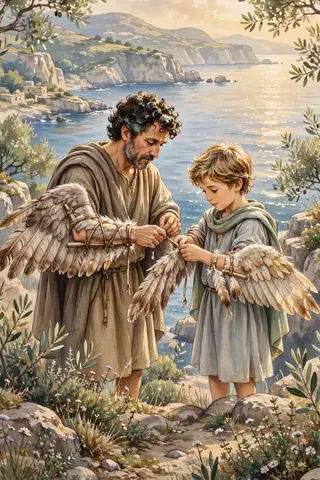
Besides the classics, this level has stories from 聖ニコラウスへの手紙, original Japanese stories written for the library.
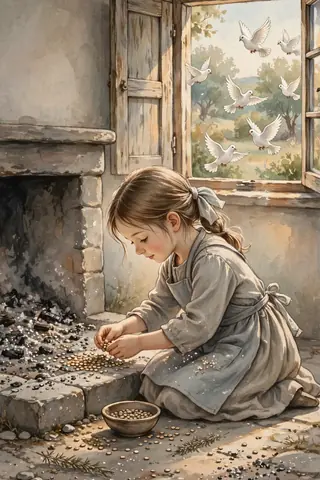
Besides the classics, this level has stories from 夜のパン屋, original Japanese stories written for the library.
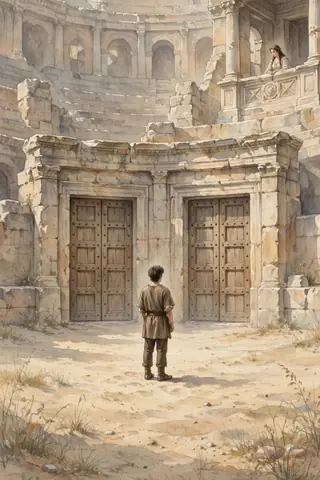
Besides the classics, this level has stories from 広場のマーケット, original Japanese stories written for the library.
Open the intermediate Japanese–English stories in the library, where you can search them and switch to another level or pair.
To listen as you read, see the Japanese stories with audio.
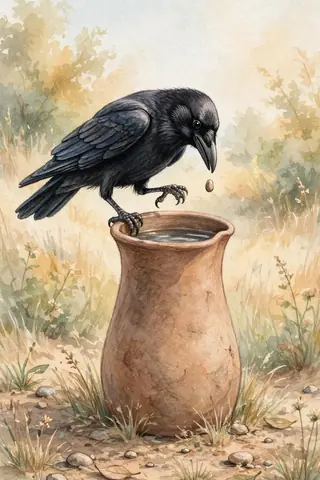 B1
カラスと水さし
 B1
羊の皮をかぶった狼
 B1
犬と自分の影
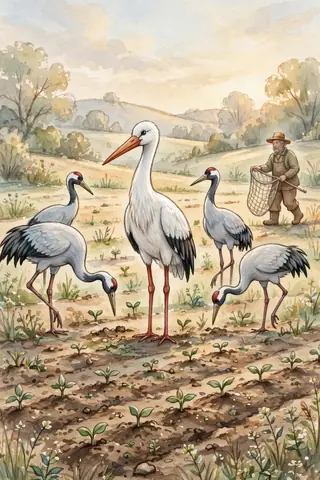 B1
農夫とコウノトリ
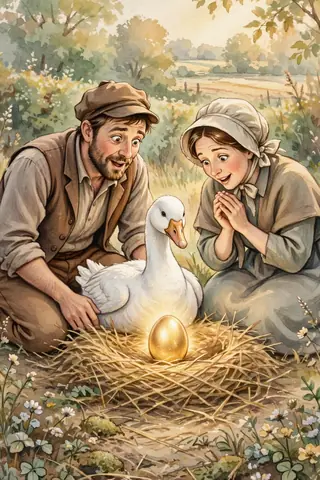 B1
ガチョウと金の卵
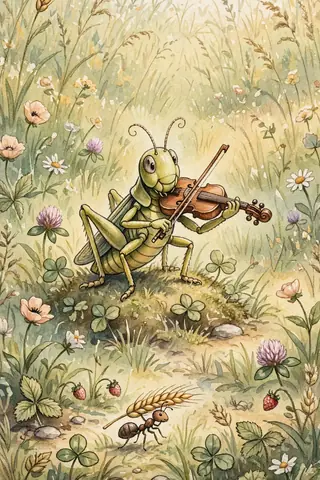 B1
アリとキリギリス
 B1
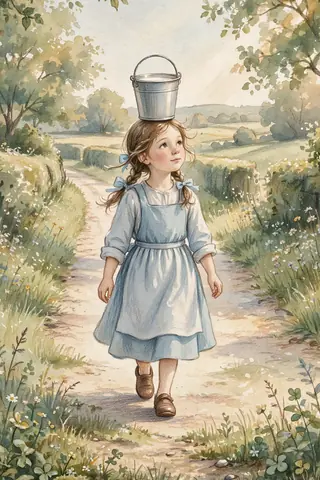
ミルクしぼりの娘とおけ
 B1
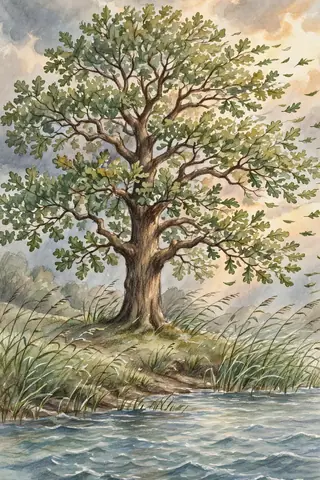
樫の木と葦
 B1
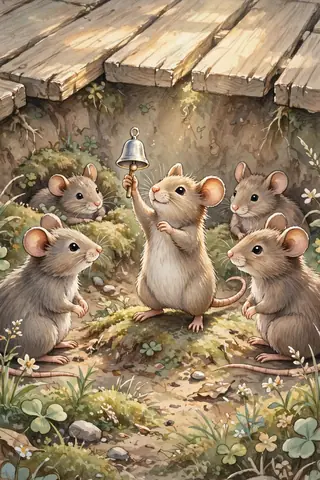
猫に鈴をつける話
 B1
キツネとブドウ
 B1
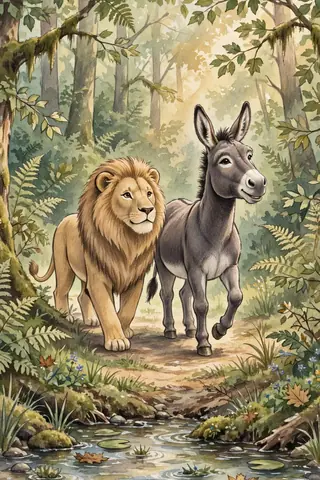
ライオンとロバ
 B1
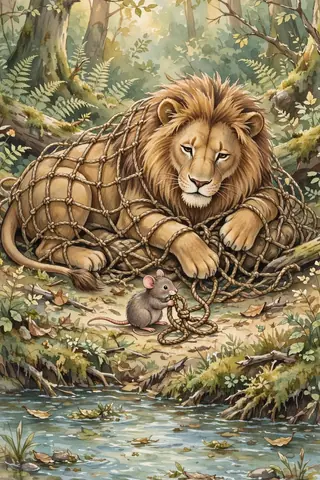
ライオンとネズミ
 B1
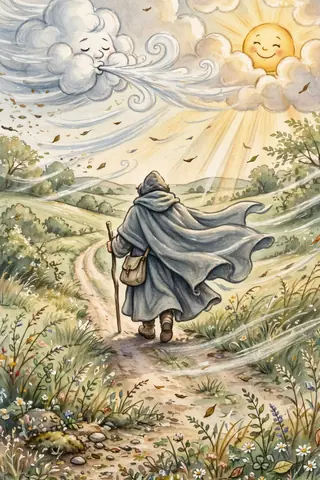
北風と太陽
 B1
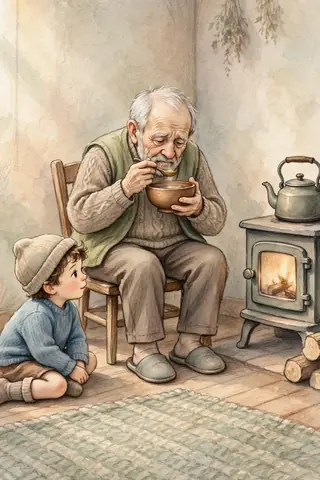
おじいさんと孫
 B1
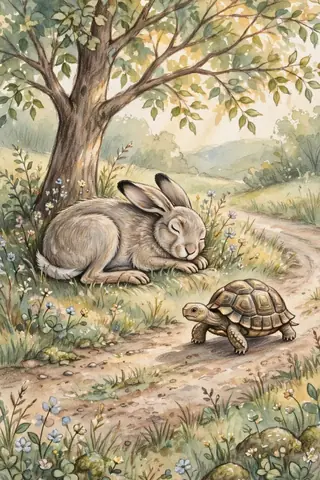
ウサギとカメ
 B1
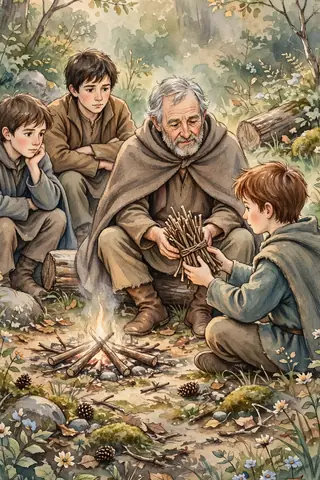
束ねた木の枝
 B1
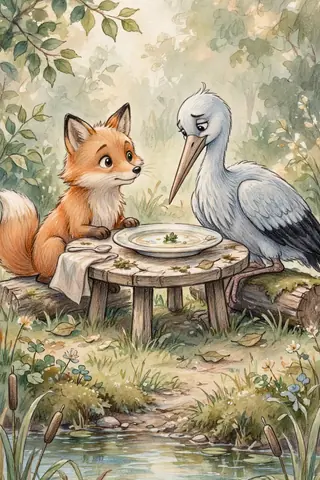
キツネとコウノトリ
 B1
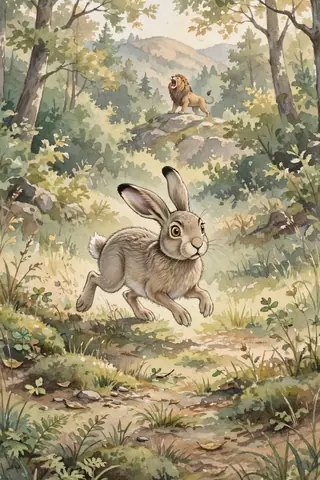
ウサギと自分の耳
 B1
オオカミとツル
 B1
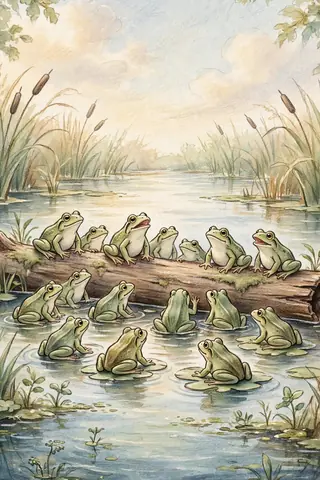
王様を欲しがったカエルたち
 B1
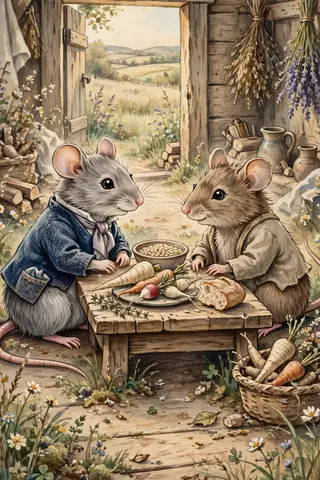
『町のネズミといなかのネズミ』
 B1
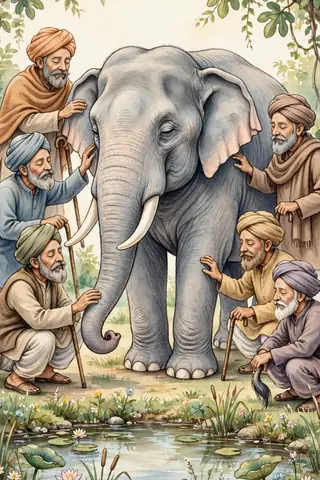
盲人と象
 B1
賢者ディオゲネス
 B1
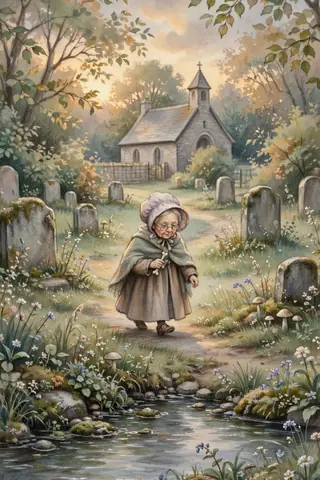
ちっちゃなちっちゃな
 B1
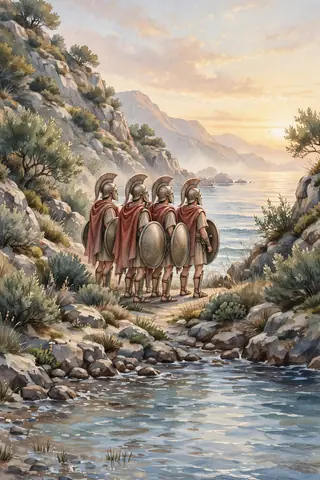
勇敢な三百人
 B1
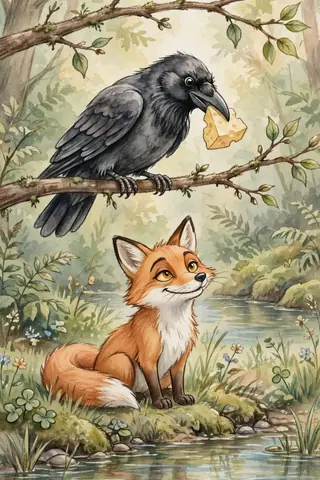
キツネとカラス
 B1
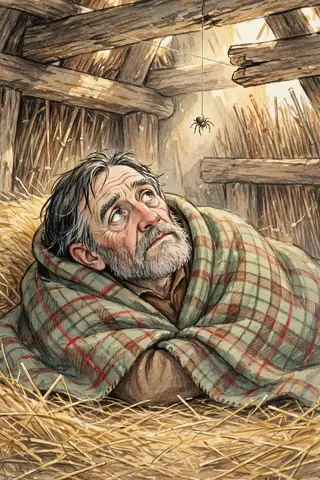
ブルースとクモ
 B1
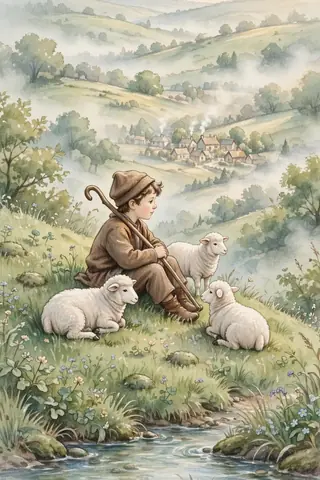
オオカミ少年
 B1
エンドウ豆の上に寝たお姫さま
 B1
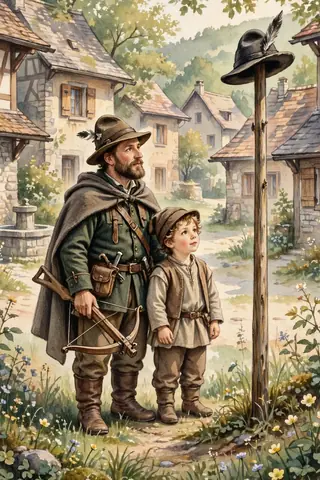
ウィリアム・テルの物語
 B1
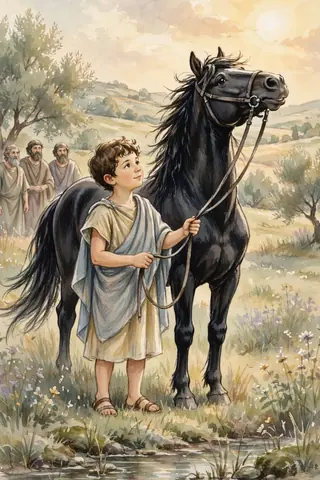
アレクサンダーとブケファラス
 B1
アルフレッド王とケーキ
 B2
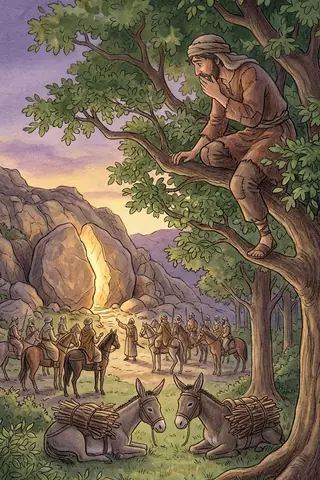
アリババと40人の盗賊
 B1
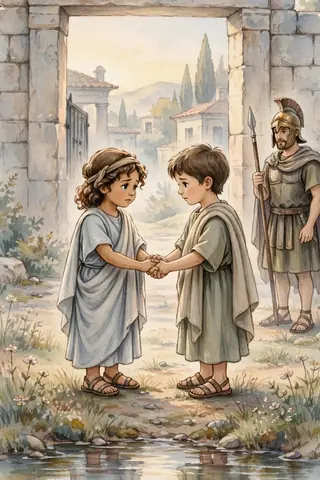
ダモンとピュシアス
 B1
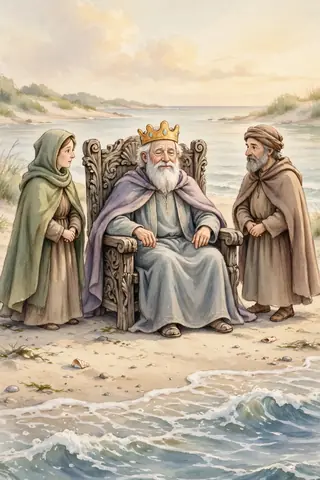
海岸のカヌート王
 B1
なまけもののジャック
 B1
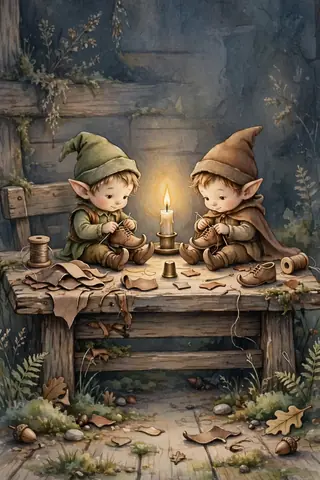
小人と靴屋
 B1
ダモクレスの剣
 B1
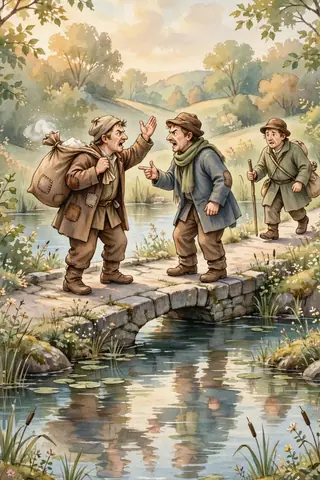
ゴッサムの三人
 B1
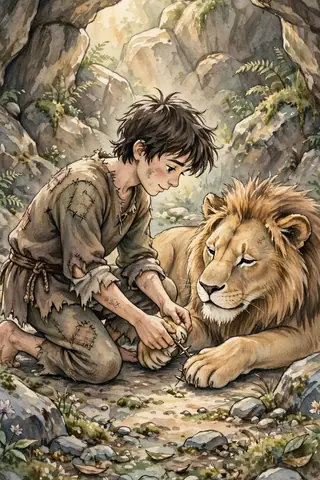
アンドロクルスとライオン
 B1
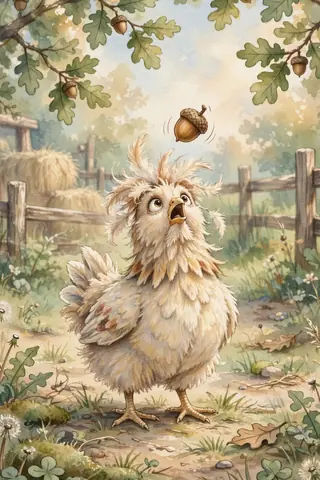
ヘニー・ペニー
 B1
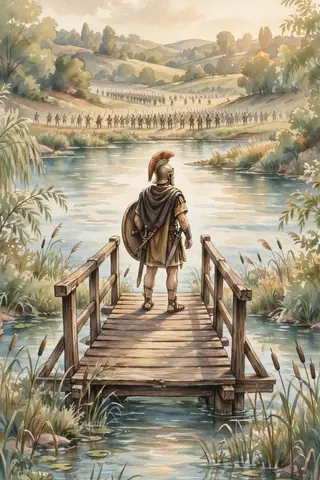
橋の上のホラティウス
 B1
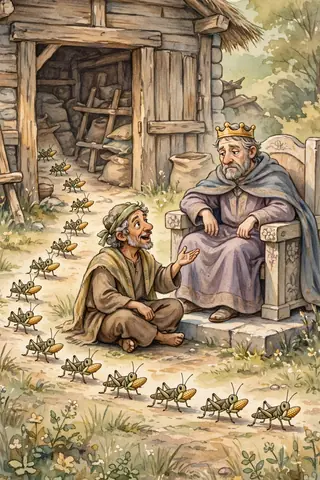
終わりのない物語
 B1
白い船
 B1
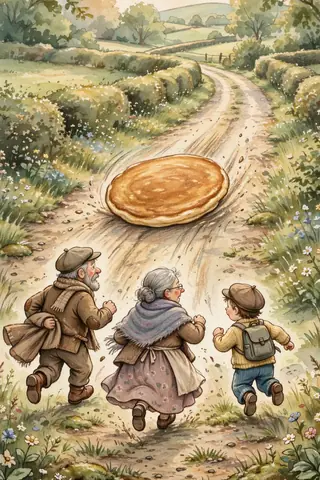
ジョニーケーキ
 24B1
『三百個のロールパン』
 B1
クジラののどはどうしてせまくなったか
 29B1
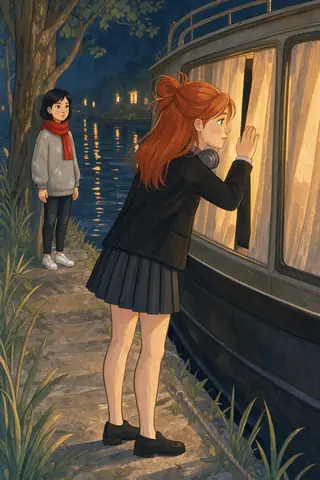
窓
 B1
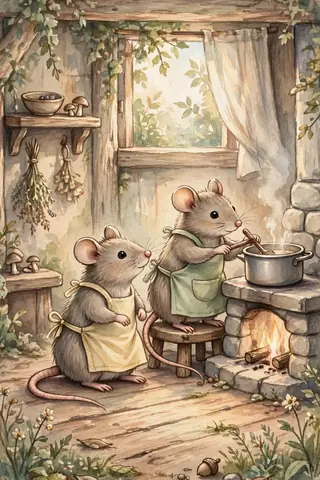
ティティ・マウスとタティ・マウス
 B1
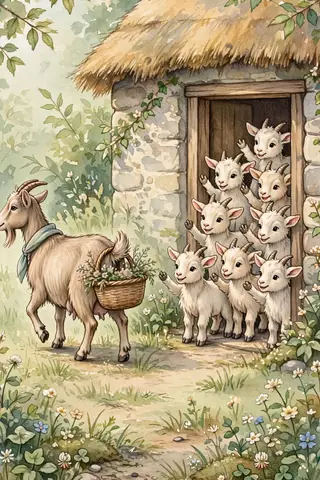
オオカミと七匹の子ヤギ
 36B2
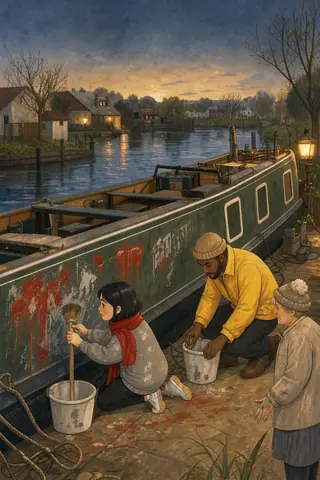
赤いペンキ
 B1
マッチ売りの少女
 26B1
ある申し出
 B1
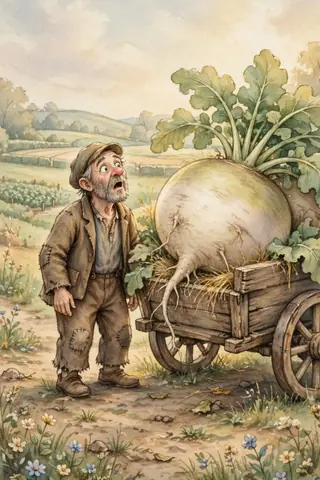
カブ
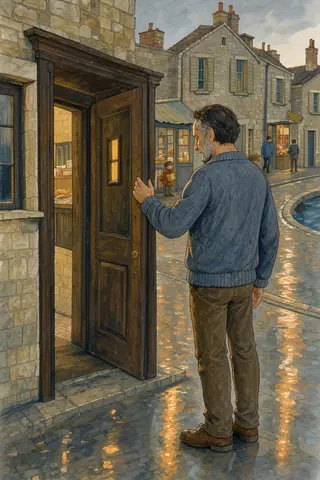 27B1
『わたしのためじゃない』
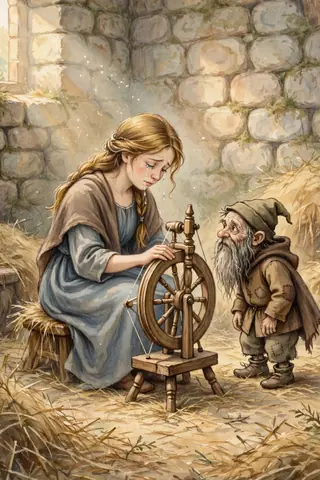 B1
ルンペルシュティルツヒェン
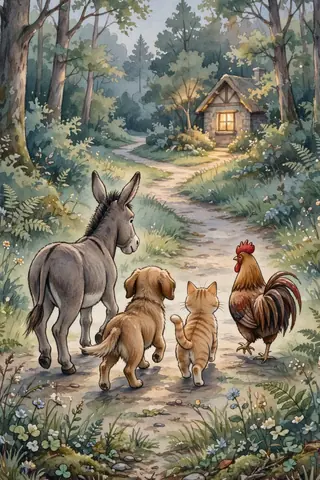 B1
音楽隊の旅
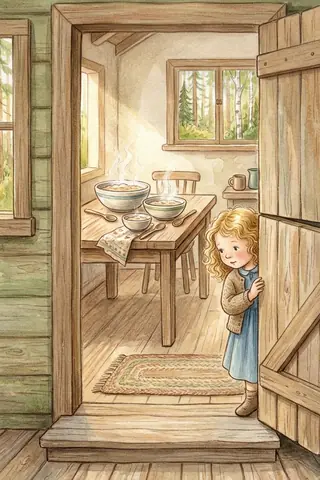 B1
ゴルディロックスと3びきのくま
 32B2
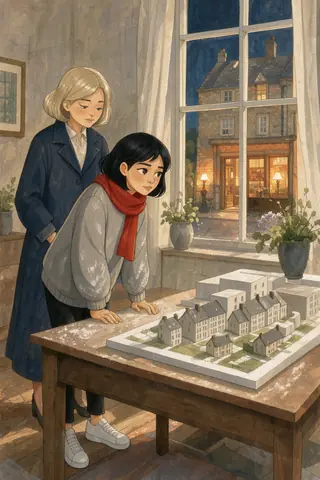
三番地
 35B2
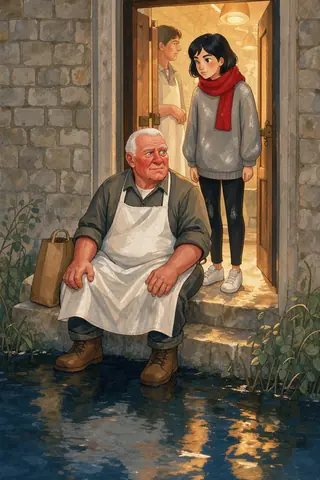
夜中の三時
 B1
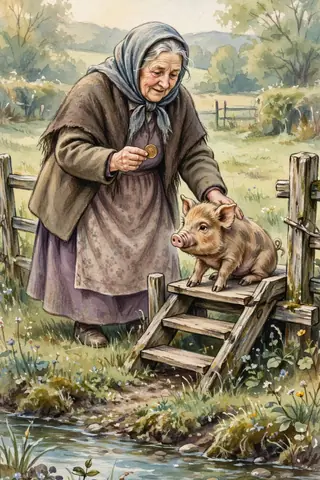
おばあさんとブタ
 B1
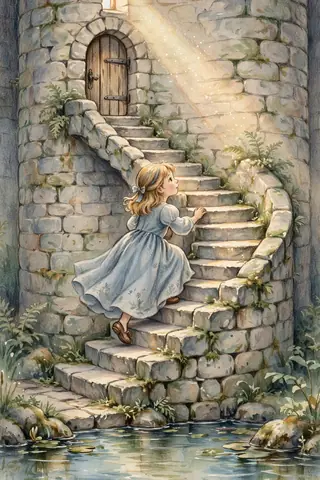
いばら姫
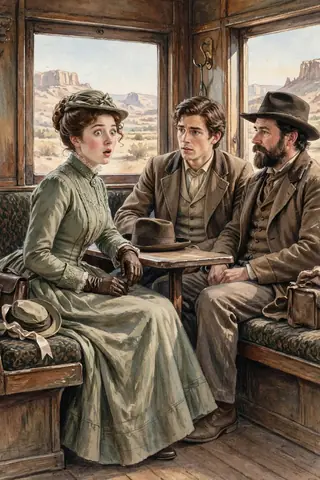 B1
心と手
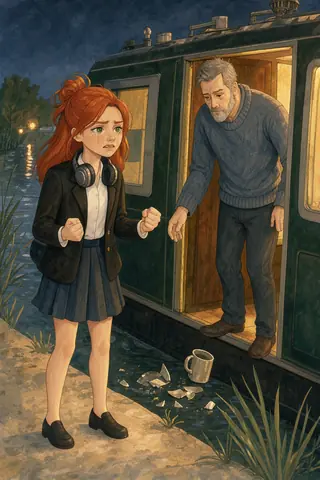 30B1
彼女は知っていた
 33B2
荷造り
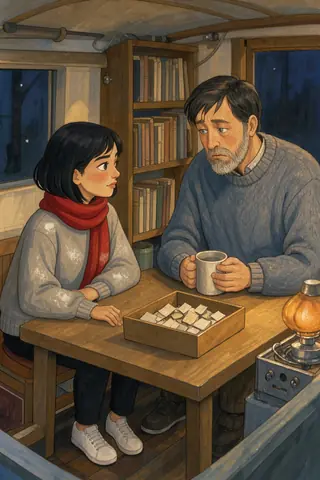 34B2
本当に起きたこと
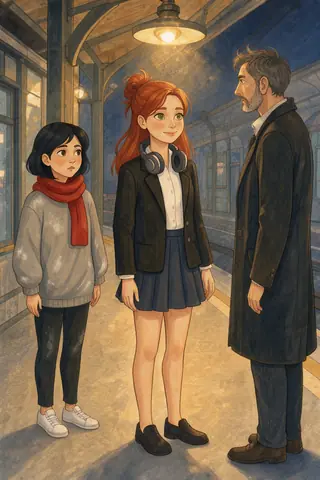 21B1
ミックという名の友だち
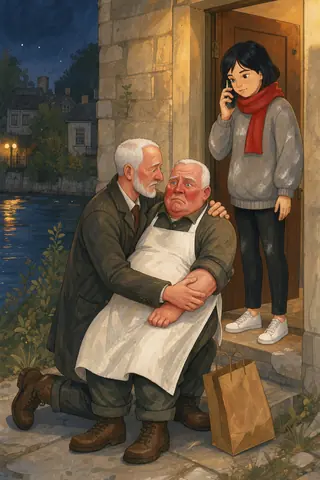 40B2
段差
 B1
大洪水
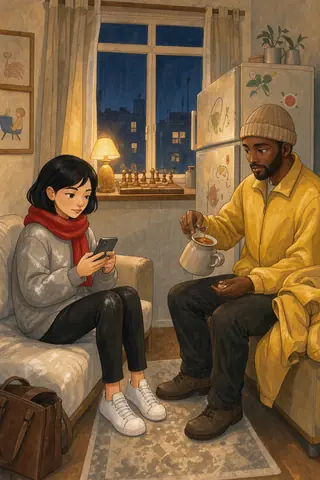 31B2
コインランドリーの上で
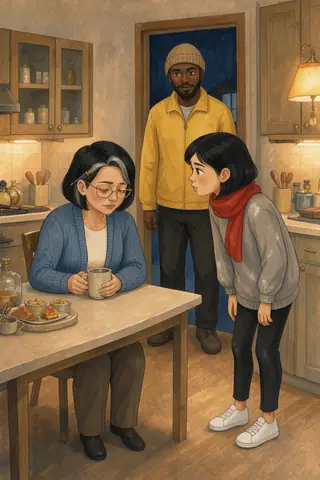 38B2
Priyaの役割
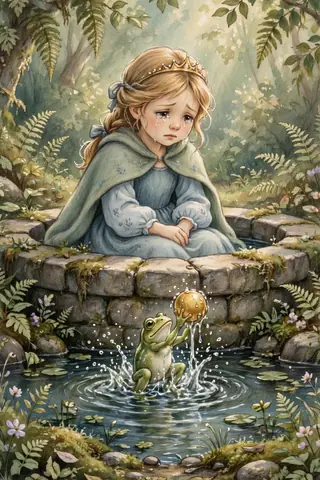 B1
かえるの王子
 B2
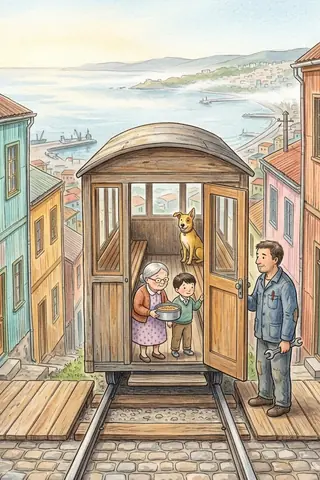
サン・ラファエルのブレーキ
 28B1
『船を描く』
 22B1
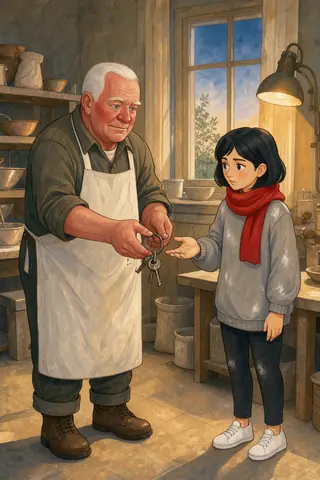
かぎ
 B2
ある一時間の物語
 B1
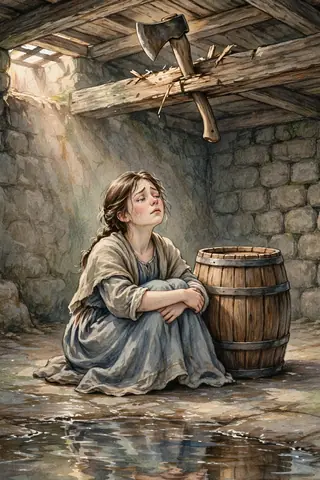
三人のばか者
 B1
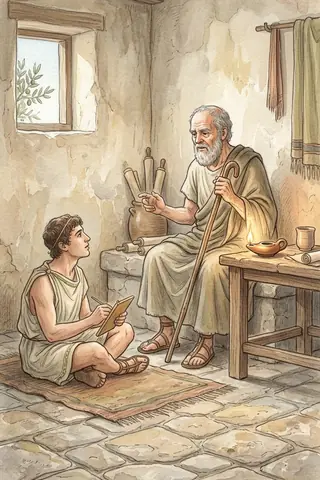
解放奴隷エピクテトス
 25B1
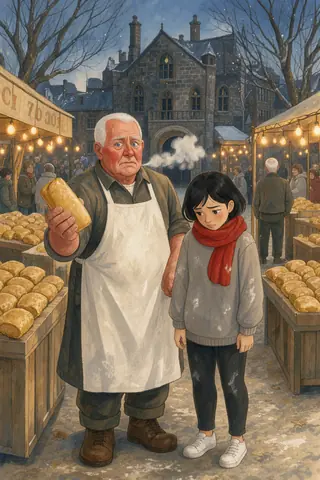
『冬の市』
 37B2
二十一万
 B1
『ピーターラビットのおはなし』
 B1
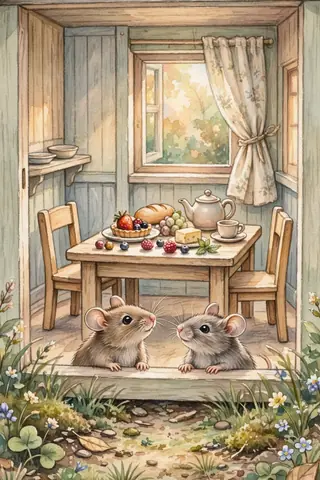
『二ひきのわるいねずみのおはなし』
 B1
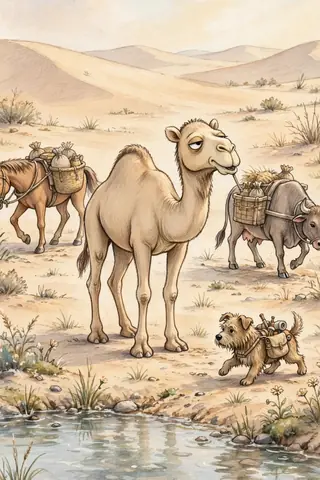
ラクダのこぶはどうしてできたか
 B1
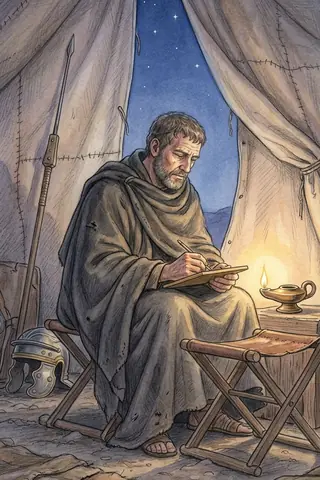
マルクス・アウレリウス
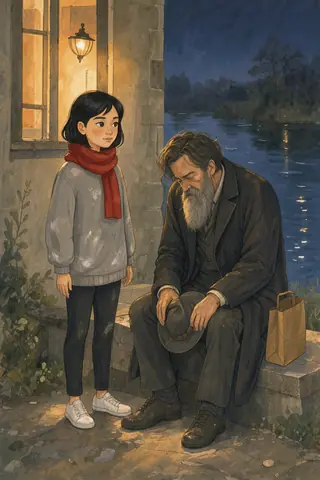 23B1
段の上で
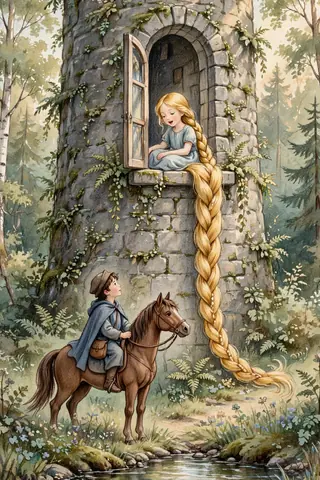 B1
ラプンツェル
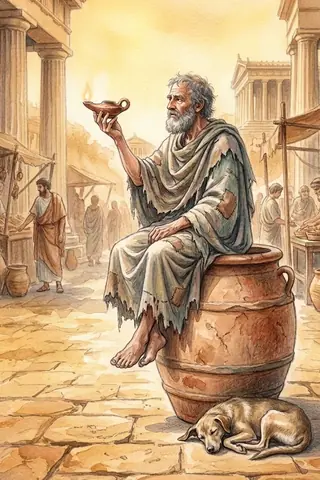 B1
シノペのディオゲネス
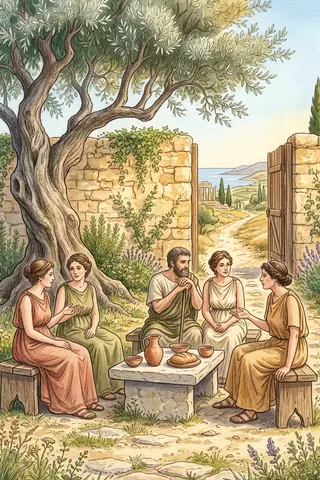 B1
サモスのエピクロス
 B2
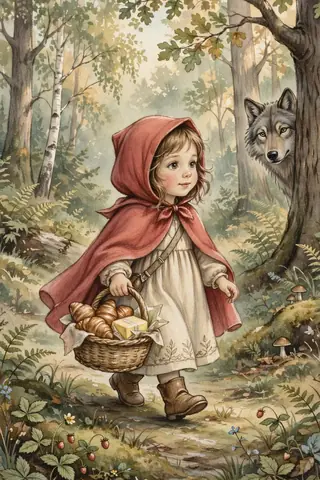
赤ずきん
 39B2
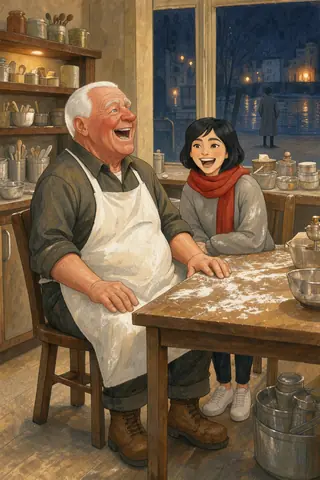
最後の夜
 B1
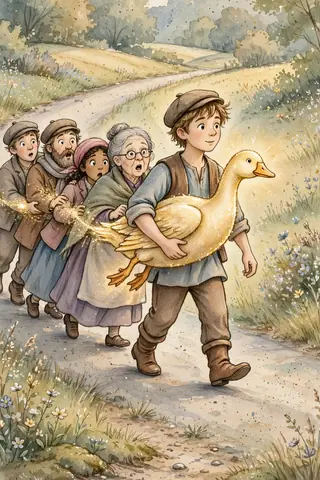
金のがちょう
 B2
開いた窓
 B1
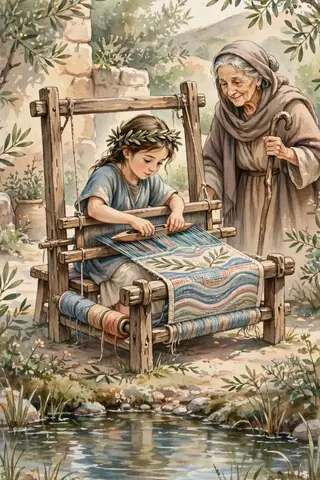
すばらしい機織り
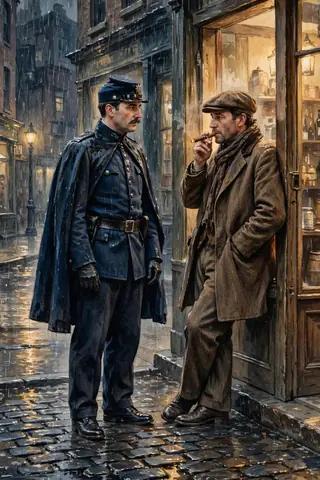 B1
『二十年後』
 B1
ホレおばさん
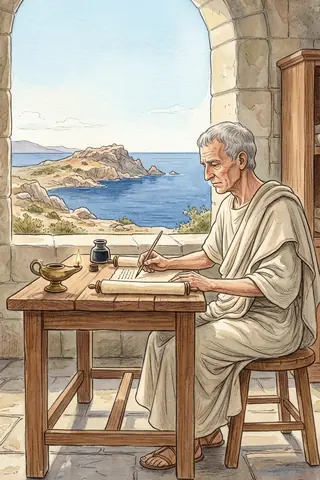 B1
ローマのセネカ
 10B1
残る理由
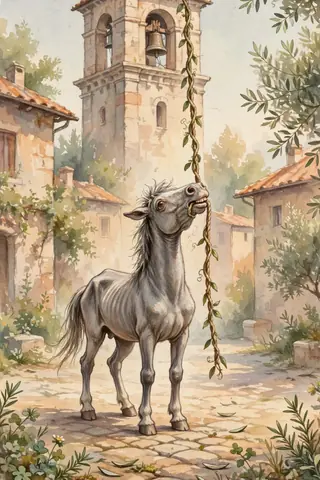 B1
アトリの鐘
 B1
エフェソスのヘラクレイトス
 B1
三つの問い
 B1
ジョン王と修道院長
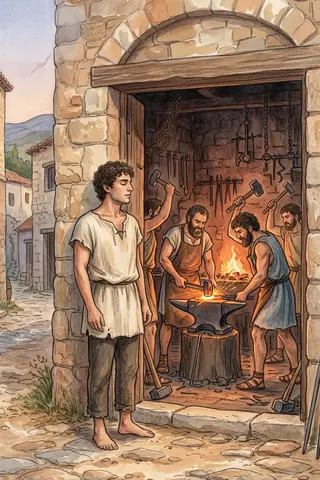 B1
サモスのピタゴラス
 B2
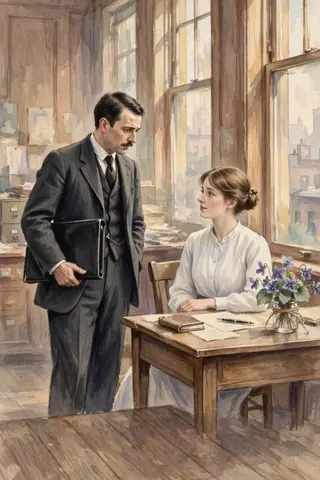
忙しい仲買人のロマンス
 B1
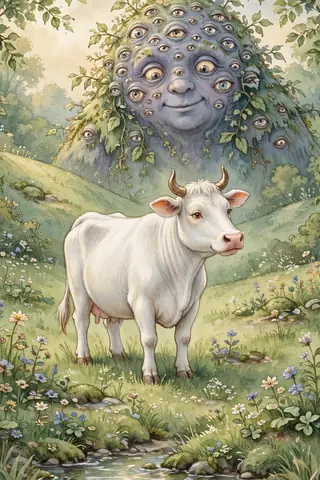
イオの物語
 B2
良い少年の物語
 B1
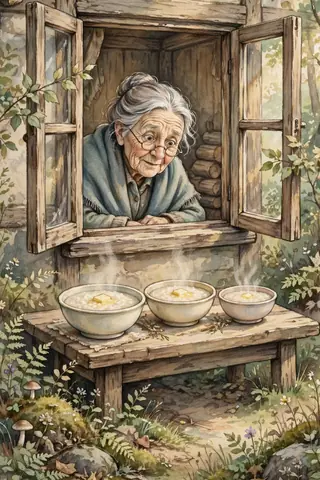
赤ずきん
 B1
『三びきのクマのお話』
 B1
さんびきのこぶたのお話
 B1
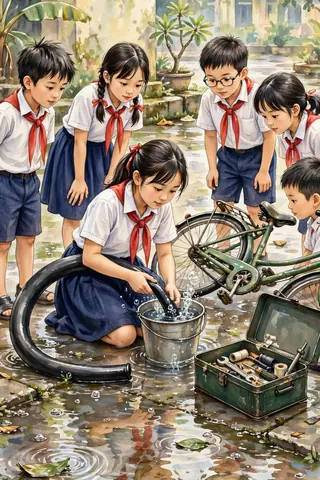
タマリンドの木の下のタイヤ
 8B1
行けばいい
 8B2
大雪
 9B1
名前のないコラム
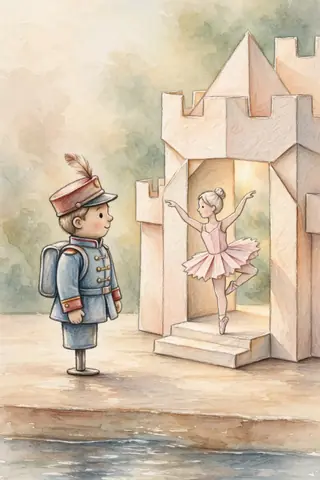 B1
しっかり者のすずの兵隊
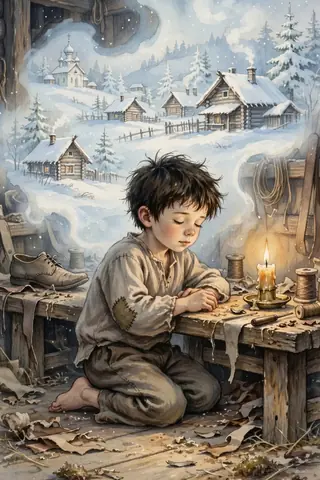 B1
『ワーニカ』
 B2
右ウインカー
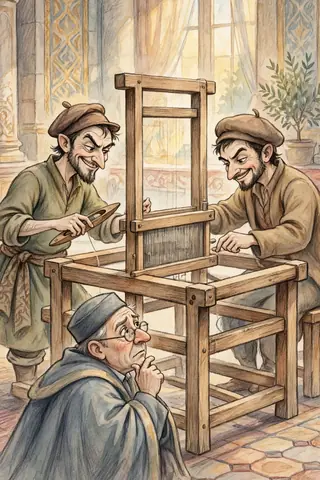 B1
はだかの王様
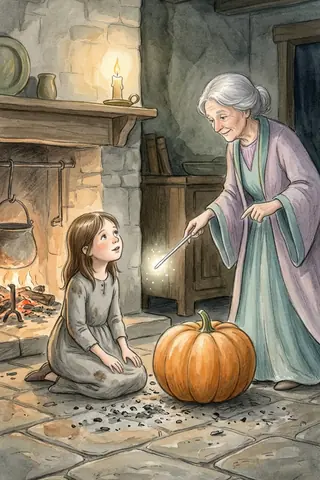 B2
シンデレラ、または小さなガラスの靴
 6B1
薬局の上の部屋
 B1
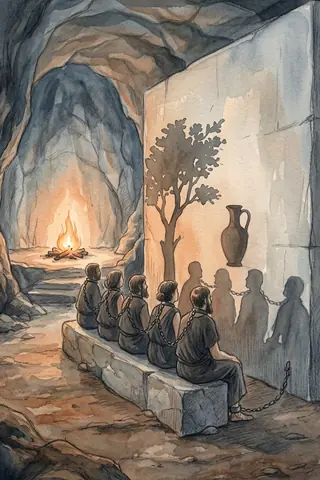
アテネのプラトン
 B1
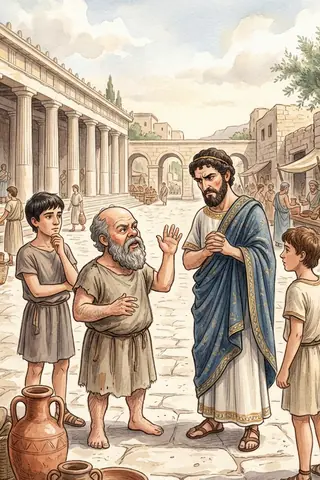
アテネのソクラテス
 B1
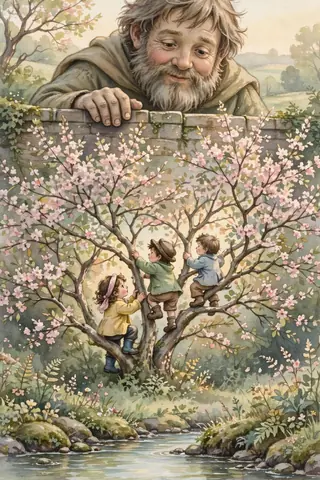
わがままな大男
 B2
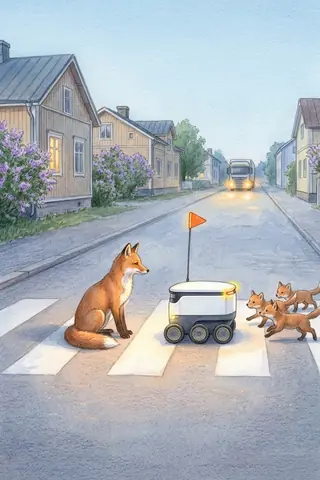
カラマヤの信号機
 B1
親指トミーの物語
 B1
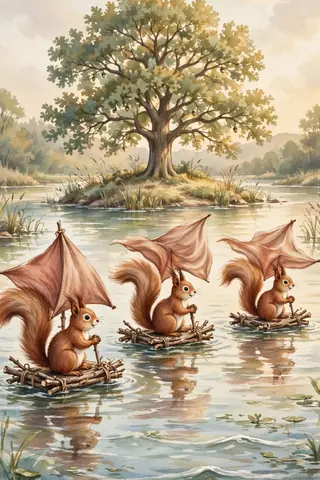
『リスのナトキンのおはなし』
 7B1
台所のテーブル
 B2
スレドニ・ヴァシュター
 5B2
Wのために
 B2
長靴をはいた猫
 B1
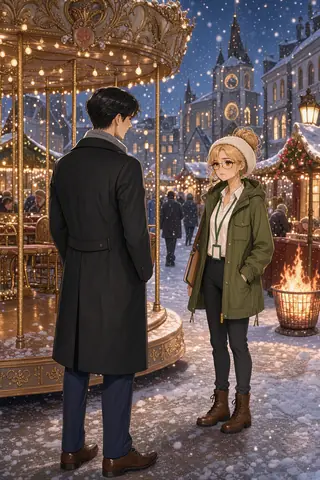
ハーメルンの笛吹き男
 10B2
鍵
 B1
ミレトスのタレス
 6B2
条件
 B1
ベンジャミン・バニーのおはなし
 2B1
聖具室
 3B1
二つの手
 B1
ジマイマ・パドルダックのおはなし
 B1
幸運のハンス
 5B1
五十パックの紙
 3B2
作業灯
 B1
すばらしい職人
 7B2
北側
 9B2
ステップ2
 B1
『郵便局長』
 B2
物置部屋
 B1
アシュプッテル
 4B1
郵便配達の人
 1B1
一つのスーツケース
 B2
ミス・ブリル
 B2
闖入者たち
 B2
美女か、野獣か?
 B1
ヨナスにはまだ
 B2
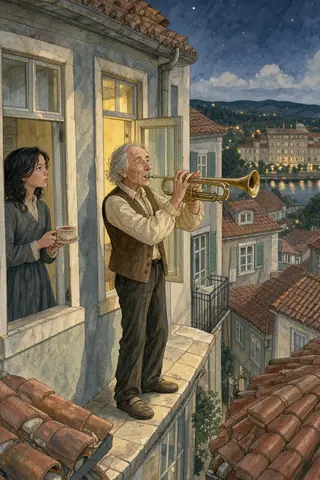
賢者の贈り物
 B1
十時半の四つの音
 4B2
火のそばの男
 1B2
申し出
 B2
デジレの赤ん坊
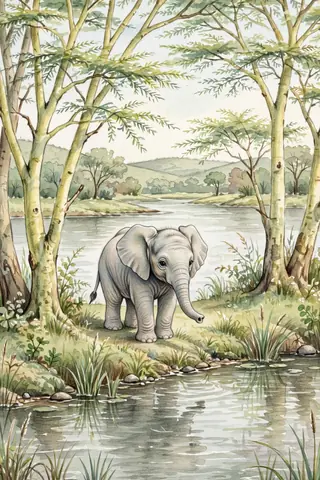 B1
ゾウの子
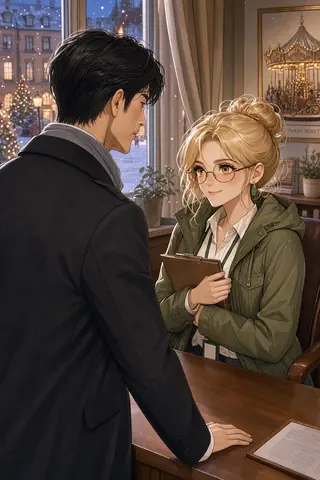 2B2
規則
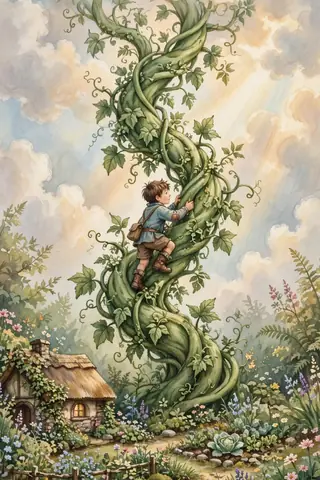 B1
ジャックと豆の木
 B1
スノードロップ
 B1
漁師とその妻
 B1
プロメテウスの物語
 B2
語り手
 B1
ヘンゼルとグレーテル
 B1
13号室
 B1
ナイチンゲールとバラ
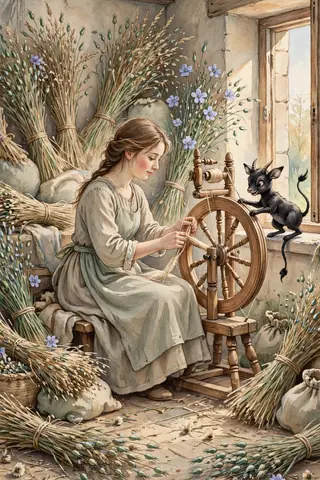 B1
トム・ティット・トット
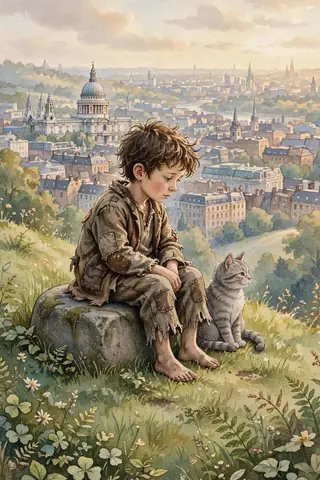 B1
ウィッティントンとネコ
 B2
警官と賛美歌
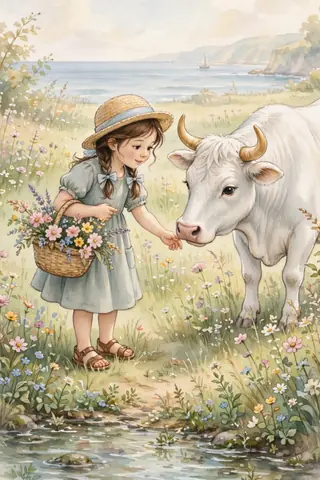 B1
カドモスとエウロペ
 B2
最後の一葉
 B2
賭け
 B2
火曜日の十時に
 B1
明日のメッセージ
 B1
まだ
 B1
カブールから来た商人
 B1
『ひとりで歩いたねこ』
 B2
よみがえった改心
 B1
幸福な王子
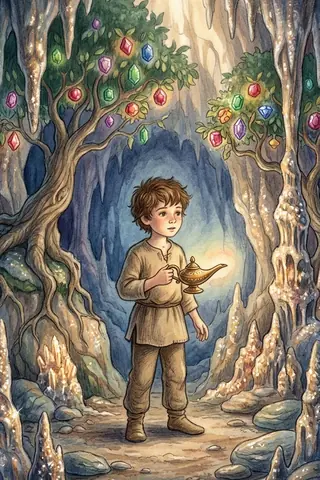 B2
アラジンと魔法のランプ
 B1
みにくいアヒルの子
 B2
テンペスト(シェイクスピア物語)
 B1
おやゆび姫
 B1
ビロードのうさぎ
 B1
潮の忍耐
 B2
首飾り
 B1
『献身的な友だち』
 B1
『まほうの店』
 B2
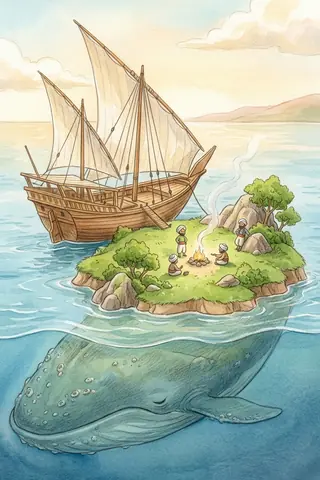
船乗りシンドバッド
 B2
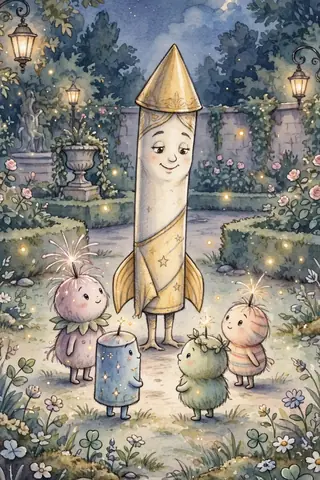
すばらしいロケット花火
 B2
猿の手
 B2
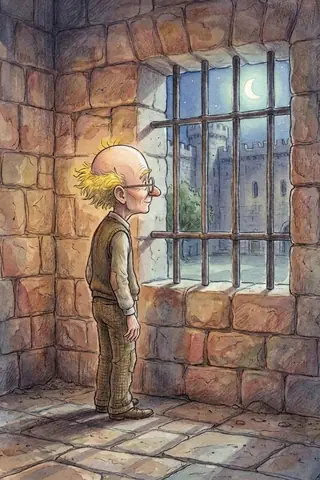
13号独房の問題
What intermediate Japanese stories are like
Intermediate stories are where reading gets rewarding. They are written for adults, with twists and irony (The Gift of the Magi, The Necklace, The Open Window), but short enough to finish in twenty minutes to half an hour.
The vocabulary is wider and the sentences longer than in a fable, and dialogue brings in everyday phrases that textbooks leave out. With the English next to each paragraph, none of that has to stop you.
How to read Japanese at B1–B2
Read in Japanese, check in English
At B1–B2 you can usually follow the Japanese on its own. Keep your eyes on it and look across only when a sentence doesn’t land, rather than reading both sides line by line.
Let the plot pull you
These stories were written to be enjoyed. If you want to know how it ends, you will read faster and remember more, so pick the one whose first page grabs you.
Notice the tenses
Stories are told in the past, and the Japanese past tenses carry meaning the English sometimes flattens. Comparing the two sides is the quickest way to feel the difference.
More on the method in how to read a parallel text.