Tiếng Việt · English
Learn Vietnamese with short stories
Read Vietnamese books with English alongside, or English books with Vietnamese alongside: the original and the translation side by side, paragraph by paragraph.
Free Vietnamese–English stories and ebooks
Stories to read in Vietnamese, with the English beside each paragraph. They open in the browser, with no account needed, and each one is also a free Vietnamese–English ebook for Kindle, Kobo or any e-reader: downloading needs a free account, no payment (which file to pick).
Open the Vietnamese–English library, where you can search the stories and filter them by level.
By level:
- Beginner (A1–A2): Easy Vietnamese short stories for beginners, with English translation · 61 stories
- Intermediate (B1–B2): Intermediate Vietnamese short stories, side by side with English · 139 stories
- Advanced (C1–C2): Advanced Vietnamese stories, with the English alongside · 13 stories
- B2

Sự hối cải được chuộc lại
A Retrieved Reformation
O. Henry · Vietnamese · 25 min
- A2
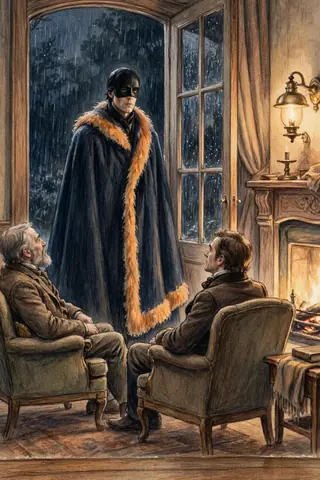
Vụ tai tiếng ở Bohemia
A Scandal in Bohemia
Arthur Conan Doyle · retold · Vietnamese · 1 h 45 min
- A2

Chiếc nhẫn tình cờ
A Study in Scarlet
Arthur Conan Doyle · retold · Vietnamese · 8 h
- B1

Sau hai mươi năm
After Twenty Years
O. Henry · Vietnamese · 15 min
- B1
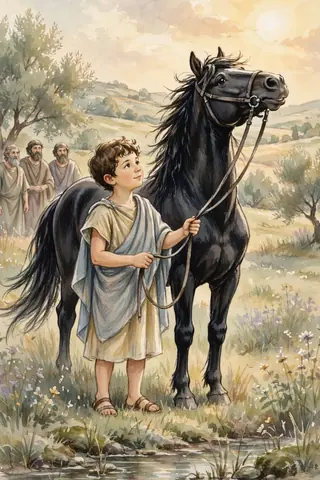
Alexander và Bucephalus
Alexander and Bucephalus
James Baldwin (1841–1925) · Vietnamese · 5 min
- C1

Biến cố ở cầu Owl Creek
An Occurrence at Owl Creek Bridge
Ambrose Bierce · Vietnamese · 30 min
- B1
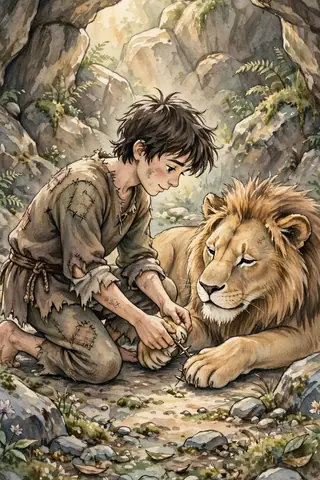
Androclus và chú sư tử
Androclus and the Lion
James Baldwin (1841–1925) · Vietnamese · 5 min
- A2
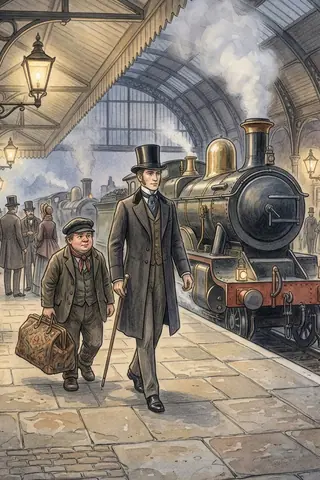
Tám mươi ngày vòng quanh thế giới
Around the World in 80 Days
Jules Verne · retold · Vietnamese · 9 h
- B1

Ashputtel
Brothers Grimm · Vietnamese · 25 min
- A2#3

Ở phòng khám bác sĩ
At the Doctor’s
Trò chuyện thường ngày · Episode 3 · Vietnamese · 10 min
DuoText original - C2
Bartleby, Người chép đơn
Bartleby the Scrivener
Herman Melville · Vietnamese · 2 h
- B1
Đeo chuông cho mèo
Belling the Cat
Aesop · Vietnamese · 5 min
- A1

Ben và chiếc ô màu vàng
Ben and the Yellow Umbrella
Những câu chuyện đầu tiên · Vietnamese · 10 min
DuoText original - B1

Hồng Gai
Briar Rose
Brothers Grimm · Vietnamese · 15 min
- B1
Bruce và con nhện
Bruce and the Spider
James Baldwin (1841–1925) · Vietnamese · 5 min
- A1

Brumm đi tàu hoả
Brumm Takes the Train
Những câu chuyện đầu tiên · Vietnamese · 10 min
DuoText original - A1
Bruno và việc tắm rửa
Bruno and the Bath
Những câu chuyện đầu tiên · Vietnamese · 10 min
DuoText original - A1

Bruno và những cây xúc xích
Bruno and the Sausages
Những câu chuyện đầu tiên · Vietnamese · 10 min
DuoText original - B1

Cadmus và Europa
Cadmus and Europa
James Baldwin (1841–1925) · Vietnamese · 30 min
- B1
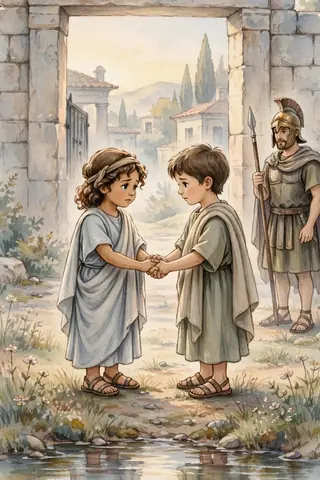
Damon và Pythias
Damon and Pythias
James Baldwin (1841–1925) · Vietnamese · 5 min
- A2

Ngôi nhà biết lắng nghe
The House That Listens
Truyện đơn giản · Vietnamese · 15 min
DuoText original - A2

Ánh sáng trong hồ
The Light in the Lake
Truyện đơn giản · Vietnamese · 15 min
DuoText original - A2
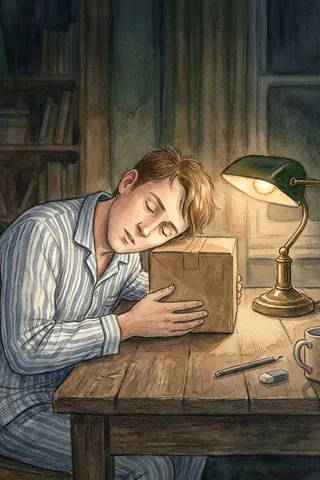
Gói hàng cho bà Wagner
The Parcel for Mrs Wagner
Truyện đơn giản · Vietnamese · 15 min
DuoText original - A1

Chiếc xe đạp màu đỏ
The Red Bicycle
Những câu chuyện đầu tiên · Vietnamese · 10 min
DuoText original - A1
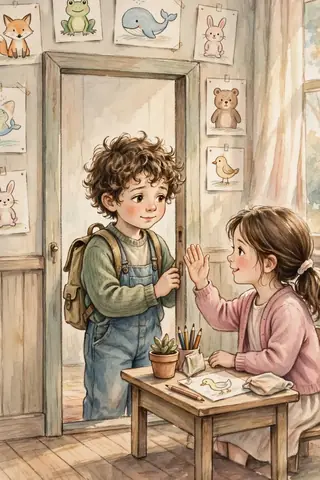
Cậu bé mới
The New Boy
Những câu chuyện đầu tiên · Vietnamese · 10 min
DuoText original - A2

Người đồng nghiệp mới
The New Colleague
Truyện đơn giản · Vietnamese · 15 min
DuoText original - A1

Chiếc răng lung lay
The Wobbly Tooth
Những câu chuyện đầu tiên · Vietnamese · 10 min
DuoText original - B2

Đứa con của Désirée
Désirée’s Baby
Kate Chopin · Vietnamese · 20 min
- A2
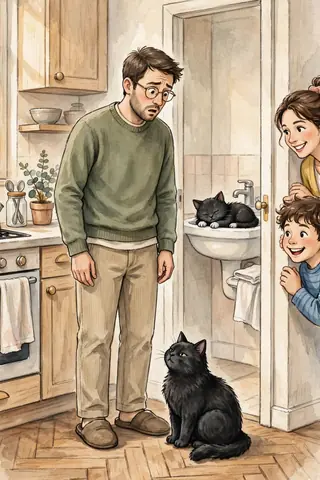
Con mèo thứ ba
The Third Cat
Truyện đơn giản · Vietnamese · 20 min
DuoText original - A2

Câu hỏi tôi chưa từng hỏi
The Question I Never Asked
Truyện đơn giản · Vietnamese · 15 min
DuoText original - A2

Người phụ nữ trên chuyến tàu
The Woman on the Train
Truyện đơn giản · Vietnamese · 10 min
DuoText original - A1

Chú vịt nhỏ
The Little Duck
Những câu chuyện đầu tiên · Vietnamese · 10 min
DuoText original - B1
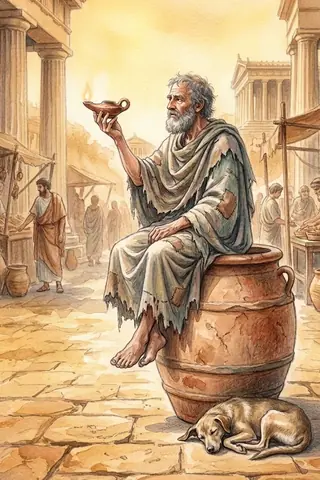
Diogenes xứ Sinope
Diogenes of Sinope
Triết gia cổ đại · Vietnamese · 20 min
DuoText original - B1
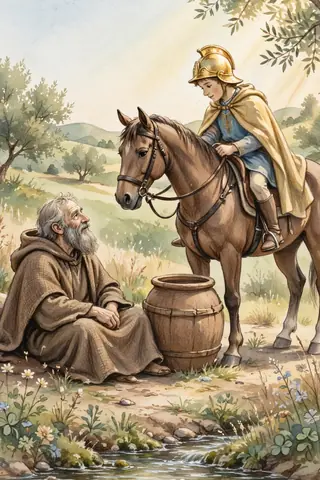
Hiền triết Diogenes
Diogenes the Wise Man
James Baldwin (1841–1925) · Vietnamese · 5 min
- C1

Thí nghiệm của Bác sĩ Heidegger
Dr. Heidegger’s Experiment
Nathaniel Hawthorne · Vietnamese · 30 min
- A2

Bác sĩ Jekyll và Ông Hyde
Dr Jekyll and Mr Hyde
Robert Louis Stevenson · retold · Vietnamese · 5 h
- A1
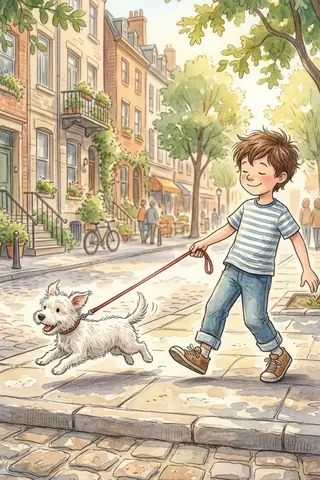
Một chú chó trong một tuần
A Dog for One Week
Những câu chuyện đầu tiên · Vietnamese · 10 min
DuoText original - A1

Một chiếc bánh cho mẹ
A Cake for Mum
Những câu chuyện đầu tiên · Vietnamese · 10 min
DuoText original - A1

Người tuyết cho bà
A Snowman for Grandma
Những câu chuyện đầu tiên · Vietnamese · 10 min
DuoText original - A2

Một đêm trong lều
A Night in the Tent
Truyện đơn giản · Vietnamese · 15 min
DuoText original - B1
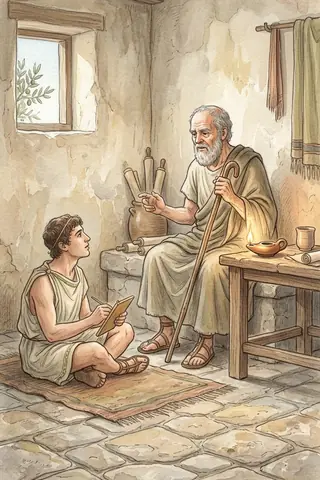
Epictetus, Người Được Tự Do
Epictetus the Freedman
Triết gia cổ đại · Vietnamese · 20 min
DuoText original - B1
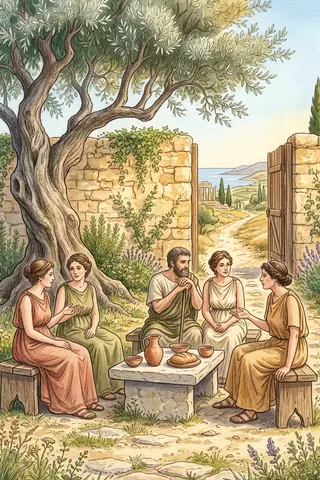
Epicurus xứ Samos
Epicurus of Samos
Triết gia cổ đại · Vietnamese · 20 min
DuoText original - A2
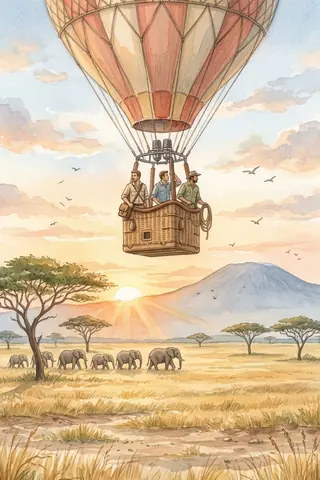
Năm tuần trên khinh khí cầu
Five Weeks in a Balloon
Jules Verne · retold · Vietnamese · 11 h 30 min
- B1
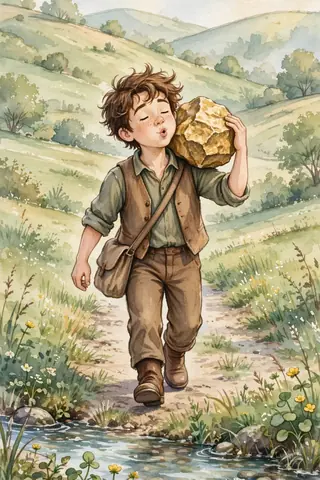
Hans May Mắn
Hans in Luck
Brothers Grimm · Vietnamese · 25 min
- B1

Hansel và Gretel
Hansel and Gretel
Brothers Grimm · Vietnamese · 30 min
- B1

Trái tim và Đôi tay
Hearts and Hands
O. Henry · Vietnamese · 10 min
- B1
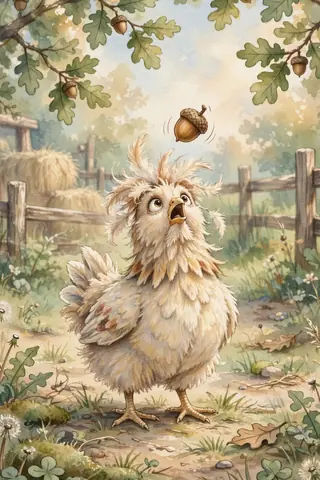
Henny-Penny
Joseph Jacobs · Vietnamese · 5 min
- B1

Heraclitus xứ Ephesus
Heraclitus of Ephesus
Triết gia cổ đại · Vietnamese · 20 min
DuoText original - A1

Hoppel không thể ngủ
Hoppel Can’t Sleep
Những câu chuyện đầu tiên · Vietnamese · 5 min
DuoText original - A1

Hoppel và tuyết đầu mùa
Hoppel and the First Snow
Những câu chuyện đầu tiên · Vietnamese · 10 min
DuoText original - B1

Horatius tại cây cầu
Horatius at the Bridge
James Baldwin (1841–1925) · Vietnamese · 10 min
- B1
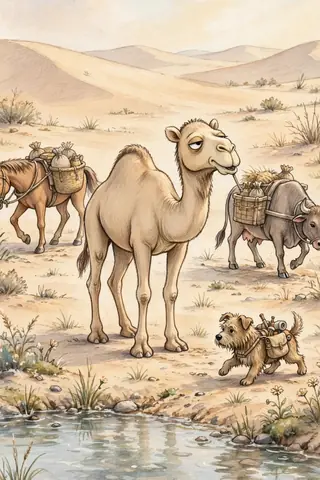
Lạc đà đã có bướu như thế nào
How the Camel Got His Hump
Rudyard Kipling · Vietnamese · 10 min
- B1

Cá Voi Đã Có Cổ Họng Như Thế Nào
How the Whale Got His Throat
Rudyard Kipling · Vietnamese · 10 min
- B1
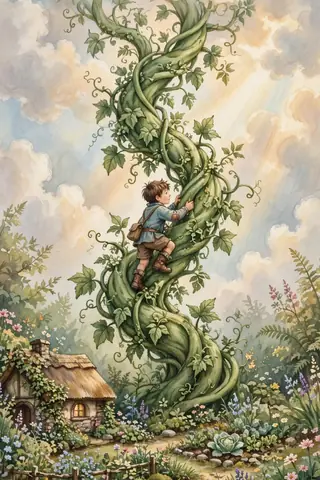
Jack và cây đậu thần
Jack and the Beanstalk
Joseph Jacobs · Vietnamese · 25 min
- B1
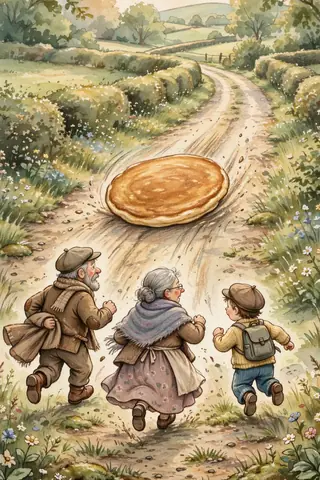
Bánh Johnny
Johnny-Cake
Joseph Jacobs · Vietnamese · 10 min
- A2
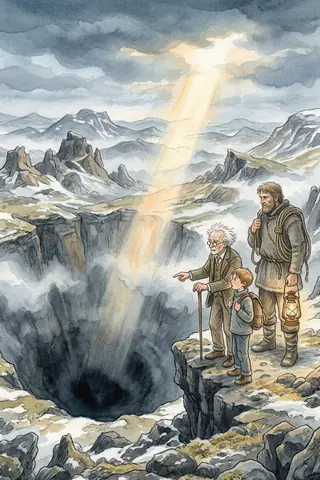
Hành trình vào tâm Trái Đất
Journey to the Centre of the Earth
Jules Verne · retold · Vietnamese · 10 h 45 min
- B1

Vua Alfred và những chiếc bánh
King Alfred and the Cakes
James Baldwin (1841–1925) · Vietnamese · 5 min
- B1
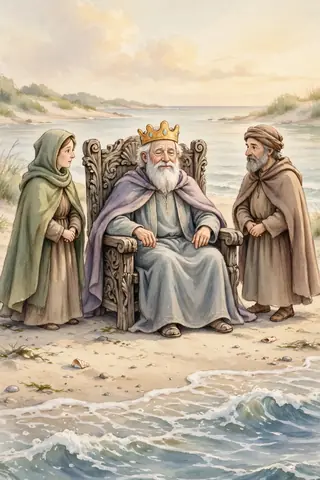
Vua Canute bên bờ biển
King Canute on the Seashore
James Baldwin (1841–1925) · Vietnamese · 5 min
- B1
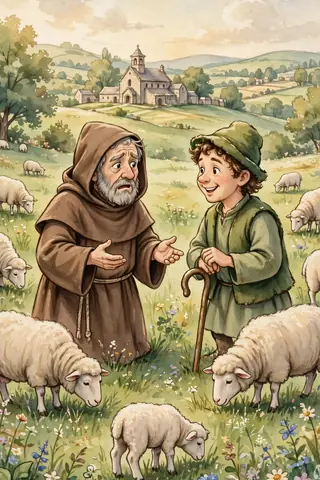
Vua John và Viện phụ
King John and the Abbot
James Baldwin (1841–1925) · Vietnamese · 15 min
- B1
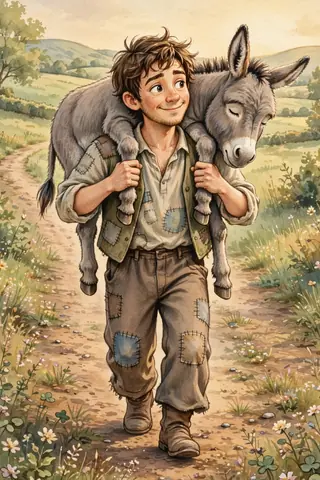
Jack Lười Biếng
Lazy Jack
Joseph Jacobs · Vietnamese · 5 min
- A2#1

Chiếc chìa khóa
The Key
Mùa hè ở Ngôi nhà Chanh · Episode 1 · Vietnamese · 20 min
DuoText original - A2#2

Bữa sáng cho ba người
Breakfast for Three
Mùa hè ở Ngôi nhà Chanh · Episode 2 · Vietnamese · 15 min
SubscribersDuoText original - A2#3

Marco
Mùa hè ở Ngôi nhà Chanh · Episode 3 · Vietnamese · 15 min
SubscribersDuoText original - A2#4

Cơn bão
The Storm
Mùa hè ở Ngôi nhà Chanh · Episode 4 · Vietnamese · 10 min
SubscribersDuoText original - A2#5

Bức tường nhà thờ
The Church Wall
Mùa hè ở Ngôi nhà Chanh · Episode 5 · Vietnamese · 10 min
SubscribersDuoText original - B1

Cô Bé Quàng Khăn Đỏ
Little Red-Cap
Brothers Grimm · Vietnamese · 15 min
- B2
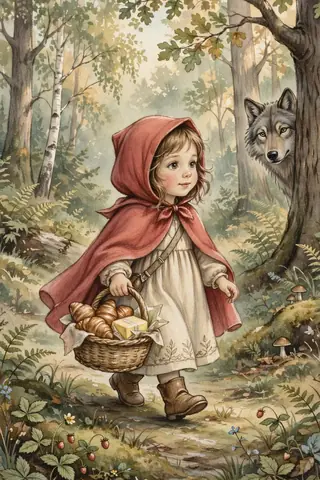
Cô bé Quàng khăn đỏ
Little Red Riding Hood
Charles Perrault · Vietnamese · 5 min
- B1
Marcus Aurelius
Triết gia cổ đại · Vietnamese · 20 min
DuoText original - A2

Michael Strogoff
Jules Verne · retold · Vietnamese · 10 h 45 min
- B2

Cô Brill
Miss Brill
Katherine Mansfield · Vietnamese · 20 min
- B1

Bà Holle
Mother Holle
Brothers Grimm · Vietnamese · 15 min
- B1

Không dành cho Jonas
Not for Jonas
Truyện đơn giản · Vietnamese · 25 min
DuoText original - B1

Chưa phải lúc
Not Yet
Truyện đơn giản · Vietnamese · 25 min
DuoText original - A2

Mảnh giấy nơi cầu thang
Notes in the Stairwell
Truyện đơn giản · Vietnamese · 30 min
DuoText original - A1

Bà học bơi
Grandma Learns to Swim
Những câu chuyện đầu tiên · Vietnamese · 10 min
DuoText original - A1

Ông và chiếc điện thoại
Grandpa and the Phone
Những câu chuyện đầu tiên · Vietnamese · 10 min
DuoText original - A1

Ông và chiếc kính mắt
Grandpa and the Glasses
Những câu chuyện đầu tiên · Vietnamese · 10 min
DuoText original - A2

Trang 47
Page 47
Truyện đơn giản · Vietnamese · 20 min
DuoText original - B1
Plato của thành Athens
Plato of Athens
Triết gia cổ đại · Vietnamese · 20 min
DuoText original - B2

Chú mèo đi hia
Puss in Boots
Charles Perrault · Vietnamese · 15 min
- B1
Pythagoras xứ Samos
Pythagoras of Samos
Triết gia cổ đại · Vietnamese · 20 min
DuoText original - B1

Rapunzel
Brothers Grimm · Vietnamese · 15 min
- B1

Phòng 13
Room 13
Truyện đơn giản · Vietnamese · 25 min
DuoText original - B1
Rumpelstiltskin
Brothers Grimm · Vietnamese · 10 min
- B1
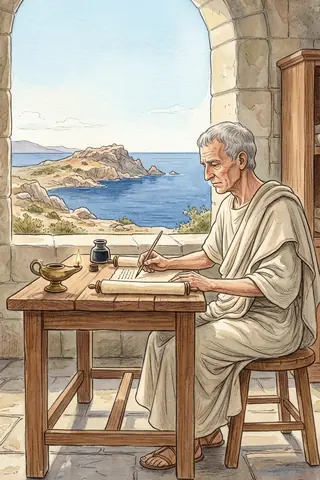
Seneca người La Mã
Seneca the Roman
Triết gia cổ đại · Vietnamese · 15 min
DuoText original - B1

Bạch Tuyết
Snowdrop
Brothers Grimm · Vietnamese · 25 min
- B1
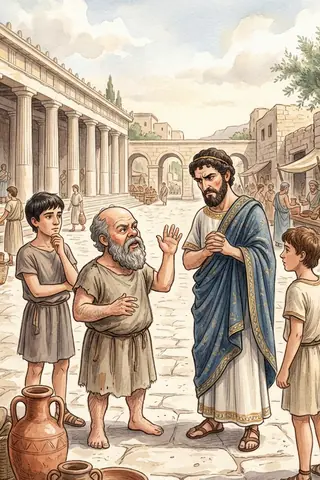
Socrates thành Athens
Socrates of Athens
Triết gia cổ đại · Vietnamese · 15 min
DuoText original - B2
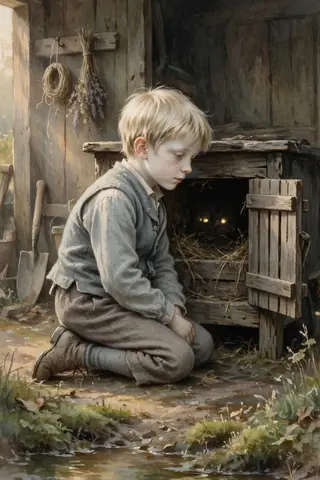
Sredni Vashtar
Saki · Vietnamese · 15 min
- B1

Bé Tí Teo
Teeny-Tiny
Joseph Jacobs · Vietnamese · 5 min
- B1
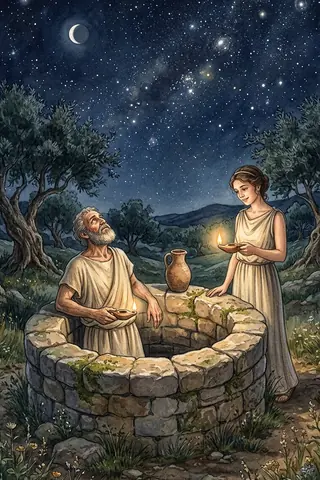
Thales thành Miletus
Thales of Miletus
Triết gia cổ đại · Vietnamese · 15 min
DuoText original - A2

Chú chó lúc 8 giờ 15
The 8:15 Dog
Truyện đơn giản · Vietnamese · 30 min
DuoText original - B1
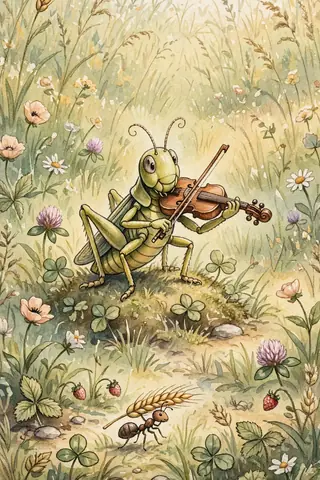
Kiến và Châu Chấu
The Ant and the Grasshopper
Aesop · Vietnamese · 5 min
- B1
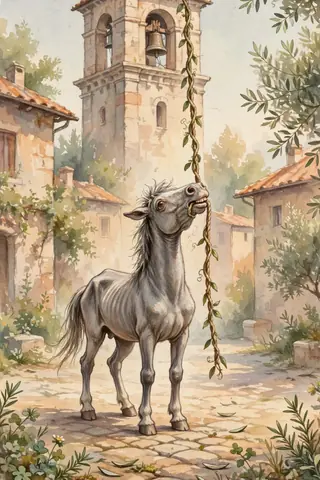
Chuông thành Atri
The Bell of Atri
James Baldwin (1841–1925) · Vietnamese · 15 min
- B2

Vụ cá cược
The Bet
Anton Chekhov · Vietnamese · 25 min
- C1
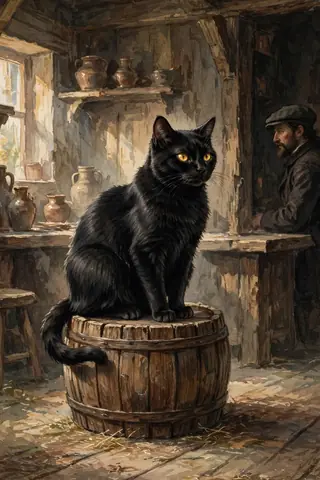
Con mèo đen
The Black Cat
Edgar Allan Poe · Vietnamese · 30 min
- B1
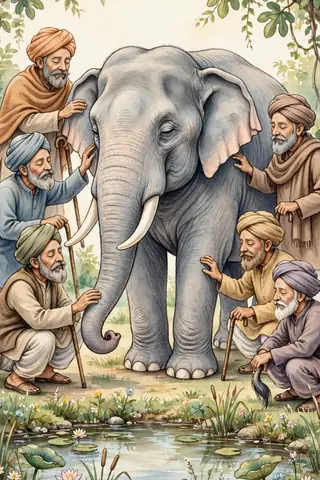
Những người mù và con voi
The Blind Men and the Elephant
James Baldwin (1841–1925) · Vietnamese · 5 min
- A2

Viên ngọc màu xanh
The Blue Carbuncle
Arthur Conan Doyle · retold · Vietnamese · 1 h 45 min
- B1

Cậu bé chăn cừu nói dối
The Boy Who Cried Wolf
Aesop · Vietnamese · 5 min
- B1

Ba Trăm Chiến Binh Dũng Cảm
The Brave Three Hundred
James Baldwin (1841–1925) · Vietnamese · 5 min
- B1
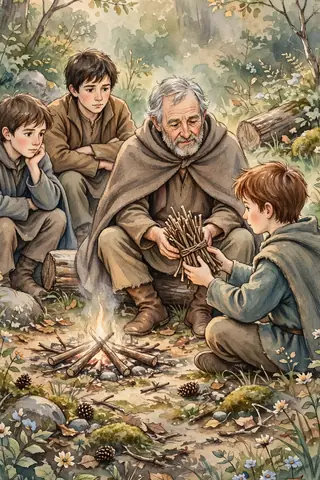
Bó đũa
The Bundle of Sticks
Aesop · Vietnamese · 5 min
- B1

Người bán hàng rong xứ Kabul
The Cabuliwallah
Rabindranath Tagore · Vietnamese · 35 min
- A2

Tiếng gọi nơi hoang dã
The Call of the Wild
Jack London · retold · Vietnamese · 5 h
- C1

Thùng rượu Amontillado
The Cask of Amontillado
Edgar Allan Poe · Vietnamese · 15 min
- B1

Chú mèo tự mình đi dạo
The Cat that Walked by Himself
Rudyard Kipling · Vietnamese · 40 min
- C2

Chú ếch nhảy trứ danh của hạt Calaveras
The Celebrated Jumping Frog of Calaveras County
Mark Twain · Vietnamese · 15 min
- B2

Viên cảnh sát và bài thánh ca
The Cop and the Anthem
O. Henry · Vietnamese · 20 min
- B1
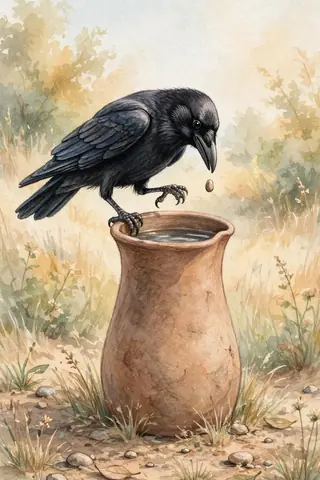
Con quạ và cái bình nước
The Crow and the Pitcher
Aesop · Vietnamese · 5 min
- B1

Người Bạn Tận Tụy
The Devoted Friend
Oscar Wilde · Vietnamese · 45 min
- B1

Chú chó và cái bóng của mình
The Dog and His Reflection
Aesop · Vietnamese · 5 min
- B1

Đứa Con của Voi
The Elephant’s Child
Rudyard Kipling · Vietnamese · 30 min
- B1
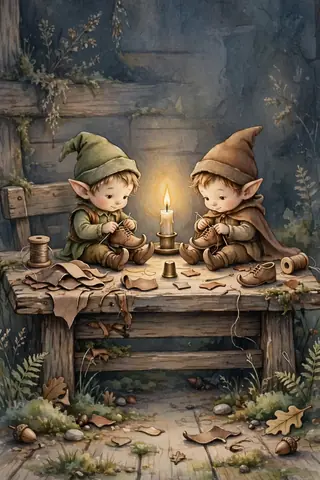
Những chú yêu tinh và bác thợ đóng giày
The Elves and the Shoemaker
Brothers Grimm · Vietnamese · 5 min
- B1
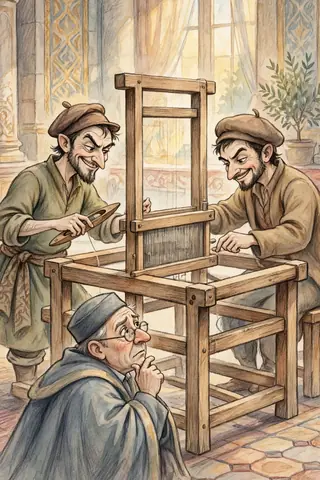
Bộ quần áo mới của hoàng đế
The Emperor’s New Clothes
Hans Christian Andersen · Vietnamese · 20 min
- B1
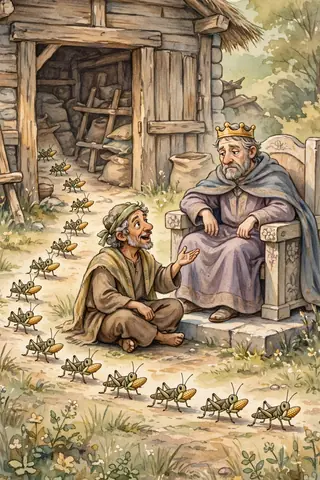
Câu chuyện không hồi kết
The Endless Tale
James Baldwin (1841–1925) · Vietnamese · 5 min
- B1
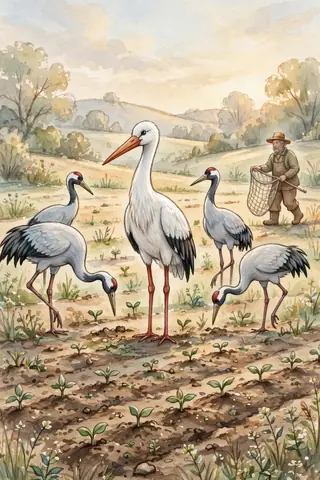
Bác nông dân và con cò
The Farmer and the Stork
Aesop · Vietnamese · 5 min
- B1

Ông lão đánh cá và người vợ
The Fisherman and His Wife
Brothers Grimm · Vietnamese · 20 min
- B1

Trận Đại hồng thủy
The Flood
James Baldwin (1841–1925) · Vietnamese · 10 min
- B1
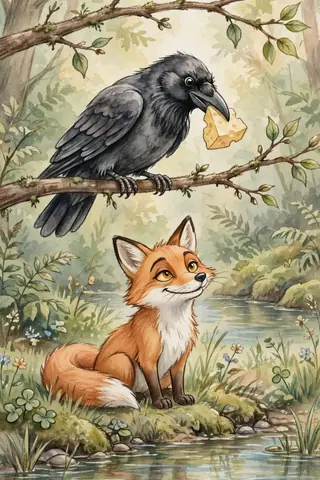
Cáo và Quạ
The Fox and the Crow
Aesop · Vietnamese · 5 min
- B1

Cáo và Chùm Nho
The Fox and the Grapes
Aesop · Vietnamese · 5 min
- B1
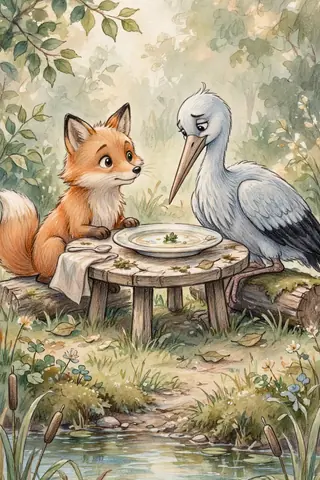
Cáo và Cò
The Fox and the Stork
Aesop · Vietnamese · 5 min
- B1

Hoàng tử Ếch
The Frog-Prince
Brothers Grimm · Vietnamese · 10 min
- B1
Những Chú Ếch Muốn Có Vua
The Frogs Who Wished for a King
Aesop · Vietnamese · 5 min
- B2

Món quà của các đạo sĩ
The Gift of the Magi
O. Henry · Vietnamese · 20 min
- B1
Con ngỗng vàng
The Golden Goose
Brothers Grimm · Vietnamese · 15 min
- B1

Con ngỗng và quả trứng vàng
The Goose and the Golden Egg
Aesop · Vietnamese · 5 min
- A2

Cánh cửa màu xanh lá
The Green Door
Truyện đơn giản · Vietnamese · 25 min
DuoText original - A2

Chiếc va li màu xám
The Grey Suitcase
Truyện đơn giản · Vietnamese · 35 min
DuoText original - B1

Hoàng tử Hạnh phúc
The Happy Prince
Oscar Wilde · Vietnamese · 35 min
- B1

Chú Thỏ rừng và đôi tai của mình
The Hare and His Ears
Aesop · Vietnamese · 5 min
- B1

Chuyện kể về Tom Thumb
The History of Tom Thumb
Joseph Jacobs · Vietnamese · 20 min
- A2

Con chó săn của dòng họ Baskerville
The Hound of the Baskervilles
Arthur Conan Doyle · retold · Vietnamese · 11 h 45 min
- B2

Kẻ xâm nhập
The Interlopers
Saki · Vietnamese · 20 min
- A2#5

Chiếc chìa khóa
The Key
Trò chuyện thường ngày · Episode 5 · Vietnamese · 15 min
DuoText original - B2
Nàng công chúa hay con hổ?
The Lady, or the Tiger?
Frank R. Stockton · Vietnamese · 25 min
- B2

Chiếc lá cuối cùng
The Last Leaf
O. Henry · Vietnamese · 20 min
- C1

Truyền thuyết thung lũng Sleepy Hollow
The Legend of Sleepy Hollow
Washington Irving · Vietnamese · 1 h 30 min
- B1
Sư Tử và Lừa
The Lion and the Ass
Aesop · Vietnamese · 5 min
- B1
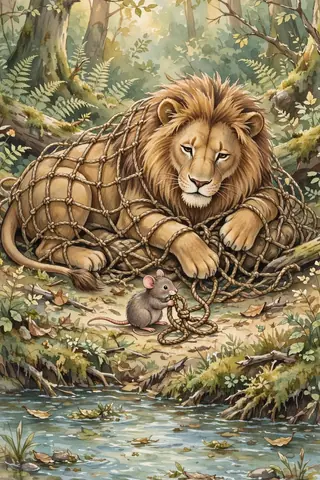
Sư tử và Chuột
The Lion and the Mouse
Aesop · Vietnamese · 5 min
- B1

Cô bé bán diêm
The Little Match Girl
Hans Christian Andersen · Vietnamese · 10 min
- B2
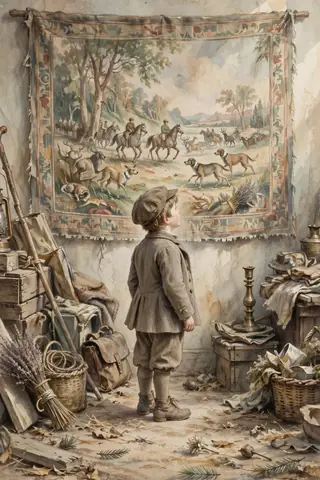
Căn phòng chứa đồ
The Lumber-Room
Saki · Vietnamese · 20 min
- B1

Cửa hàng phép thuật
The Magic Shop
H. G. Wells · Vietnamese · 45 min
- C1

Mặt nạ Thần Chết Đỏ
The Masque of the Red Death
Edgar Allan Poe · Vietnamese · 20 min
- B1

Cô gái vắt sữa và xô sữa của nàng
The Milkmaid and Her Pail
Aesop · Vietnamese · 5 min
- B2

Bàn tay khỉ
The Monkey’s Paw
W.W. Jacobs · Vietnamese · 35 min
- B2

Chiếc vòng cổ
The Necklace
Guy de Maupassant · Vietnamese · 25 min
- B1
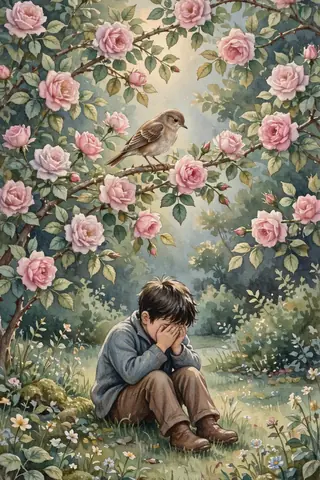
Chim Họa Mi và Hoa Hồng
The Nightingale and the Rose
Oscar Wilde · Vietnamese · 25 min
- A2#2
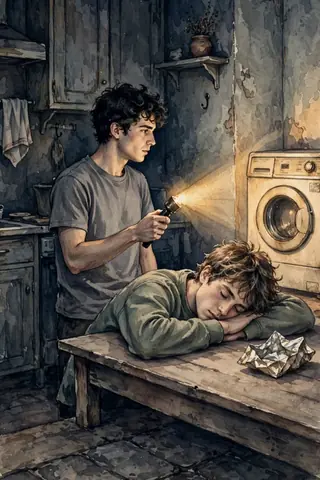
Tiếng động lúc nửa đêm
The Noise at Night
Trò chuyện thường ngày · Episode 2 · Vietnamese · 15 min
DuoText original - B1
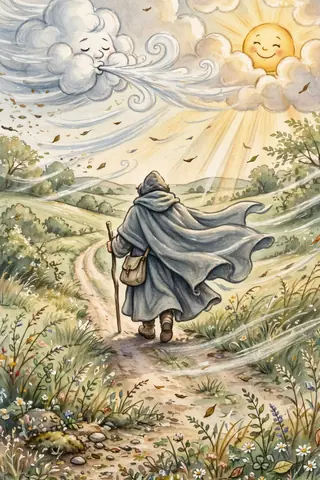
Gió Bắc và Mặt Trời
The North Wind and the Sun
Aesop · Vietnamese · 5 min
- B1
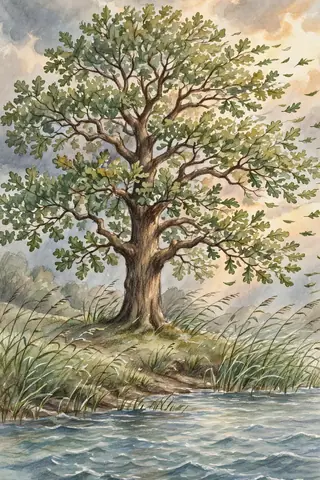
Cây sồi và những cây sậy
The Oak and the Reeds
Aesop · Vietnamese · 5 min
- B1
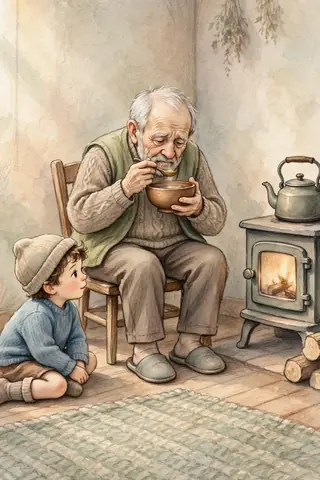
Ông lão và người cháu
The Old Man and His Grandson
Brothers Grimm · Vietnamese · 5 min
- B1
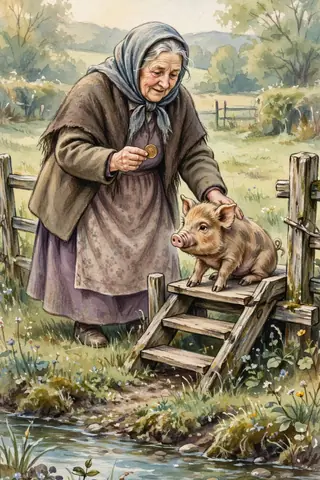
Bà lão và con lợn của bà
The Old Woman and Her Pig
Joseph Jacobs · Vietnamese · 10 min
- B2

Cánh Cửa Sổ Mở
The Open Window
Saki · Vietnamese · 10 min
- C1

Bức chân dung hình bầu dục
The Oval Portrait
Edgar Allan Poe · Vietnamese · 10 min
- B1

Người coi bưu điện
The Postmaster
Rabindranath Tagore · Vietnamese · 20 min
- B1

Nàng công chúa và hạt đậu
The Princess and the Pea
Hans Christian Andersen · Vietnamese · 5 min
- A2
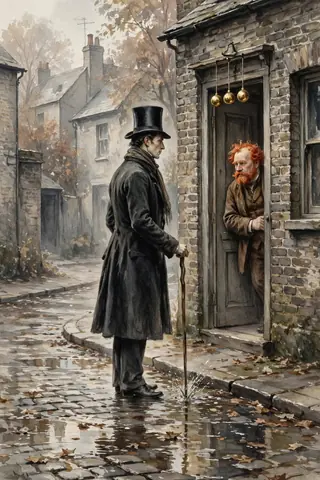
Hội Tóc Đỏ
The Red-Headed League
Arthur Conan Doyle · retold · Vietnamese · 1 h 45 min
- B2
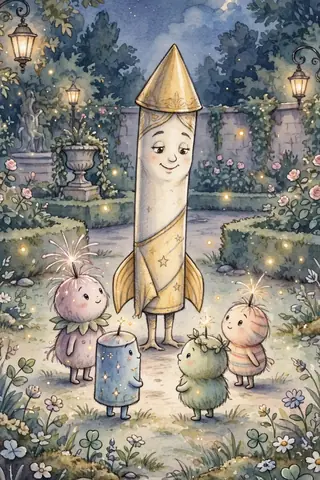
Cây Pháo thăng thiên Phi thường
The Remarkable Rocket
Oscar Wilde · Vietnamese · 40 min
- B2

Chuyện tình của một nhà môi giới bận rộn
The Romance of a Busy Broker
O. Henry · Vietnamese · 15 min
- B1
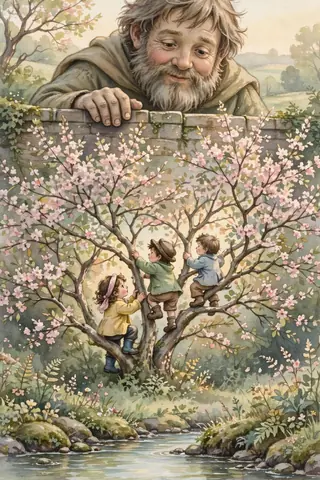
Người khổng lồ ích kỷ
The Selfish Giant
Oscar Wilde · Vietnamese · 15 min
- A2

Dấu bộ tứ
The Sign of the Four
Arthur Conan Doyle · retold · Vietnamese · 8 h 30 min
- C1
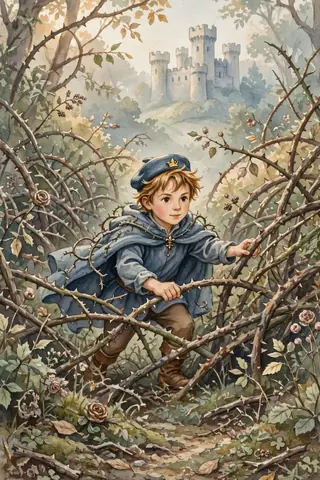
Người đẹp ngủ trong rừng
The Sleeping Beauty in the Wood
Charles Perrault · Vietnamese · 25 min
- A2
Dải băng đốm
The Speckled Band
Arthur Conan Doyle · retold · Vietnamese · 1 h 45 min
- B1
Chú lính chì dũng cảm
The Steadfast Tin Soldier
Hans Christian Andersen · Vietnamese · 20 min
- B2

Chuyện một giờ
The Story of an Hour
Kate Chopin · Vietnamese · 10 min
- B1
Câu chuyện về Io
The Story of Io
James Baldwin (1841–1925) · Vietnamese · 15 min
- B1

Chuyện về Prometheus
The Story of Prometheus
James Baldwin (1841–1925) · Vietnamese · 25 min
- B2

Chuyện về cậu bé ngoan
The Story of the Good Little Boy
Mark Twain · Vietnamese · 15 min
- B1

Chuyện ba chú gấu
The Story of the Three Bears
Joseph Jacobs · Vietnamese · 15 min
- B1

Chuyện ba chú heo con
The Story of the Three Little Pigs
Joseph Jacobs · Vietnamese · 10 min
- B1
Câu chuyện về William Tell
The Story of William Tell
James Baldwin (1841–1925) · Vietnamese · 5 min
- B2

Người kể chuyện
The Storyteller
Saki · Vietnamese · 15 min
- A2#4

Bữa tiệc bất ngờ
The Surprise Party
Trò chuyện thường ngày · Episode 4 · Vietnamese · 15 min
DuoText original - B1

Thanh gươm của Damocles
The Sword of Damocles
James Baldwin (1841–1925) · Vietnamese · 5 min
- B1
Chuyện Chú Thỏ Benjamin
The Tale of Benjamin Bunny
Beatrix Potter · Vietnamese · 10 min
- B1
Chuyện về Vịt Jemima Puddle-Duck
The Tale of Jemima Puddle-Duck
Beatrix Potter · Vietnamese · 15 min
- B1

Chuyện Thỏ Peter
The Tale of Peter Rabbit
Beatrix Potter · Vietnamese · 10 min
- B1
Chuyện Chú Sóc Nutkin
The Tale of Squirrel Nutkin
Beatrix Potter · Vietnamese · 15 min
- B1
Chuyện hai chú chuột hư
The Tale of Two Bad Mice
Beatrix Potter · Vietnamese · 10 min
- A2
Trái tim mách bảo
The Tell-Tale Heart
Edgar Allan Poe · retold · Vietnamese · 25 min
- C1

Trái tim mách bảo
The Tell-Tale Heart
Edgar Allan Poe · Vietnamese · 15 min
- B2

Giông tố (Chuyện kể từ Shakespeare)
The Tempest (Tales from Shakespeare)
Charles and Mary Lamb · Vietnamese · 35 min
- B1
Ba kẻ ngốc
The Three Sillies
Joseph Jacobs · Vietnamese · 10 min
- A2

Cỗ Máy Thời Gian
The Time Machine
H. G. Wells · retold · Vietnamese · 5 h 15 min
- B1
Rùa và Thỏ
The Tortoise and the Hare
Aesop · Vietnamese · 5 min
- B1
Chuột Thành Phố và Chuột Nông Thôn
The Town Mouse and the Country Mouse
Aesop · Vietnamese · 5 min
- B1
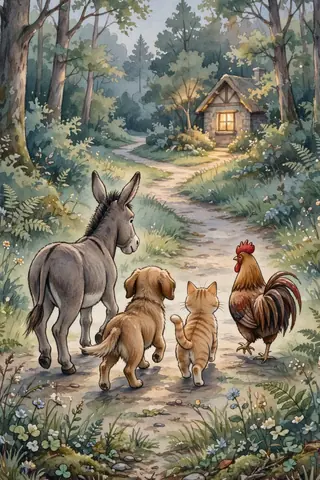
Những nhạc sĩ rong
The Travelling Musicians
Brothers Grimm · Vietnamese · 15 min
- B1
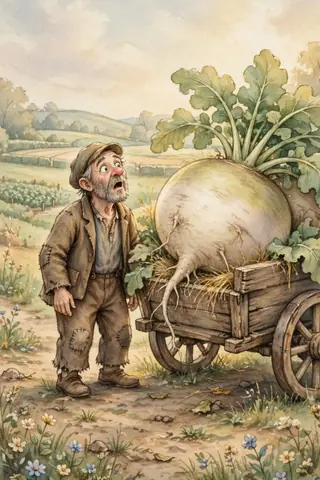
Củ cải
The Turnip
Brothers Grimm · Vietnamese · 10 min
- B1
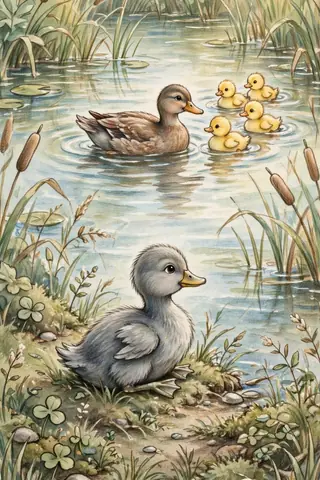
Vịt con xấu xí
The Ugly Duckling
Hans Christian Andersen · Vietnamese · 40 min
- B1

Chú thỏ nhung
The Velveteen Rabbit
Margery Williams · Vietnamese · 40 min
- B1

Con tàu Trắng
The White Ship
James Baldwin (1841–1925) · Vietnamese · 10 min
- B1

Chó Sói và Chim Sếu
The Wolf and the Crane
Aesop · Vietnamese · 5 min
- B1
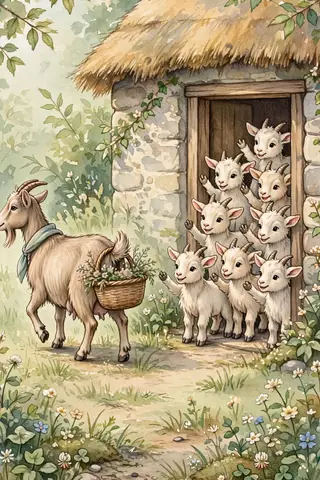
Chó sói và bảy chú dê con
The Wolf and the Seven Little Kids
Brothers Grimm · Vietnamese · 10 min
- B1
Chó Sói Đội Lốt Cừu
The Wolf in Sheep’s Clothing
Aesop · Vietnamese · 5 min
- B1

Người thợ tài ba
The Wonderful Artisan
James Baldwin (1841–1925) · Vietnamese · 20 min
- B1

Người thợ dệt tuyệt vời
The Wonderful Weaver
James Baldwin (1841–1925) · Vietnamese · 10 min
- A2#1

Bưu Kiện Nhầm Lẫn
The Wrong Parcel
Trò chuyện thường ngày · Episode 1 · Vietnamese · 15 min
DuoText original - C1

Bức hoàng hoa
The Yellow Wallpaper
Charlotte Perkins Gilman · Vietnamese · 50 min
- B1
Ba người đàn ông làng Gotham
Three Men of Gotham
James Baldwin (1841–1925) · Vietnamese · 5 min
- B1
Ba câu hỏi
Three Questions
Leo Tolstoy · Vietnamese · 15 min
- B1

Thumbelina
Hans Christian Andersen · Vietnamese · 45 min
- B1

Kiên nhẫn theo con nước
Tidewait
Truyện đơn giản · Vietnamese · 25 min
DuoText original - B1
Chuột Titty và Chuột Tatty
Titty Mouse and Tatty Mouse
Joseph Jacobs · Vietnamese · 10 min
- A2

Nhóm lửa
To Build a Fire
Jack London · retold · Vietnamese · 1 h 15 min
- C1
Tobermory
Saki · Vietnamese · 20 min
- B1
Tom Tit Tot
Joseph Jacobs · Vietnamese · 15 min
- B1

Tin nhắn của ngày mai
Tomorrow’s Message
Truyện đơn giản · Vietnamese · 25 min
DuoText original - A2

Đảo Giấu Vàng
Treasure Island
Robert Louis Stevenson · retold · Vietnamese · 12 h 30 min
- A2
Hai vạn dặm dưới đáy biển
Twenty Thousand Leagues Under the Sea
Jules Verne · retold · Vietnamese · 12 h
- B1

Vanka
Anton Chekhov · Vietnamese · 20 min
- A1

Bốn chú mèo con
Four Little Kittens
Những câu chuyện đầu tiên · Vietnamese · 10 min
DuoText original - A1
Ai ăn những quả dâu tây?
Who Is Eating the Strawberries?
Những câu chuyện đầu tiên · Vietnamese · 10 min
DuoText original - B1

Whittington và chú mèo của cậu
Whittington and His Cat
Joseph Jacobs · Vietnamese · 35 min
- A1

Mimi ở đâu?
Where Is Mimi?
Những câu chuyện đầu tiên · Vietnamese · 10 min
DuoText original - A2

Quay lại hai phút
Two Minutes Back
Truyện đơn giản · Vietnamese · 15 min
DuoText original
Free graded readers in Vietnamese
Every story here carries its level on the Common European Framework, from A1 for beginners to C1 and beyond, so the library works as a set of free Vietnamese graded readers: start at the level where you understand most of a page, and move up when the English beside it is something you check only now and then.
Want a book that isn’t here? Make your own Vietnamese–English parallel text from any EPUB or PDF: free preview, and 50 free pages when you sign up.
Reading Vietnamese with English alongside
Vietnamese is written in the Latin alphabet, so you can start reading from the first day. Its words do not change their endings: no conjugations, no plurals, no cases. Time and number come from small words such as đã (already, for the past) and sẽ (will), which makes sentences easier to take apart than they first look.
What takes time is the tones and the marks that show them: ma, má, mà, mả, mã and mạ are six different words. With the English beside each paragraph, you can follow the story while the marks and the words they make become familiar.
Reading English books with Vietnamese alongside
For Vietnamese speakers, a parallel text is a way into books in English without stopping at every idiom or phrasal verb. Read the English and look across to the Vietnamese when a sentence doesn’t land.
It works for families abroad too: one book, two languages on the same page, so children growing up with English can keep reading Vietnamese with their parents and grandparents.
213 English stories in the library have Vietnamese alongside: Học tiếng Anh qua truyện ngắn.
Where a parallel text helps most in Vietnamese
Tone marks change the word
Every syllable carries one of six tones, and the marks are part of the spelling: bàn is a table, bán is to sell, bạn is a friend. Reading with the English beside it shows which word you are looking at.
Pronouns that tell you who is speaking
Instead of one word for “I” and “you”, Vietnamese uses family words: a child says con to a parent, a younger person em to an older one, anh or chị for an older brother or sister. The translation shows who is talking to whom.
Words built from syllables
Most words are one syllable or two written apart: học sinh (student) is học (to study) and sinh (to be born, life). A space does not always mean a new word, and the English shows where one ends.
Vietnamese classics to read in parallel
Long out of copyright and easy to find as EPUBs. Any of them makes a good first Vietnamese–English parallel text:
- Truyện Kiều, Nguyễn Du
- Lục Vân Tiên, Nguyễn Đình Chiểu
- Số đỏ, Vũ Trọng Phụng
- Tắt đèn, Ngô Tất Tố
Or use a book you already own: the method works best with something you actually want to read. See how to read a parallel text to get the most from it.
Questions about Vietnamese–English stories
Where can I read Vietnamese stories with English side by side for free?
Right here: 213 Vietnamese–English stories open in the browser with no account, the English beside every paragraph, from A1 to C2.
What is a Vietnamese–English parallel text?
A Vietnamese text placed beside its English translation, paragraph by paragraph, so you can read in one language and glance across to the other whenever you need to.
Which Vietnamese story should I start with?
Pick the level where you understand most of a page: the beginner stories use short sentences and common words, and the levels above them add longer sentences and richer vocabulary. Each story shows its level on the Common European Framework.
Can I read Vietnamese–English stories on a Kindle or Kobo?
Yes. Every story is also a bilingual ebook; downloading needs a free account, no payment.